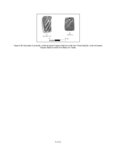
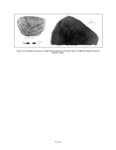
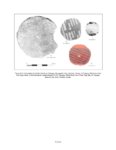
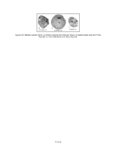
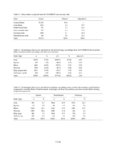
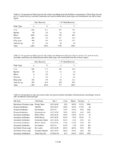
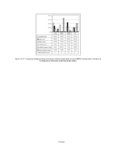
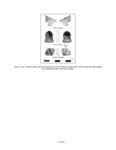
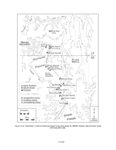
| OCR Text |
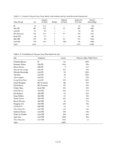
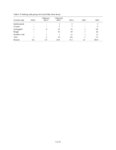
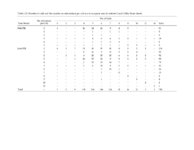
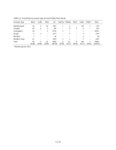
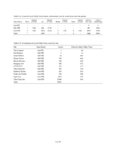
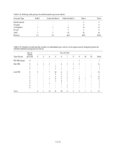
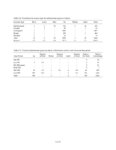
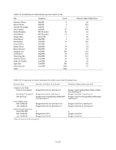
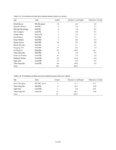
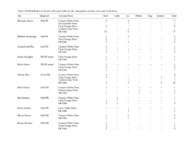
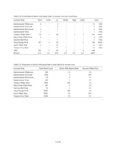
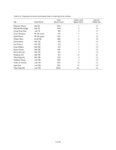
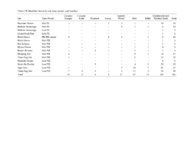
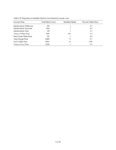
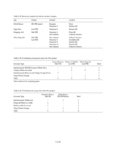
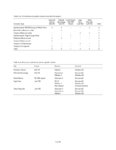
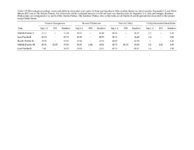
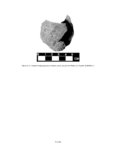
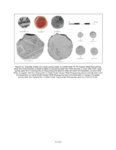
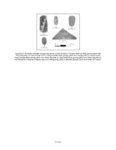
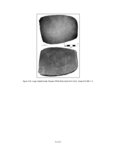
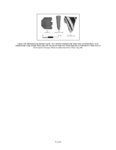
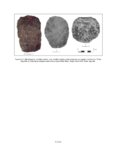
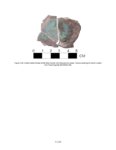
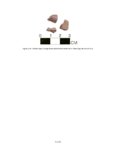
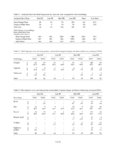
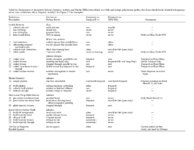
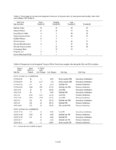
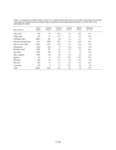
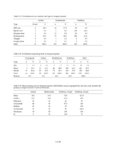
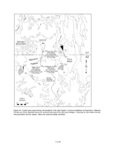
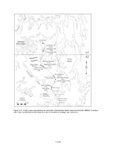
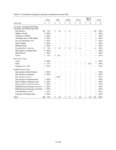
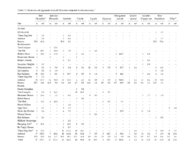
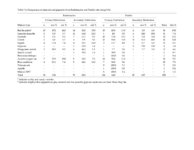
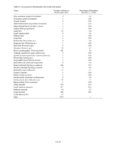
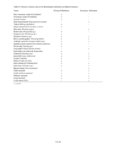
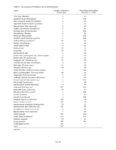
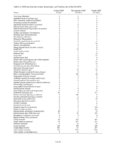
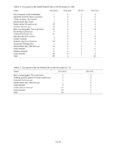
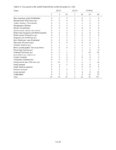
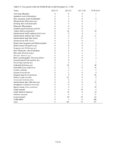
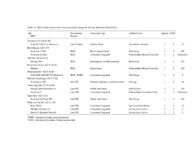
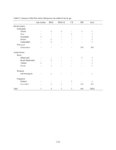
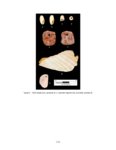
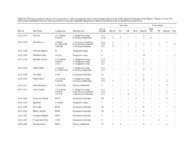
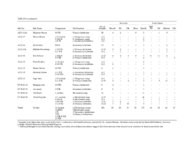
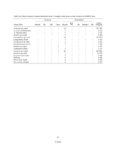
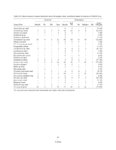
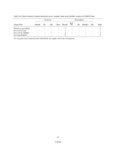
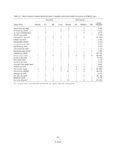
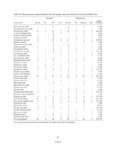
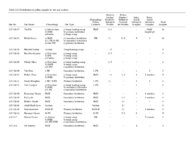
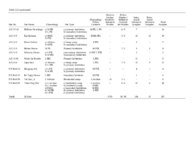
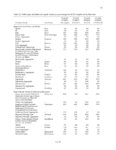
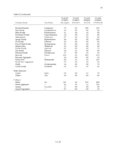
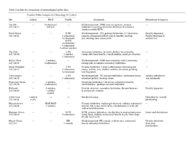
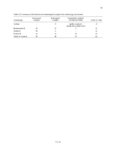
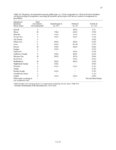
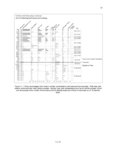
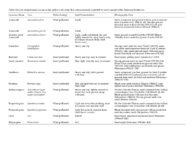
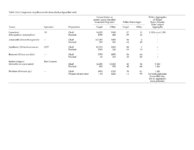
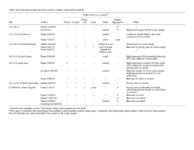
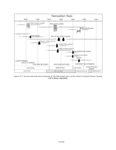
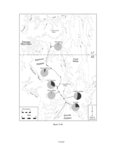
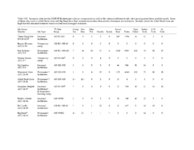
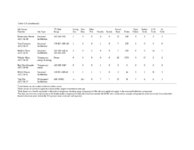
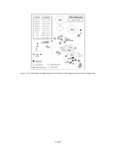
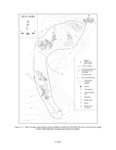
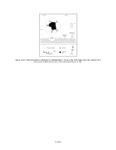
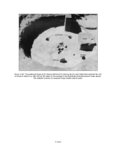
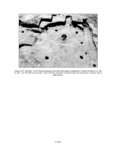
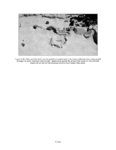
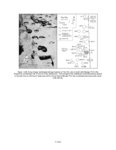
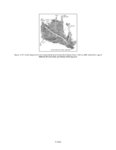
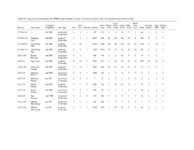
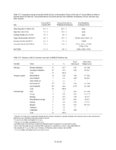
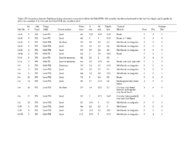
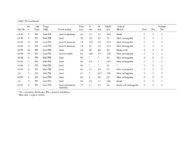
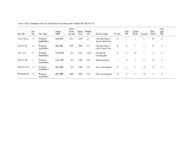
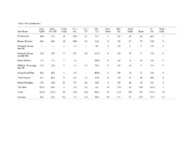
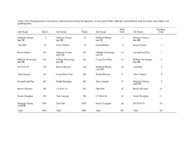
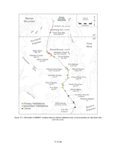
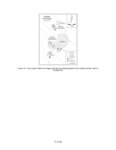
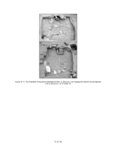
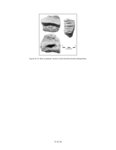
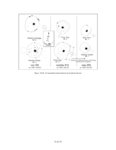
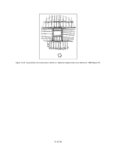
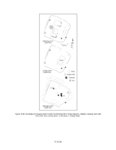
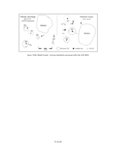
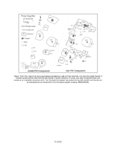
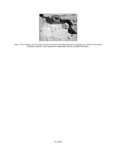
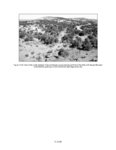
Show historic field areas, this might be stacking the deck against areas like the divide considered here. We may have a poor notion of how Anasazi farmers rated areas as to agricultural potential. Scattered pockets of deep dune sand on the divide might have afforded small but important microniches for deep sand dry farming, similar to the falling dune field locations ethnographically documented for the Hopi (e.g., Hack 1942:26-32). The generally east-facing falling dunes along the prominent ridge line of the site area could have provided settings quite different from those elsewhere, providing an opportunity to diversify food production. Such a planting strategy would have buffered against crop failure in one field setting. If Pueblo II farmers planted in scattered parcels of deep dune sand around Naaki Hooghan as a means to diversify their field locations then what might be the evidence that would help confirm such an inference? Domesticates were found in analyzed flotation samples, but these could have been brought in from elsewhere, especially since the remains consisted of maize cob portions and kernels, with no shanks, husks, stalks, or roots. Only a single pollen sample contained maize pollen, and this represented by a grain. We would expect maize pollen to be represented at field houses because of direct contact with tasseling plants during the growing season and the likely stripping and discard of leaves and husks from corn ears at harvest time to enable drying (see discussion of experimental maize pollen washes in Chapter 12 of Volume V). The single grain from a single provenience thus seems inadequate evidence. The presence of squash pollen, including aggregates, is a better indication that crops were grown in close proximity to the site. Other plant remains found at the site included plants most likely obtained from agricultural fields and other humanly disturbed habitats, as well as wild plants such as prickly pear and pinyon. Pinyon nut harvesting is a possible additional reason for occupation at Naaki Hooghan, since the site area is forested, but locations with denser pinyon stands would seem to offer better potential in this regard. Nineteen features were excavated at The Slots: 16 small, shallow basin hearths, a large slab-lined hearth, a small midden, and a small pit structure (see Figure 15.38). The 16 basin hearths, all clustered together, were each probably used just once, but the slab-lined hearth appears to have been used on numerous occasions and repeated cleaning could account for the abundant charcoal and burned rock in the midden. The semi-subterranean structure provided just over 3 sq m of floor area, without a hearth or other features. The informal nature of the structure, with just a log and brush superstructure and no interior hearth, suggests that the dwelling, and the site as a whole, was occupied during the warm months of the year. That a structure was built at all, however, indicates that the occupants planned on using the site for longer than one brief episode. More than transitory use is also indicated by the presence of a trash midden and the number and density of small basin hearths. The very practice of moving debris from living and activity space to a dump area implies some degree of occupation longevity (e.g., Graham 1994; various papers in Kent 1987). The artifact assemblage is distinctive for its low quantity of sherds and comparatively high frequency and diversity of stone artifacts. Sherds were few in number, significantly lower than most other secondary habitations (see Table 15.13), and evidently derived from just four vessels. The portions of these vessels were so small as to raise doubts about whether whole pots were ever present at the site; instead, jar fragments may have been brought in for use as plates or other utensils. In contrast, stone artifacts were comparatively numerous, including the highest count of debitage, flaked facial tools, and cores/nodular tools of any of the secondary habitations. Grinding tools were comparatively scarce but miscellaneous stone artifacts were common, including a few unusual items such as fragments of two cloud blowers made of scoria (a nonlocal raw material) and a pendant of limestone. Subsistence remains consisted of maize (fragmentary cobs and kernels), seeds from weedy annuals (especially goosefoot), and a modest amount of small mammal bone (rabbits and hares), much of it burned. Though seemingly low, the count of bone (n = 133) exceeds the amount recovered from three of the NMRAP primary habitations and the count per structure exceeds that at all but one of the primary habitations (Three Dog Site with 228). Despite the presence of corn cobs and kernels there was a lack of artifacts associated with intensive maize processing and consumption, specifically the scarcity of ceramics, near absence of grinding tools including a lack of two-hand manos and trough metates, and absence of mealing bins or mealing areas. The general site setting seems poorly suited for agriculture, so perhaps the recovered maize was brought to the site. An absence of shanks and husks and maize pollen perhaps supports this notion, suggesting that the site was not related to tending fields. Tres Campos lay nearby The Slots and seemed functionally similar in that it had an informal structure lacking a hearth, an exterior slab-lined hearth, abundant evidence of fire use, an unusual assemblage of stone artifacts, and carbonized plant remains including maize. One major difference was the greater abundance of pottery at Tres Campos, but the artifact assemblage was still distinctive because of its comparatively high frequency and diversity of stone artifacts. The most unusual find was yet another pipe made of exotic black scoria. This specimen was a recycled fragment of a once larger artifact V.15.46 |