| OCR Text |
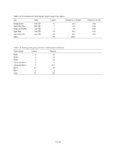
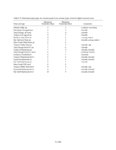
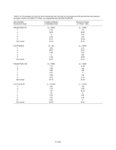
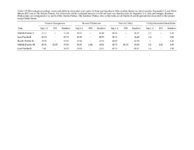
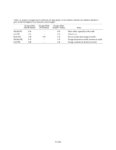
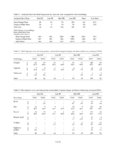
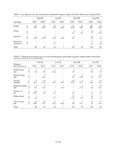
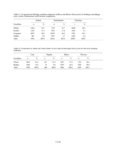
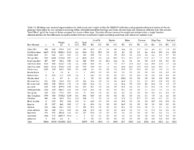
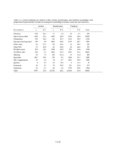
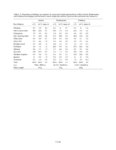
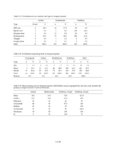
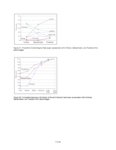
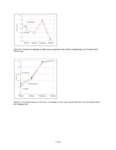
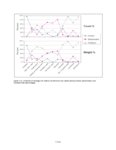
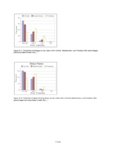
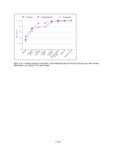
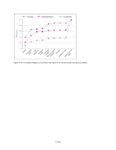
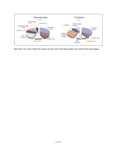
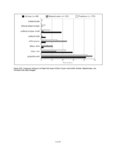
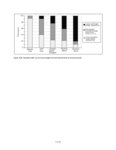
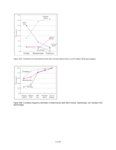
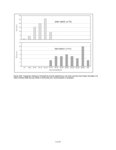
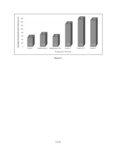
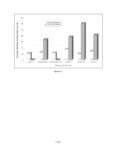
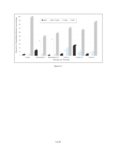
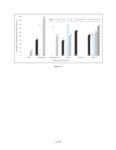
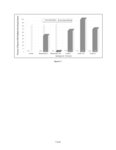
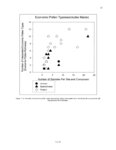
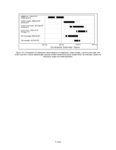
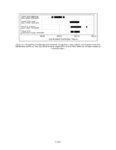
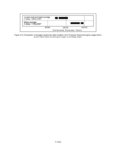
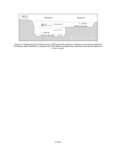
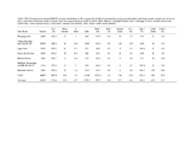
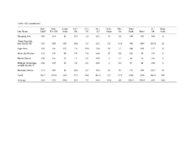
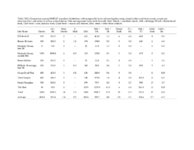
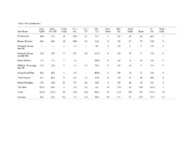
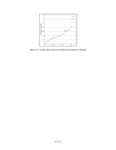
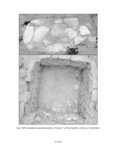
Show grinding and cooking are not linked to sex, or even to age (Bruhns 1991:421-423). The fact that cultures change over time makes it a real possibility that the historical sexual division of labor recorded ethnographically for Puebloan groups was different or did not exist prehistorically. In addition, unless we know the specific task(s) a tool was used for it is extremely difficult to validly link a tool to genderspecific activities. Distributions of food-grinding tools and the loci of gender-linked activities were also analyzed. Evidence from Archaic sites was sparse and inconclusive, but during Basketmaker times it seems that each household controlled its own food-processing equipment and storage facilities. Many tasks undertaken by females-such as daily food grinding-were done within each household in the confines of a family's pit house. By the Pueblo II period separate communal structures had developed that housed many gender-specific activities. There were specialized processing facilities in the form of mealing rooms and mealing bins in public spaces and multipurpose rooms that probably were used by more than a single household. It is likely that many households continued to retain possession of some tools such as manos, however most food grinding seems to have taken place in communal settings within established mealing facilities such as the grinding bins in mealing rooms and elsewhere. These areas should be viewed as locations of suprahousehold mealing activities (Perkins 2000). Mealing rooms were the focus of female-related activities and kivas were associated mainly with male ones. It seems likely that to one degree or another both structure types were the focus of both religious and economic tasks. Addressing the questions presented in this section has perhaps provided a more complete understanding of the social organization of the people living at the N16 sites and of the social context in which grinding tools were produced and used. SUMMARY AND CONCLUSIONS Both the grinding tool assemblage and the miscellaneous groundstone artifact assemblage from the N16 project provide a fair amount of information regarding prehistoric economic specialization and social differentiation. Although many of the conclusions based on this information are not new, the data and analysis provide further insight into many areas of behavior. Three areas-the transition to agriculture, subsistence specialization, and craft production and exchange-were examined to address the topic of economic specialization. Two additional areas of study-social organization and the role of gender in technology and exchange-were investigated to provide information about social differentiation. The transition to agriculture and the growing importance of agricultural goods in the prehistoric diet were observable in the food-grinding tool assemblages from N16. Comparison of the relative abundance of different morphological tool types showed an increase over time in tools commonly associated with maize grinding. Within the food-grinding assemblage, the percentage of one-hand manos decreased over time as the percentage of two-hand manos increased. Two-hand manos first appeared in the N16 assemblages during the Basketmaker II period, and by Pueblo II times they were more common than onehand types. The earliest "true" trough metate dated to the Pueblo I period, although basin-troughs appeared during the Basketmaker II period. Changes in mano grinding surface area and the number of use-surfaces on manos might respectively reflect increased grinding efficiency and grinding intensity. Trends among these two measures paralleled each other very closely, indicating that reliance on ground food fluctuated but generally increased until Pueblo III times. Hard (1990) found a correlation between mean mano length and a group's degree of reliance on agricultural goods. The average length of whole and reconstructible manos was compared to his tentative index of agricultural dependence. The result indicated that dependence on agricultural goods at the N16 sites was not very high until the Pueblo II-III period, whence it remained high into Pueblo III. Several lines of evidence indicated increased formalization of the mano and metate tool kit and increased specialization toward maize processing in the later N16 Puebloan assemblages. These included the presence of mealing bins at Pueblo II and later sites, an increase in the types of possible foodprocessing tools during the Pueblo III period, a larger array of stone grain sizes (mostly coarser), and a wider variety of vesicular materials being used during the Pueblo III period than at any time before. These change might be the result of increased reliance on maize, which required using coarser grinding textures (i.e., larger grains sizes and increased vesicularity). As a whole, the rise in mano and metate grinding efficiency, the indications of growing grinding intensity, and the increasing formalization of the food-processing tool kit all point toward increased use of domesticates over time. By the Pueblo III period the inhabitants of the N16 sites had an economy that was heavily dependent on agriculture and the use of maize. V.6.40 |