| OCR Text |
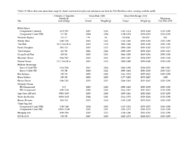
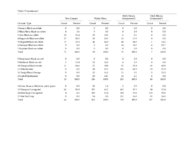
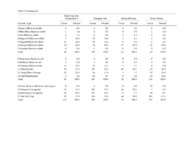
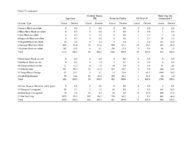
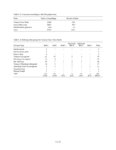
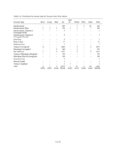
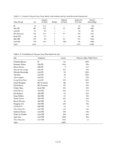
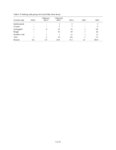
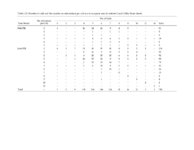
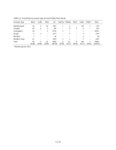
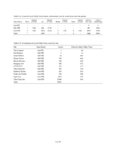
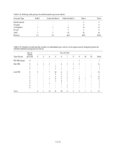
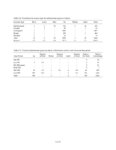
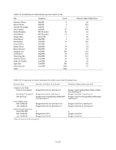
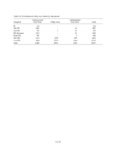
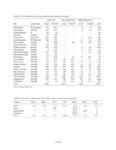
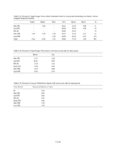
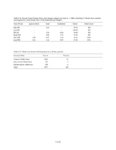
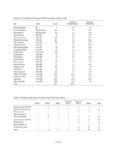
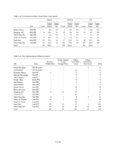
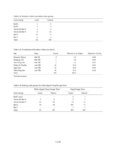
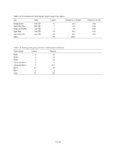
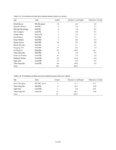
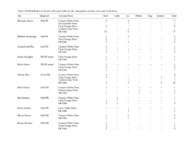
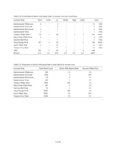
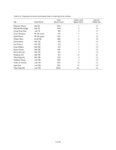
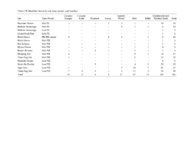
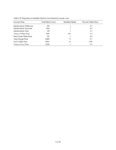
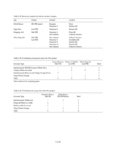
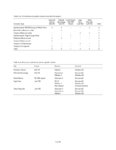
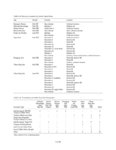
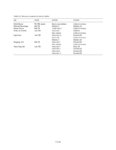
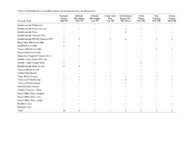
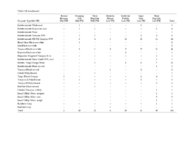
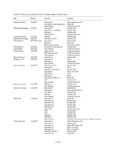
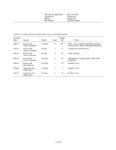
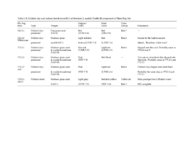
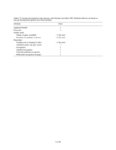
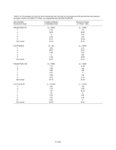
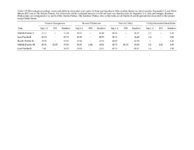
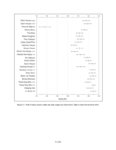
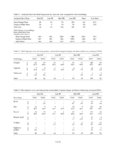
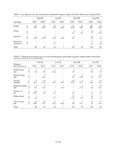
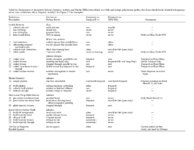
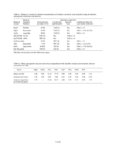
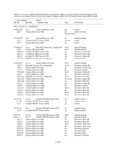
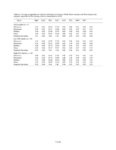
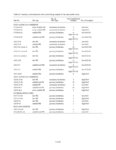
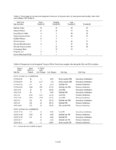
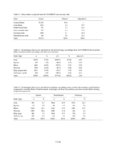
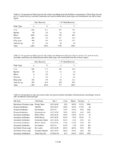
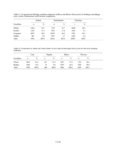
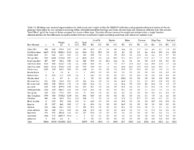
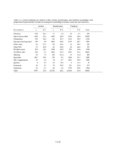
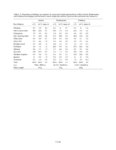
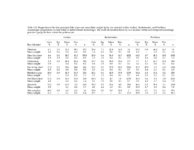
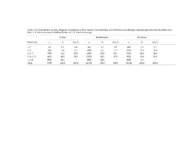
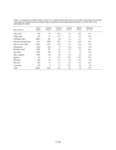
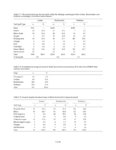
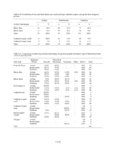
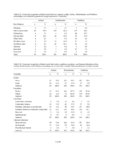
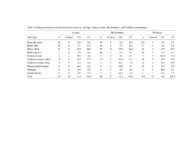
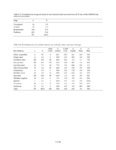
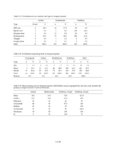
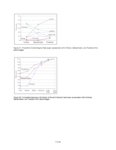
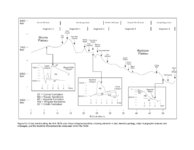
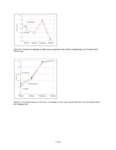
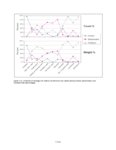
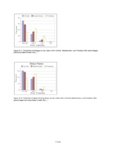
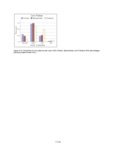
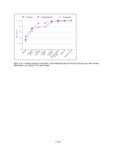
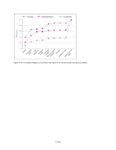
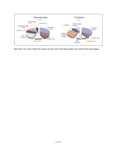
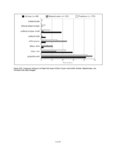
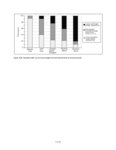
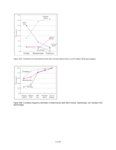
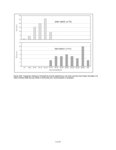
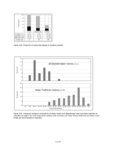
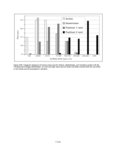
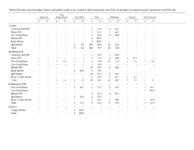
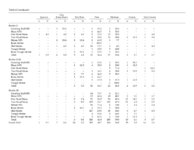
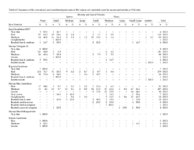
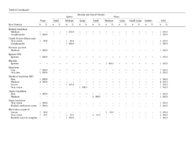
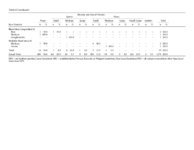
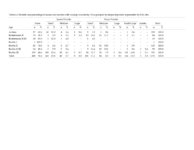
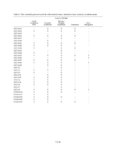
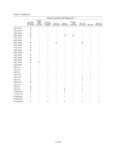
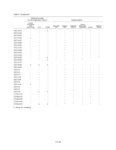
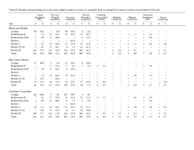
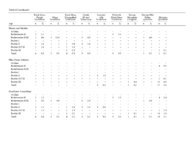
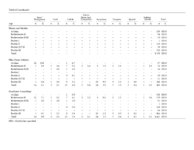
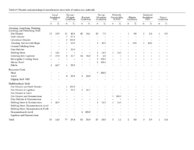
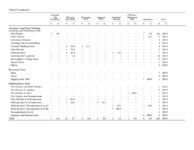
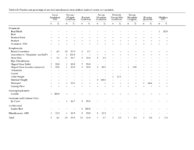
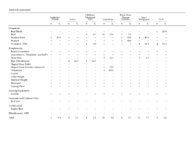
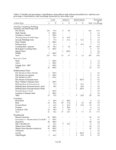
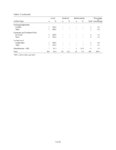
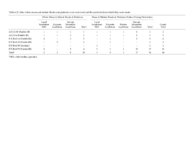
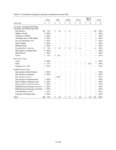
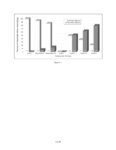
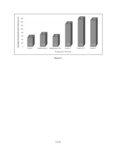
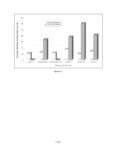
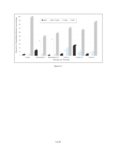
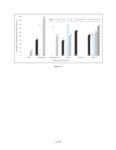
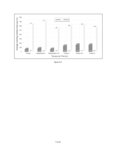
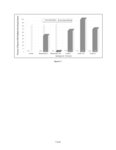
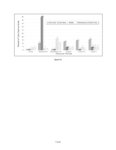
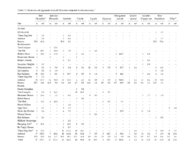
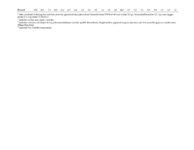
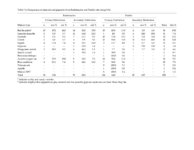
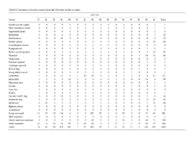
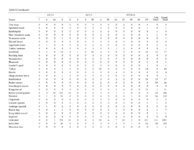
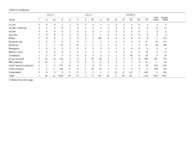
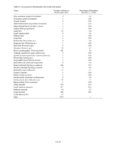
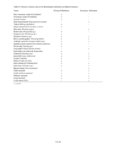
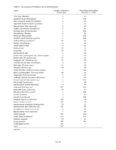
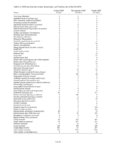
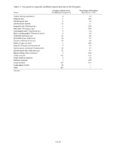
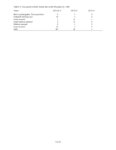
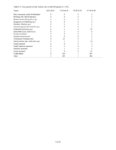
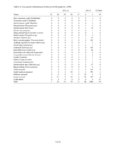
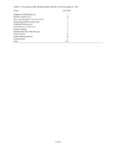
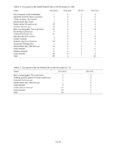
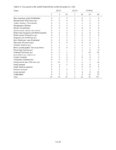
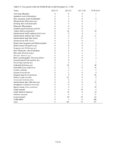
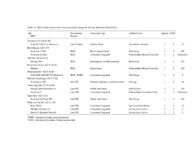
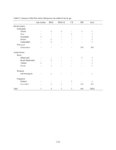
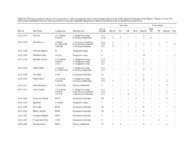
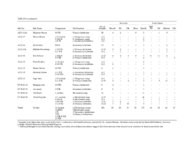
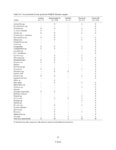
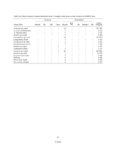
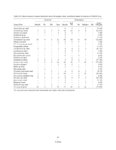
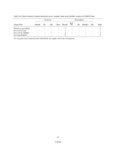
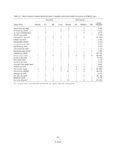
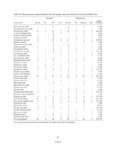
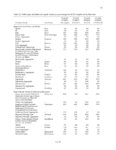
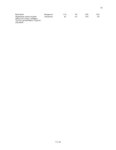
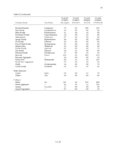
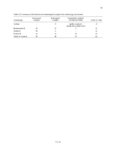
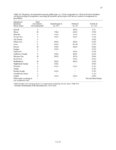
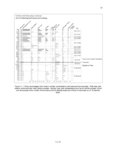
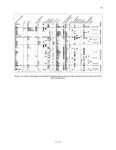
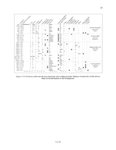
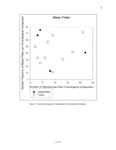
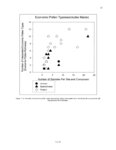
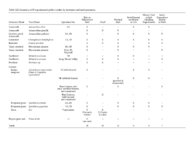
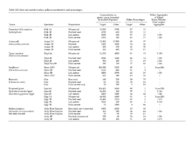
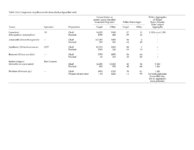
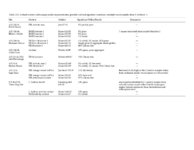
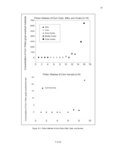
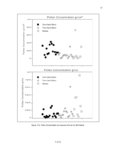
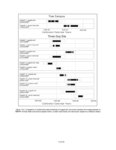
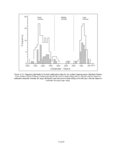
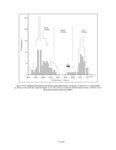
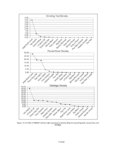
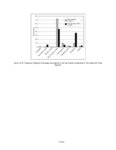
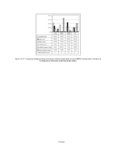
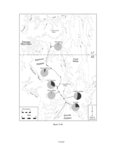
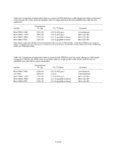
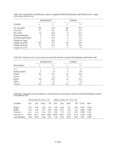
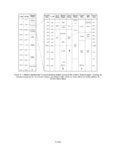
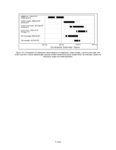
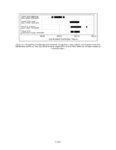
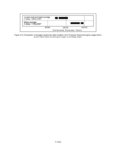
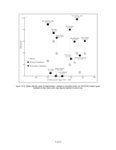
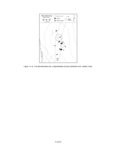
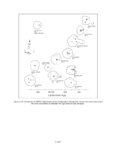
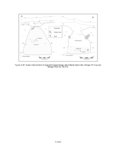
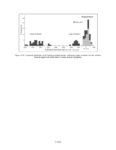
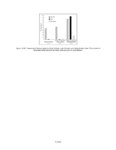
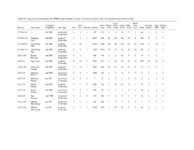
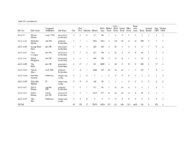
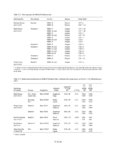
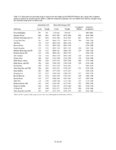
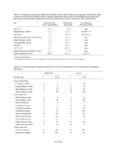
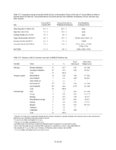
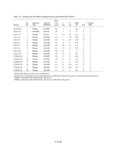
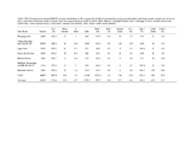
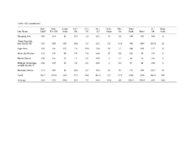
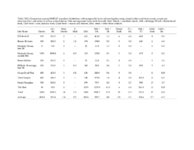
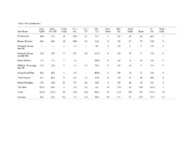
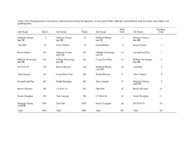
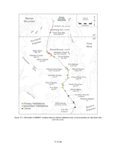
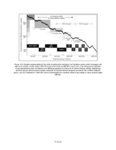
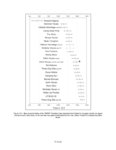
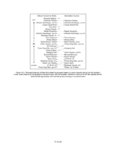
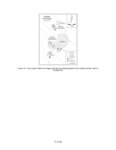
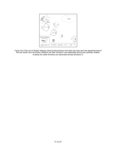
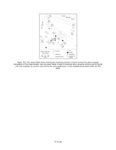
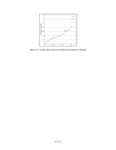
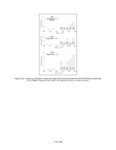
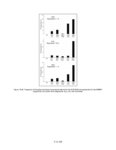
Show Archaic feces from Dust Devil Cave). Maize recovery from the flotation samples of NMRAP Basketmaker and Puebloan sites offers a useful means for assessing the relative importance of maize in the Basketmaker diet. The sample sizes are quite good for the assemblages from these two general intervals-both the total number of samples analyzed (194 and 200 respectively) and the volume of sediment processed (771 and 792 liters respectively). The number of sites analyzed is less robust, consisting of 14 for the Basketmaker sample and 19 for the Puebloan sample. More significantly, just three sites (21%) classified as primary habitations added to the Basketmaker float sample, accounting for 56 percent of all analyzed Basketmaker floats, whereas more than half of the sites adding to the Puebloan sample are primary habitations (53%), accounting for 80 percent of the analyzed Puebloan floats. Secondary habitations, which tended to have somewhat lower representation of maize and other macrobotanical remains than primary habitations, accounted for more than 60 percent of the Basketmaker site sample and 42 percent of the analyzed Basketmaker floats, but just 16 percent of all Puebloan floats. Because there is a greater likelihood for maize to be represented at primary habitations, the differential representation of this site type and float samples therefrom is likely to make maize appear more ubiquitous in the Puebloan sample compared to the Basketmaker sample. Table 14.5 presents a comparison of various Zea mays remains recovered from the numerous flotation samples of NMRAP Basketmaker and Puebloan sites, and Figure 14.11 graphs their ubiquity values. In both the figure and the table the heading of "all parts" denotes those samples that contained at least one type of maize remain, and this provides the best overall estimate for its representation. Based on all plant parts, maize ubiquity is high during the Basketmaker period. Indeed, other than goosefoot seeds, which have a ubiquity value of 64 percent, maize is the most common food remain in the flotation data set. At primary habitations, maize actually equals or exceeds the percent presence of goosefoot seeds. Although maize appears to be slightly more common within Puebloan flotation samples, this is likely a product of the comparative overrepresentation of float samples from primary habitations as mentioned previously. There is a significant difference in maize ubiquity between primary and secondary Basketmaker habitations, with the former having a value of just over 80 percent (83.5%) whereas the latter have a value of 32 percent (32.1%). There is good reason to believe that macrobotanical remains from places resided in for a substantial portion of a year provide a better approximation of overall subsistence orientation than macrobotanical remains from places of limited residence. Besides the high incidence of maize in flotation samples from primary habitations, maize is far more abundant at these Basketmaker sites than at secondary habitations, something that was unmistakable in the field during excavation. For example, NNAD excavators recovered maize from most features at Kin Kahuna and The Pits, whereas maize was rare and often had to be carefully searched for during the excavation of features at secondary habitations such as Panorama House and Sin Sombra. Quantification of this difference is best provided by Andrea Hunter's flotation results (Appendix B) from the first year of data recovery excavation. In 20 flotation samples (73 liters of sediment) from The Pits, a primary habitation site with abundant storage capacity, the quantity of maize was 20.8 parts per liter and 1.7 kernels per liter, whereas in 13 samples (47 liters of sediment) from Polly's Place, a secondary habitation lacking storage features, the quantity of maize was 2.7 parts per liter and 0.6 kernels per liter. These findings differ from those for northern Black Mesa, where Wills and Huckell (1994:44) reported a lack of clear correspondence between site type and maize occurrence. Figure 14.11 presents a plot of maize ubiquity values through time for Basketmaker habitations excavated within the N16 ROW; primary habitations are depicted as squares, secondary habitations as circles. Sample size is also shown to provide a perspective on how robust the patterning might be. The blackened squares and circles are ubiquity values calculated using all maize parts (cupules, kernels, glumes, cob portions), whereas the open squares and circles are ubiquity based only on maize kernels. Kernels alone eliminates the possibility that purposeful burning of maize cobs for fuel or incidentally by disposal into hearths might greatly and differentially inflate the incidence of maize. In most cases, representation declines substantially when just kernels are used for calculating ubiquity values. In two instances this did not occur, but one of these (Ditch House) has a minuscule sample size so it may simply be an aberration. Because it is based on 20 samples, the equal 75 percent ubiquity of kernels and cob portions at The Pits is notable, providing good evidence for the significance of maize during the last few centuries BC and the first few centuries AD. For this presentation, I separated the lengthy Basketmaker occupancy of Kin Kahuna into two temporal components: early, from about 2200 to 1900 BP, and late, from about 1900 to 1700 BP. The late portion is viewed as potentially ceramic because of the Mountainview site (see Chapter 10 of Volume III), although no pottery was actually recovered from Kin Kahuna. The significance of maize in the diet throughout the occupancy of Kin Kahuna is attested to by its presence in 66 of 72 analyzed flotation V.14.16 |