| OCR Text |
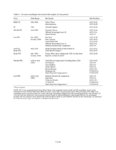
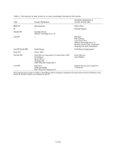
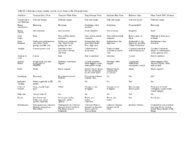
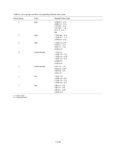
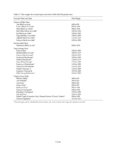
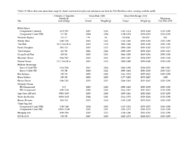
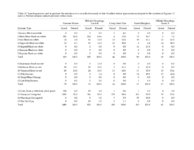
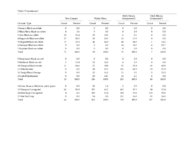
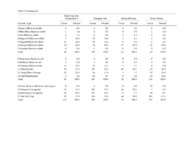
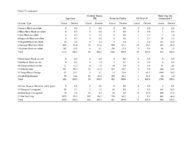
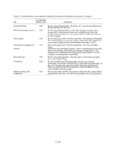
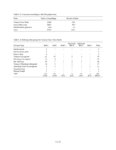
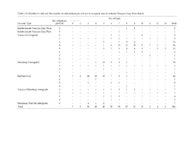
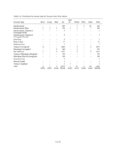
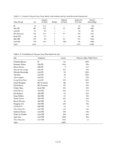
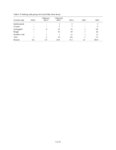
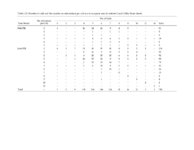
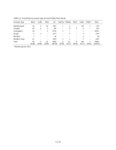
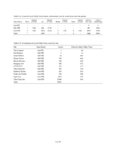
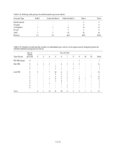
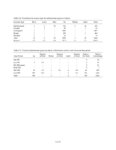
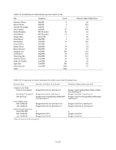
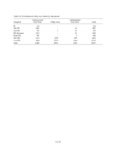
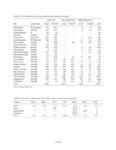
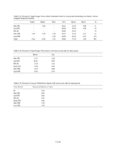
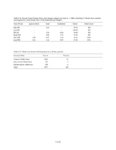
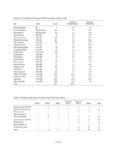
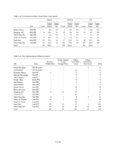
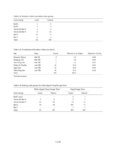
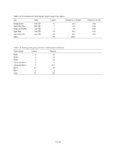
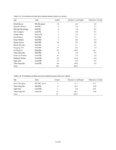
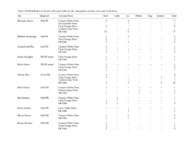
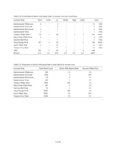
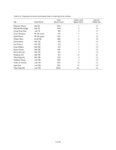
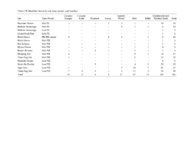
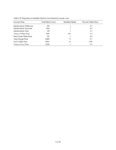
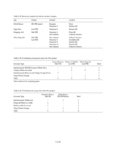
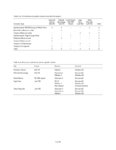
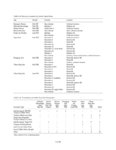
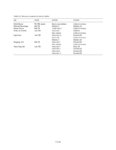
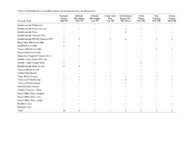
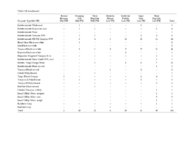
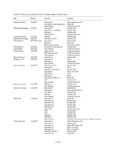
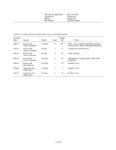
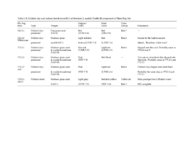
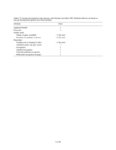
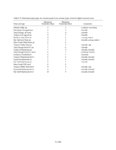
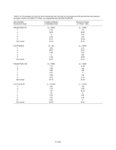
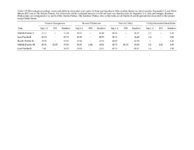
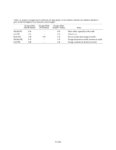
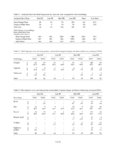
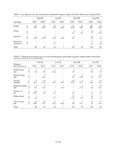
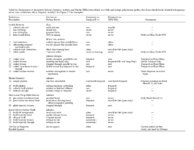
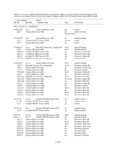
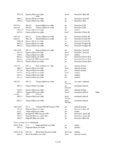
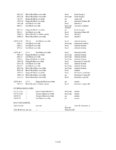
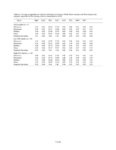
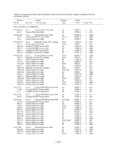
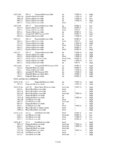
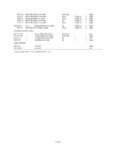
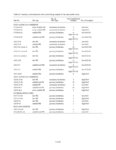
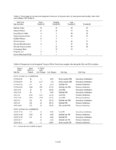
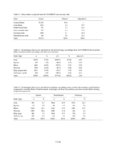
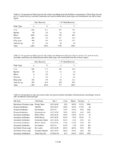
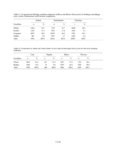
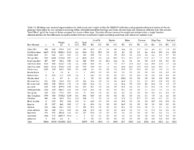
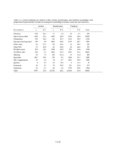
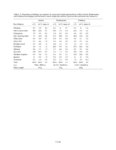
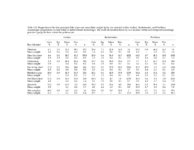
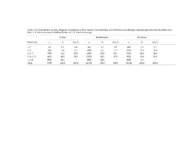
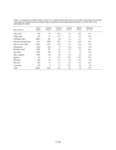
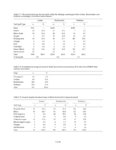
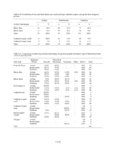
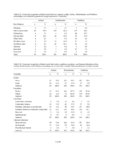
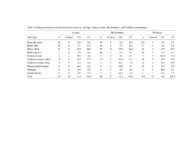
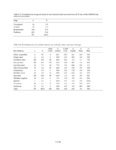
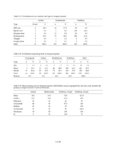
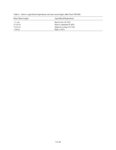
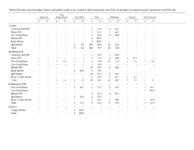
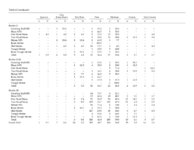
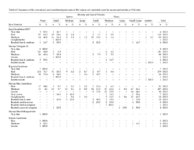
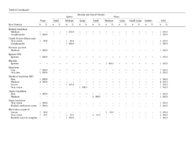
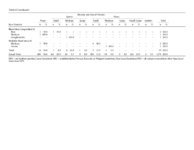
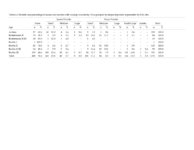
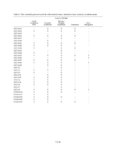
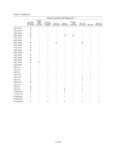
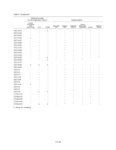
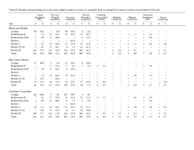
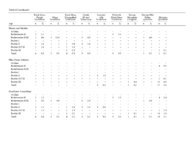
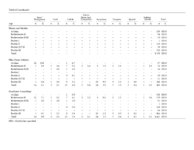
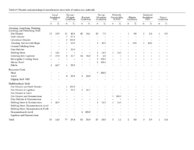
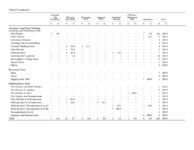
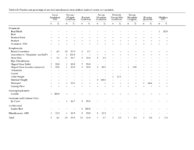
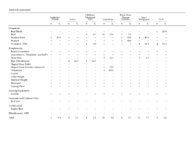
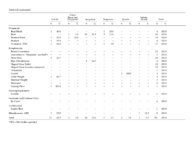
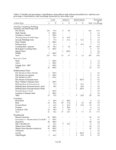
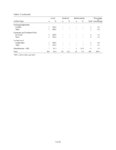
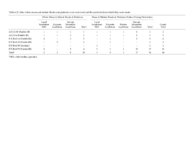
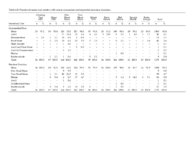
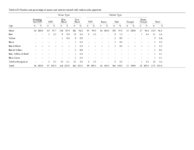
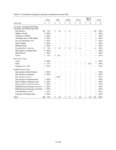
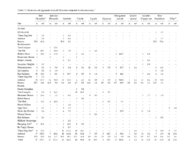
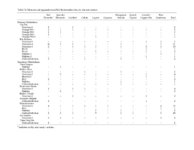
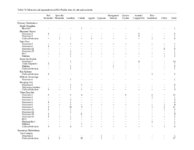
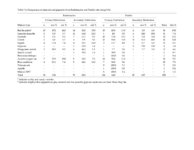
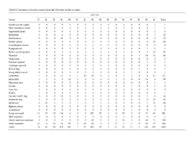
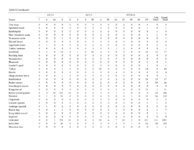
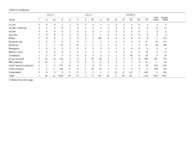
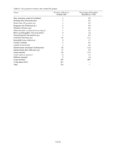
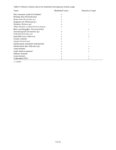
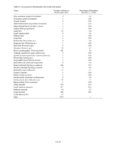
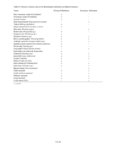
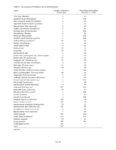
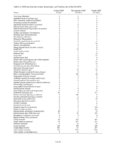
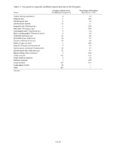
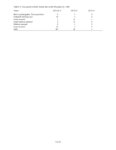
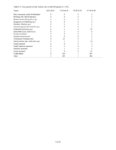
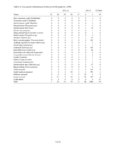
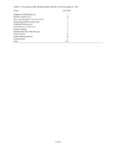
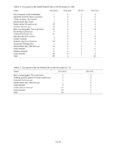
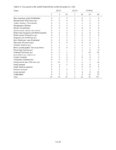
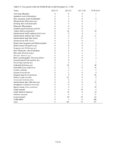
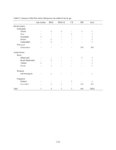
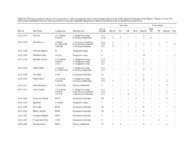
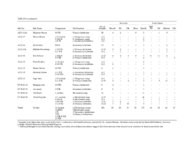
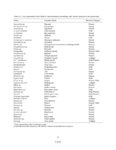
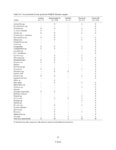
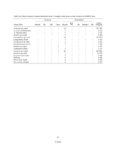
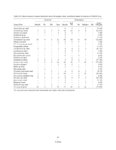
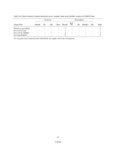
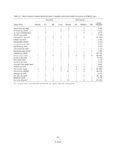
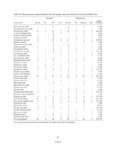
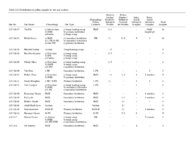
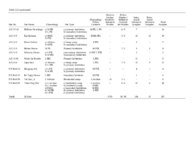
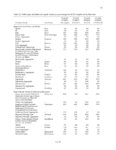
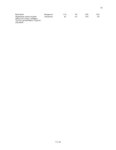
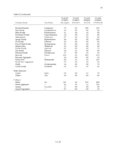
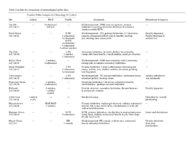
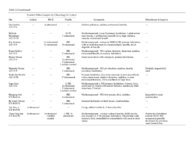
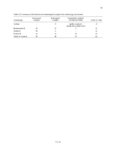
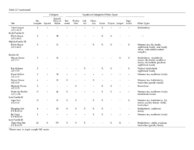
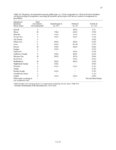
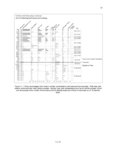
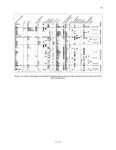
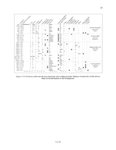
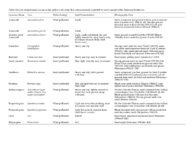
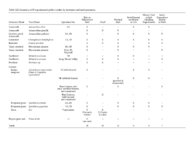
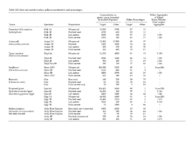
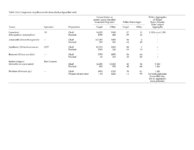
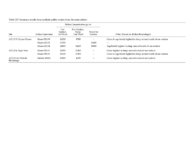
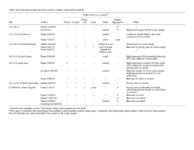
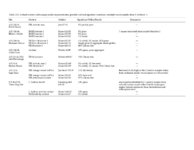
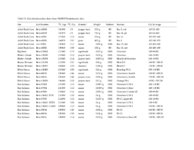
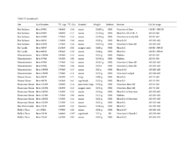
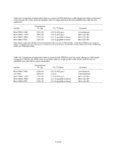
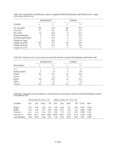
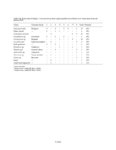
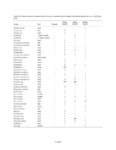
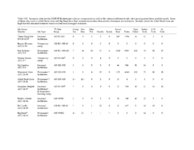
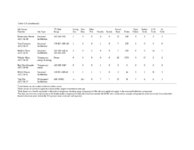
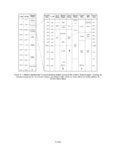
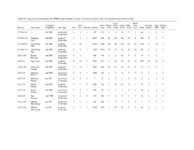
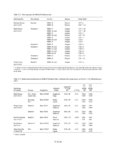
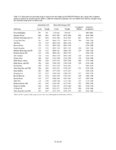
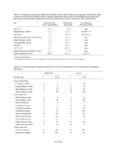
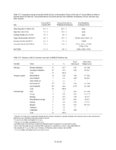
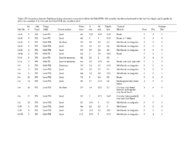
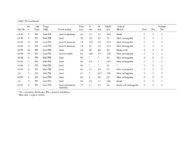
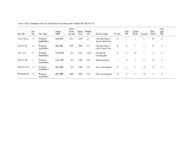
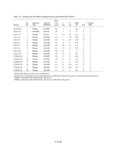
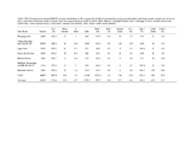
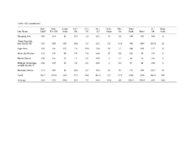
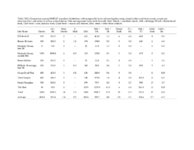
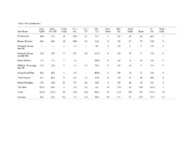
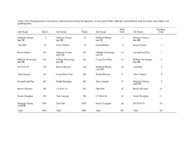
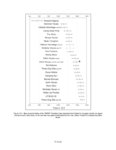
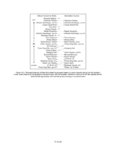
Show signs of burning, suggesting that intensive processing was not present at the site. None of the bones showed any signs of butchering/processing, but 11 bones were modified into tools or gaming pieces. Table 8.15 shows the distribution of taxa identified at the transitional Basketmaker II-III period site. Middle Pueblo II Four of the N16 sites dated to the middle Pueblo II period, with two of these (AZ-J-14-16 and AZ-J-314) classified as primary habitations and two others as secondary habitations. Three of the four assemblages are small, with less than 50 bones recovered. The fourth assemblage, AZ-J-14-16, is large (n = 356) relative to the other sites on the N16 project. Like the Basketmaker period assemblages, the middle Pueblo II period assemblages are dominated by (probably intrusive) rodent taxa, leporids (jackrabbits and cottontails), and unidentified mammal remains. AZ-J-14-16 also has a high percentage of domestic dog remains, most of which derive from a single burial. Unidentified mammal remains are fairly even between small and large taxa, a characteristic that is dissimilar to the Basketmaker assemblages in the N16 project. Table 8.16 shows the distribution of taxa identified at the middle Pueblo II sites. Fifty-one pieces of bone from the middle Pueblo II assemblages are burned, with only 18 showing signs of calcification. The small number of burned remains may suggest that processing at these sites was not intense. Five bones, all from medium to large mammals, show signs of butchering/processing. Only two of these remains exhibit marks that were positively identified as cut-marks, while the other three were less certain. Two of the possible cut-marks were also identified on bone awl fragments. Fourteen pieces of bone were culturally modified into 8 awls, 2 pieces of jewelry, possibly rings, and 4 unidentified pieces. The faunal remains from the middle Pueblo II period sites, with the exception of AZ-J-14-16, were fairly unremarkable. Two of the sites contained primarily intrusive rodent taxa and one contained only a single unidentified artiodactyl remain. AZ-J-3-14 contained a large percentage of unidentified mammal remains but had only three identified taxa, two of which were probably intrusive rodents. Only AZ-J-1416 contained a decent-sized faunal assemblage and also had a wide range of identified taxa. This site contained reptiles, birds, and mammals, and also had a number of carnivore remains (mountain lion, indeterminate canids, and domestic dog). The large assemblage size probably relates to the intensity of the occupation, as does the elevated taxonomic diversity. The AZ-J-14-16 faunal assemblage is similar to the Basketmaker period assemblages in general, and the lack of turkey remains is interesting. Late Pueblo II The two N16 sites that dated to the late Pueblo II period are secondary habitations. Both sites are located in the center of the project area in pinyon-juniper woodland. The late Pueblo II period assemblages are small; AZ-J-13-14 has only one bone-an unidentified large-sized mammal. Forty-two of the 70 bones from late Pueblo II period components are burned, suggesting intensified processing relative to earlier periods. None of the bones show indications of cut-marks or other butchering activities, but five pieces of bone have been modified into tools, including four awls and one gaming piece. Table 8.17 shows the distribution of taxa identified at the Late Pueblo II period sites. The late Pueblo II period faunal assemblages show less taxonomic diversity relative to the middle Pueblo II period. This is likely due to the fact that the late Pueblo II period sites were both identified as temporary camps, whereas the middle Pueblo II period sites were both primary habitations, thereby lengthening both the span and intensity of the occupations. But despite these differences, cottontail remains are still the most abundant identified taxon, followed by rodent and indeterminate deer remains. The assemblages are dominated by unidentified mammal remains and lack any other taxonomic classes, such as reptiles and birds. As in previous periods, the emphasis on jackrabbits, cottontails, and artiodactyls may suggest a generalist subsistence model. Middle Pueblo III Seven sites or components date to the middle Pueblo III period: four were classified as primary habitations (AZ-J-2-3, AZ-J-3-8, UT-B-63-14, and UT-B-63-39) and three as secondary habitations. The four sites in Arizona had small assemblages (less than 20 bones), while the three sites in Utah were comparably larger (more than 40). The Utah sites also had a higher taxonomic diversity, but it is likely that this factor is related to the larger sample sizes at these sites, given that two of the sites were primary habitation locales. Like the Basketmaker assemblages, the middle Pueblo III assemblages (Table 8.18) are dominated by (probably intrusive) rodent taxa, leporids (jackrabbits and cottontails), and unidentified mammal remains. In total, 114 bones from the middle Pueblo III period assemblages are burned. Nearly half of these (n = 50) are calcined, possibly indicating processing of the bones for the most nutritional value possible. The ratio of burned bones to calcined bones in all previous periods was much smaller, but nearly half of all burned bones from this period were calcined. At most, this indicates that bone processing increased in the middle Pueblo III period. One bone, from Structure 3 at UT-B-63-14, exhibits a small number of cutV.8.6 |