| OCR Text |
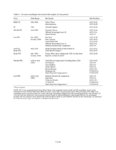
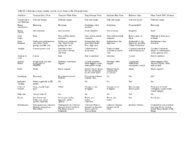
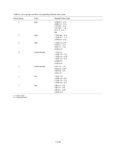
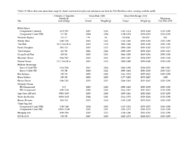
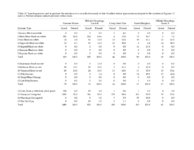
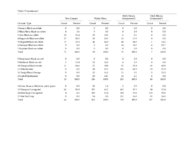
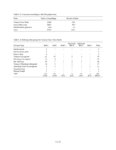
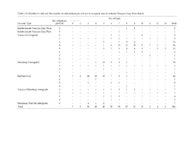
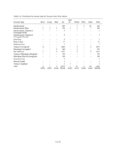
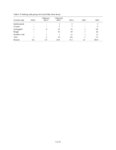
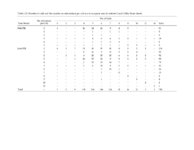
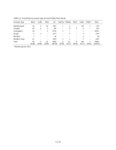
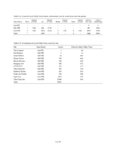
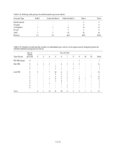
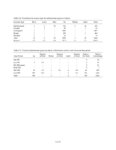
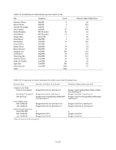
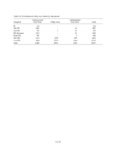
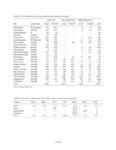
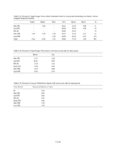
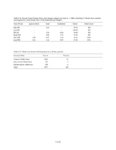
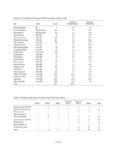
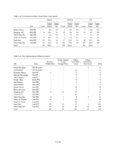
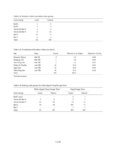
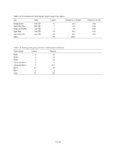
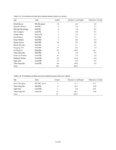
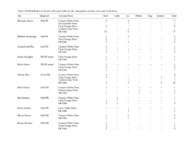
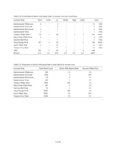
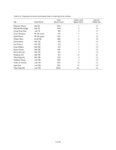
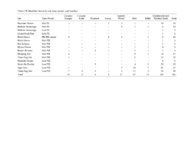
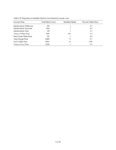
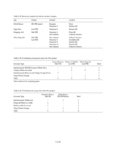
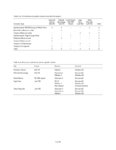
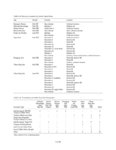
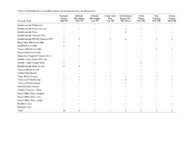
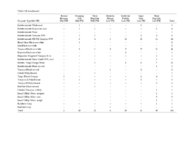
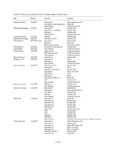
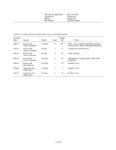
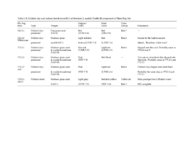
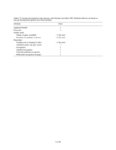
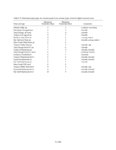
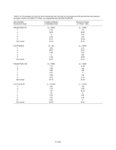
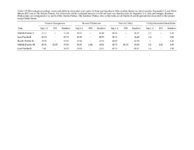
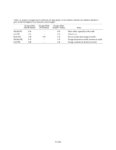
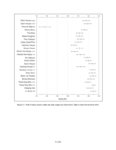
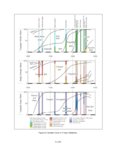
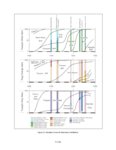
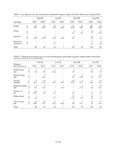
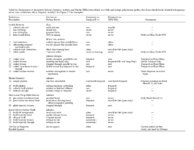
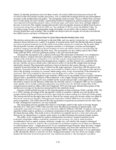
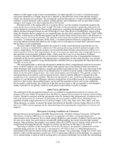
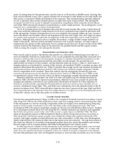
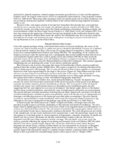
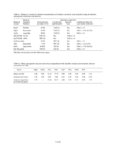
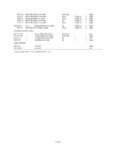
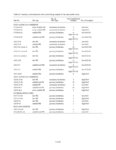
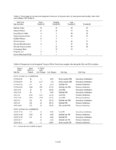
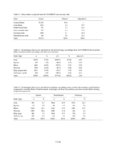
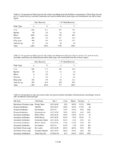
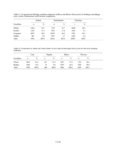
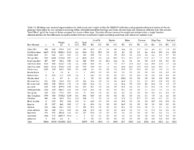
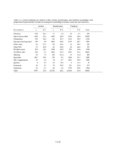
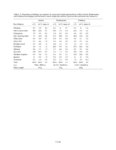
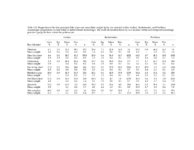
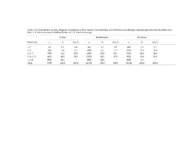
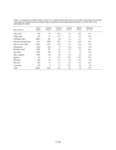
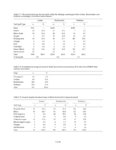
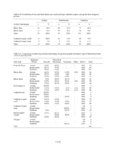
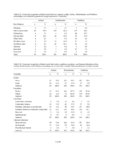
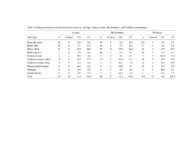
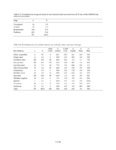
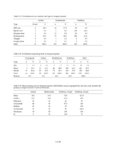
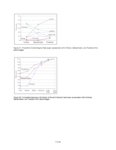
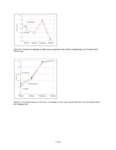
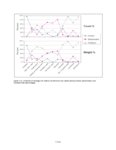
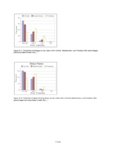
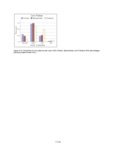
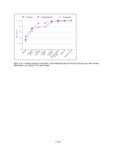
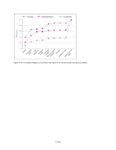
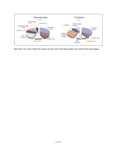
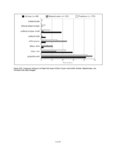
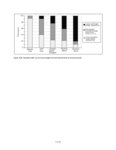
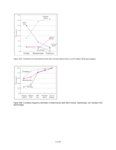
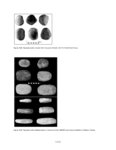
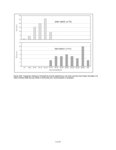
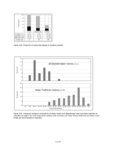
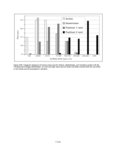
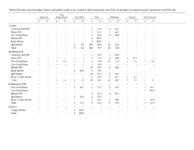
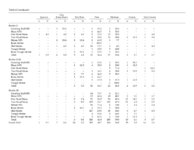
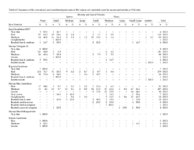
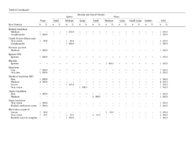
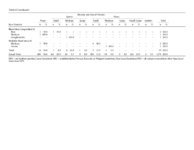
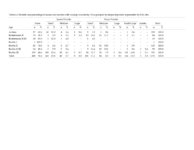
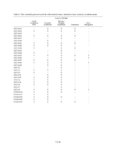
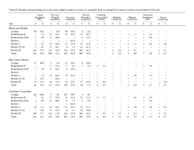
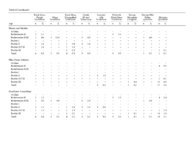
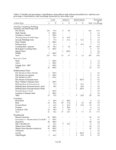
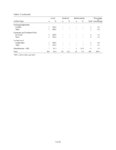
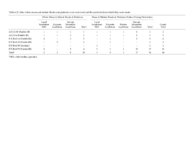
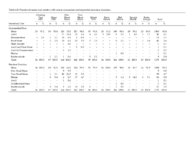
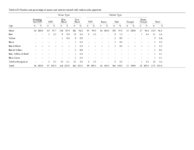
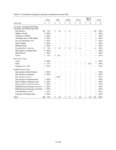
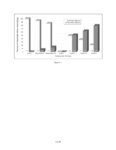
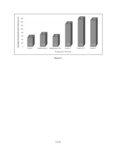
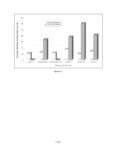
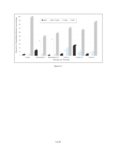
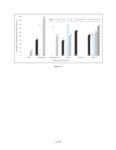
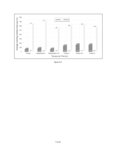
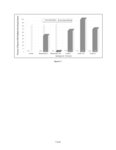
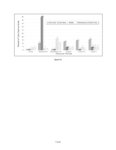
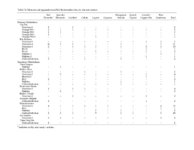
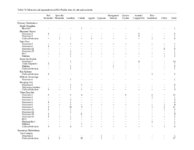
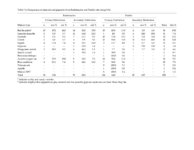
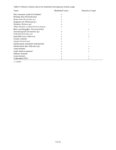
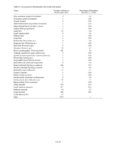
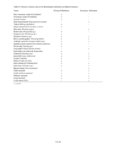
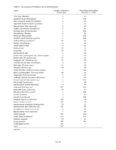
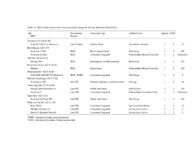
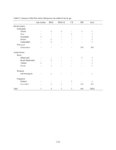
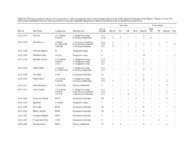
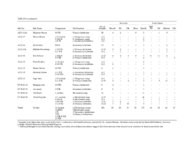
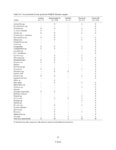
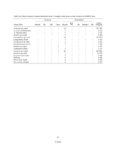
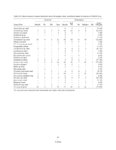
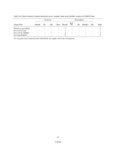
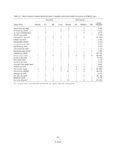
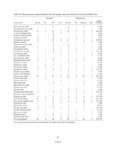
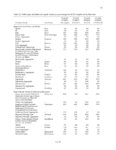
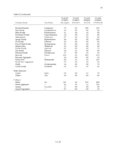
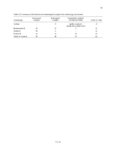
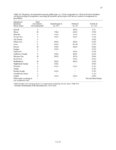
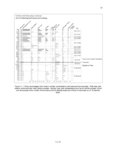
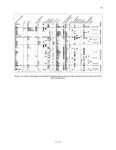
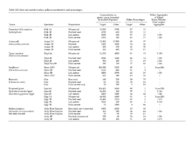
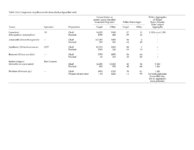
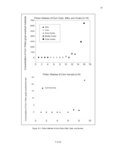
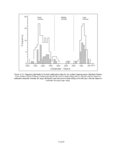
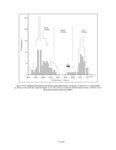
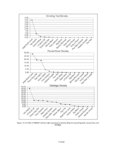
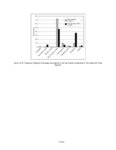
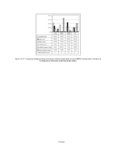
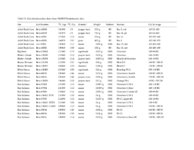
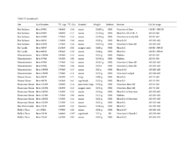
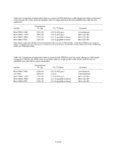
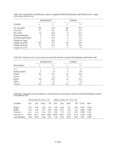
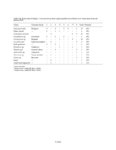
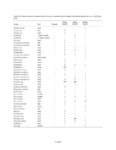
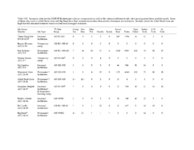
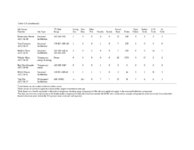
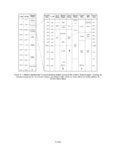
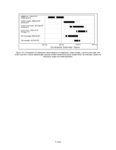
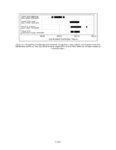
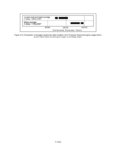
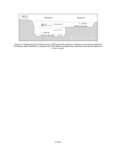
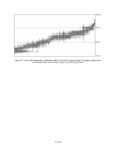
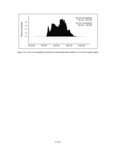
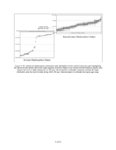
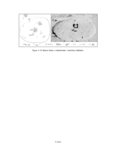
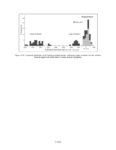
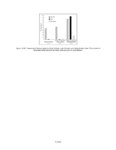
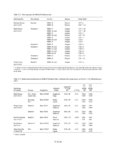
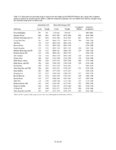
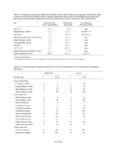
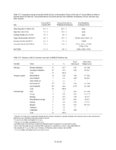
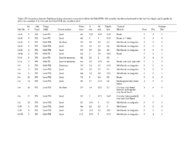
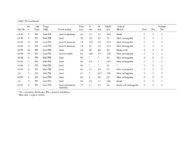
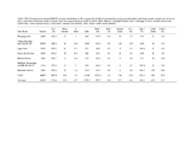
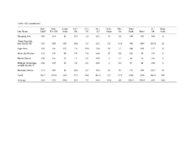
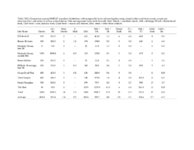
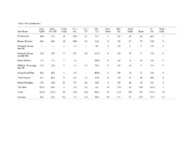
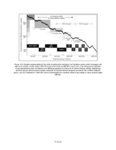
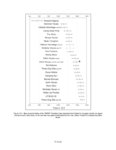
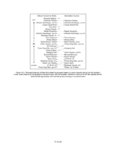
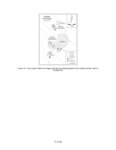
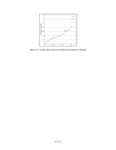
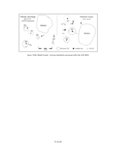
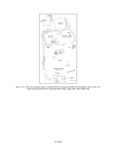
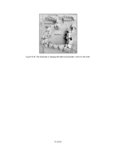
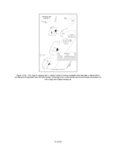
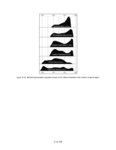
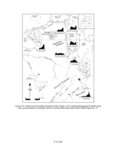
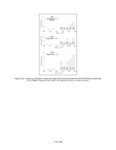
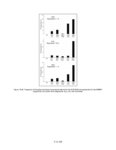
Show debris less than 1/4" in size (adjusted percent) because of differential use of 1/8" mesh between broad temporal periods, the Archaic assemblage is characterized by its overall small flake size, with just over 70 percent of debitage in the 1/4-1/2" class compared to less than 35 percent of Puebloan flakes. This pattern, which is depicted in Figure 5.11, is easily understood by the previously described different reduction strategies that characterize each period. The overwhelmingly small flake size seen in the Archaic assemblage results from an emphasis on bifacial tool production and modification with far less emphasis on simple core reduction. Most important, it appears that the Archaic assemblage is mainly characterized by late stages of biface reduction (advanced thinning and shaping), the resharpening of worn edges, and the probable modification or recycling of broken bifacial tools, all of which will result in relatively small flakes. The frequency distribution of only the biface flakes by temporal period (Figure 5.12) shows that more than 60 percent from the Archaic assemblage are between 1/4 and 1/2" in size, whereas under 40 percent of the Puebloan biface flakes are that size. The largest majority of Puebloan biface flakes are 1/2-1" in size (53%) and 10 percent are in the next largest size class, which accounts for just less than 4 percent of the Archaic flakes. These figures imply proportionally less representation of earlier stages of biface reduction at Archaic sites than at Puebloan sites, an inference that appears borne out by the incidence of cortex on biface flakes-less than 4 percent in the Archaic assemblage to over 7 percent in the Puebloan assemblage. Puebloan flintknappers, more so than Archaic flintknappers, conducted earlier stages of biface reduction at their sites whereas Archaic foragers evidently brought in prefabricated tools or flake blanks. This is also seen in the average weight of biface flakes, which is greater for the Puebloan than Archaic assemblage across all material types (Table 5.12). Core reduction can also result in the accumulation of small debris, but the identifiable core flakes are larger on average than other flake types in each temporal period. Moreover the Puebloan period, which is characterized by a preponderance of core flakes compared to other flake types, has far more core flakes in larger size classes than the Archaic assemblage (Figure 5.13) as well as having larger core flakes on average. The mean weight of core flakes for the Archaic assemblage is 3.7 g whereas it is 9.8 g for the Puebloan assemblage, and Puebloan core flakes are substantially heavier than Archaic core flakes across all material types except petrified wood (Table 5.11). It seems likely that one significant aspect behind this trend is the far greater residential mobility of Archaic foragers, which translates into more concern over transport weight. Another factor is that many of the core reduction flakes at Puebloan sites come from pecking stones, which are often quite large. Source proximity was clearly an important variable conditioning resource use during Basketmaker and Puebloan periods, but this was not the case during the Archaic, or at least not commonly. The Archaic sites located in the same area where Basketmakers and Puebloans made extensive use of Owl Rock chert, petrified wood, and Navajo chert (the latter being immediately at hand to many sites), yielded abundant obsidian and non-local chert and chalcedony. The low degree of residential mobility during Basketmaker and Puebloan times is certainly a factor in this patterning, as is perhaps a somewhat different functional emphasis, not just a greater need for the production and maintenance of grinding tools but also probably more call for tools for heavy-duty chopping, scraping, and planing tasks involved in wood working. Not only were Archaic tools more likely to have been largely prepared elsewhere and to have been brought to the project area in finished or near-finished form, but tool requirements at most of the Archaic sites were such that the somewhat coarse resources such as Owl Rock chert were probably less desirable than obsidian or cryptocrystalline chert. This is not to suggest that Archaic foragers would never have used Owl Rock chert, especially at residential base camps such as Atlatl Rock Cave where this material type is most common in the early Archaic deposits (see Chapter 2 of Volume II), but rather that the Archaic sites in the ROW that produced nearly all the artifacts were probably hunting related and thus had a far more restricted functional role than most of the Basketmaker and Puebloan sites, which evidently functioned as habitations (see site type discussion in Chapter 13 of this volume). Production of grinding tools doubtless played a significant part in why silicified conglomerate is disproportionally represented in the Puebloan assemblage, which accounts for 96 percent of this material type. This coarse raw material is poorly suited for most tasks that a microcrystalline rock like chert would be used for, but it does make an excellent pecking stone because it can be flaked to produce acute edges that do not readily dull when being used to chisel stone. Quartzite appears to have been exploited by Puebloans for partly the same purpose-as pecking stones-and more than half of the flakes of this material occur in the Puebloan assemblage. The Archaic assemblage accounts for nearly all the rest of the quartzite, but in this case the material was largely used for biface reduction. This is clearly indicated by the finding that 61 percent of all Archaic quartzite flakes that could be classified as to reduction technique came from bifaces (Table 5.12). The evident low incidence of Basketmaker use of quartzite is largely a function of only one site dating to this period being located in the area of Navajo Mountain, where this V.5.24 |