| OCR Text |
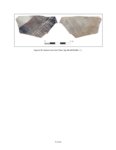
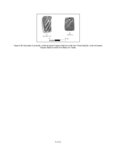
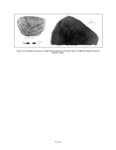
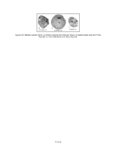
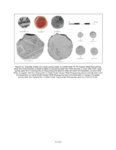
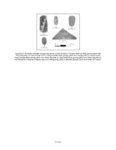
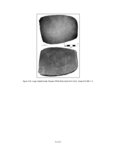
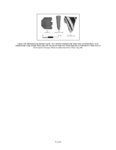
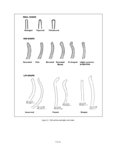
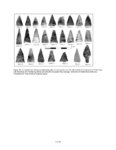
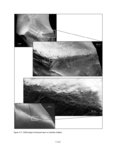
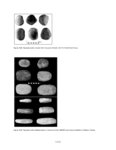
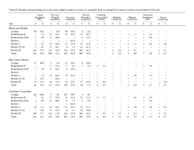
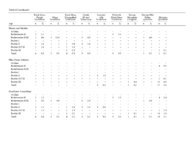
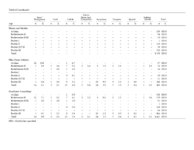
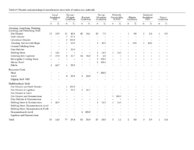
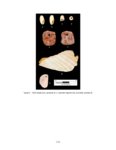
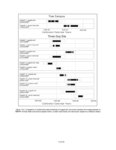
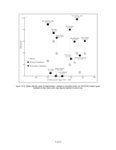
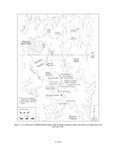
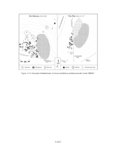
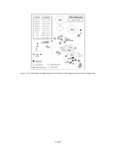
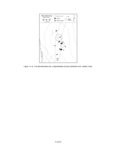
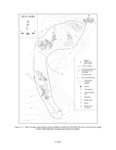
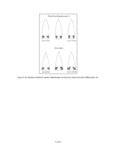
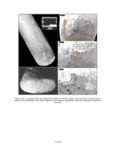
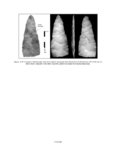
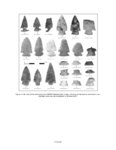
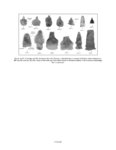
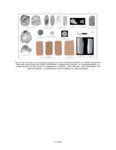
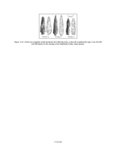
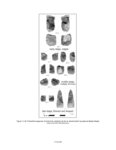
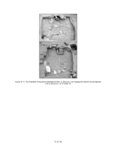
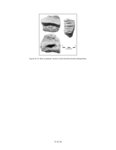
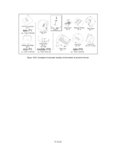
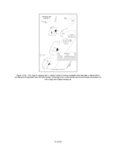
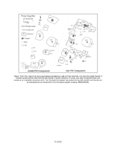
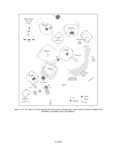
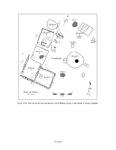
Show bending fracture. This evidence is the signature of hunters removing the broken proximal ends of points from foreshafts and rearming them with new points. This northeast portion of the site therefore would seem to have served as a temporary camp for hunters. The age of the remains in the northern site area can be approximated based on the presence of Basketmaker II style projectile points. What makes Scorpion Heights stand out as unusual and provides a perfect fit with the hunting camp interpretation-above and beyond the evidence that dart foreshafts were rearmed-is that part of this activity involved the reduction of bifaces of white siltstone, a material type that originates on northern Black Mesa (Green 1985; Parry 1987a). This material occurs in low frequency at Basketmaker II sites of the Rainbow Plateau, but is the most widely used tool stone by Basketmaker II occupants on northern Black Mesa (Parry 1987:25), to the extent that flaking debris of this material is a useful temporal marker if occurring on an aceramic site. Based on the quantity of this siltstone at Scorpion Heights, it is plausible that Basketmaker hunters from Black Mesa created the concentrated scatter of flaking debris and discarded point bases at Scorpion Heights, having traveled to the rugged canyon country in pursuit of deer or bighorn sheep. However, given that the broken dart point bases from the site were of Glen Canyon chert, petrified wood, or other materials not available on Black Mesa, it is more likely that the hunters were local to the northern Kayenta region and acquired the siltstone through direct procurement while visiting Black Mesa. In this case the raw material supports the idea of a logistic foray outside the northern Kayenta region, one that hunters were likely to make in pursuit of large game. Intensive biface reduction was also documented at the Basketmaker component of Windy Mesa, where excavations recovered a substantial assemblage of stone artifacts numbering close to 4000 items but did not disclose any Basketmaker features. The small area investigated represents just part of the Basketmaker II remains at this site, and outside the ROW there are a few upright slabs that are candidates for features perhaps associated with this component. Also, because a portion of this component within the ROW was eroded and disturbed by road construction, some features may have been lost. Features or not, a central activity for the Basketmaker II occupants was biface reduction, apparently beginning midway in the reduction sequence (partially thinned blanks were brought to the site) and directed at the production of projectile points or point preforms. Reduction activity was quite intensive, and mainly involved locally occurring Navajo chert (outcrops occur within 1 km); petrified wood that may have been procured less than 10 km away in Piute Canyon was also reduced. A large proportion of the debitage was identified as derived from percussion biface thinning, with pressure flaking accounting for much of the remainder. Eighteen bifaces, all in late stages of reduction, were recovered, with six of these being projectile points. Based on the proportions of bifaces at various stages and the nature of the debitage assemblage, it appears that the goal of reduction was to produce projectile points, or at least point preforms such as the group of 16 found together in a hunter's tool kit (Cache 1) at Sand Dune Cave (Geib 2004; Lindsay et al. 1968: Figure 23). The six projectile points are fragmentary and only one could be confidently classified as a Basketmaker II Corner-notched point. A stem fragment of nearly identical dimensions and shape is also likely derived from a similar Basketmaker point. The Basketmaker II lithic assemblage of Windy Mesa, like that of Scorpion Heights, is quite different from that of the Basketmaker II habitations of the immediate area, especially the secondary habitations, which are characterized by an emphasis on simple core reduction apparently for the production of flakes for expedient use and for the preparation and maintenance of core tools such as pecking stones and choppers. These contrasts in flaked stone assemblages clearly reflect different sets of activities and settlement roles. Windy Mesa was the location of rather intensive reduction, but this was probably done by hunters in the context of using the place as a temporary logistic camp, who, while out on their foray, replenished their tool kits with projectile point preforms if not finished points. Other Camps. A few of the Basketmaker II camps identified in the N16 ROW consisted simply of hearths with few or no associated artifacts. These features were discovered while backhoe trenching or stripping; the features were not exposed on the surface. Temporal assignment of these features was based on radiocarbon dating. Most of these features did not produce any remains indicative of what they might have been used for. They might have been used for some sort of food processing or they might have simply been the brief campfires of transient groups, with the fires used principally for warmth. The latter seems especially true for exceedingly shallow hearths, which is what most of these features were. At one camp that contained several hearths, two of them produced a few macrobotanical remains other than wood charcoal: a maize cupule and a few goosefoot seeds from one hearth and a purslane seed from another. Not much can be said about this sparse set of remains, except that corn was present in minimal quantity. The few seeds might merely have come from the incidental charring of weeds growing on the site. The presence of corn and late summer-fall seeds might be taken as evidence of occupancy during the late growing season. In this particular case the features were situated next to a likely farming area, so V.14.29 |