| OCR Text |
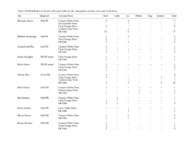
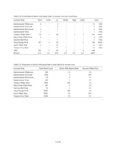
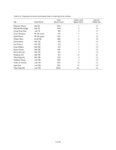
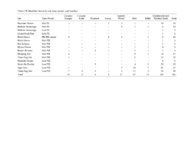
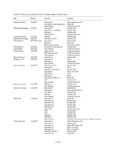
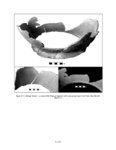
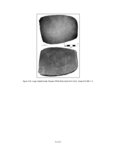
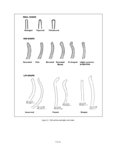
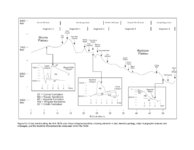
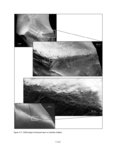
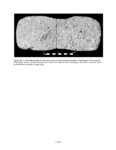
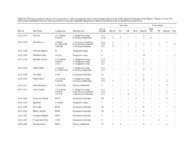
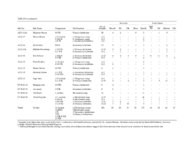
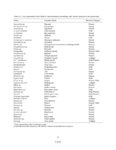
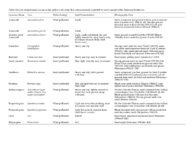
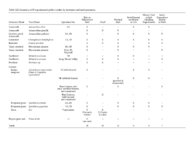
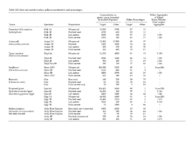
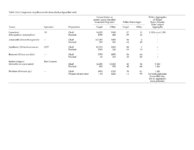
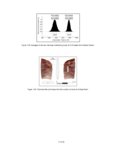
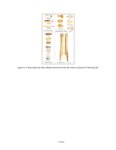
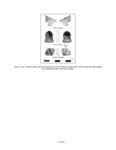
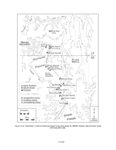
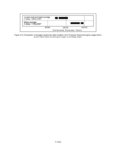
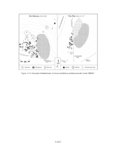
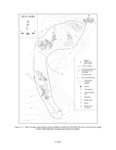
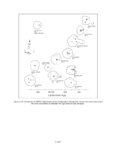
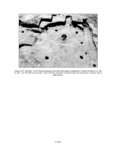
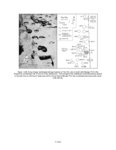
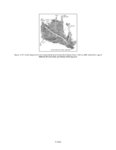
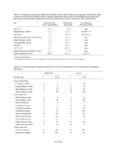
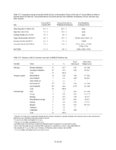
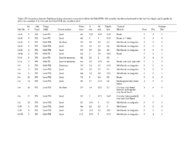
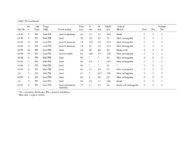
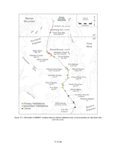
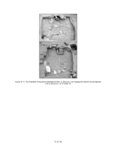
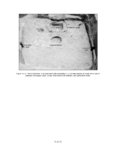
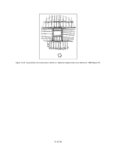
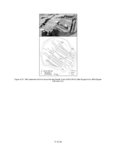
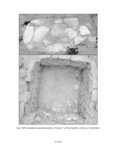
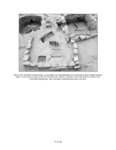
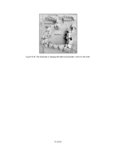
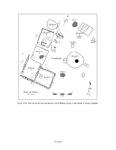
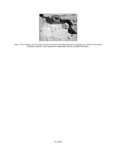
Show these features may have been associated with tending fields. At one other Basketmaker camp some unidentified seeds were observed in the light fraction from floated fill of a hearth and these remains may relate to foraging activities (use of the hearths in seed parching). This last case was on the central portion of the Rainbow Plateau and might represent a satellite foraging camp used for a few hours by a small group based out of a Basketmaker residential site. Other Basketmaker Sites of the Northern Kayenta Region Findings that complement the NMRAP results and allow for a more fuller understanding of Basketmaker II site types and settlement patterns in the northern Kayenta region come from previous excavations, chiefly sheltered settings on the northern portion of the Rainbow Plateau, and from open sites on Piute Mesa, settings and areas not represented by the excavations reported here. The list of sites includes all that belong to the chronological interval outlined previously and for which there is enough information in published reports, file reports, or field notes to make a site type assignment. MNA archaeologists excavated many of these sites as part of the Glen Canyon Project, including Sand Dune Cave (Lindsay et al. 1968) and a few open pit house settlements on Piute Mesa that are unreported and thus little known. Dust Devil Cave was tested as part of that project, but most information comes from complete excavation in 1970, which was a separate undertaking directed by J. Richard Ambler. At that same time, Ambler tested a half dozen other shelters in the general area, two of which had significant Basketmaker II use. Added to this list are the Desha Caves excavated by Irwin Hayden in 1930 (Geib and Robins 2003; Schilz 1973) and Atlatl Rock Cave that NNAD archaeologists tested in 1993. The latter site is a large dry shelter with stratified cultural deposits dating back to the early Archaic (see Chapter 2 of Volume II). The significance of these additional Basketmaker sites is that they add to the variability documented by the NMRAP, thereby providing a more complete characterization of Basketmaker II settlement. Piute Mesa Habitations As part of the Glen Canyon Project, MNA archaeologists excavated several sites on Piute Mesa, including the Tsegi phase habitations of Pottery Pueblo (Stein 1984) and Neskahi Village (Hobler 1964, 1974). Unreported and therefore essentially unknown was the partial excavation of two open Basketmaker II habitations located in close proximity to Pottery Pueblo (NA7627 and 7708) and a third open Basketmaker II site (NA8368) that might also have been a habitation. Our knowledge of these sites comes from field notes and preliminary reports on file at MNA. Ambler directed the excavations at both of the habitations near Pottery Pueblo. "Coffin-like" arrangements of upright sandstone slabs (Figure 14.22) were the features of interest at both of Basketmaker habitations, with two examples excavated at NA7708 and three at NA7627. At the time, Ambler was interested in discovering what these unusual constructions had been used for, but he was unable to provide a satisfactory answer. Had he expanded his effort only slightly the truth likely would have been revealed-they are the slab-lined entries to shallow pit houses. This is obvious today given the excavation of Lone Tree Dune (Sharrock et al. 1963:151-161) by University of Utah archaeologists during the Glen Canyon Project and Lipe's subsequent excavation of Basketmaker II structures at the Pittman and Veres sites on Cedar Mesa (Matson 1991: Figure 1.3; Pollock 2001). The slablined entries on Piute Mesa averaged about 3 m long and 75 cm wide. Other slab-lined features, both hearths and cists, were also excavated at these sites. Ambler suggested a Basketmaker II temporal assignment based on the lack of surface pottery at both sites and this was supported by the subsurface recovery of only stone artifacts, including manos and projectile points similar to those found at dated Basketmaker II sites. At NA7708 there were at least two cists with clay plastered floors and small sandstone slabs pushed into the clay. Similar features occur at the Desha Caves and Atlatl Rock Cave where they have been radiocarbon dated to the late Basketmaker II period (first half-millennium of the Christian era), which is likely the age for both of these habitations on Piute Mesa. One of the interesting aspects of these two sites is how similar the entryway architecture is to the Basketmaker sites north of the San Juan River on Cedar Mesa and the Red Rock Plateau, yet such slab-lined ramps are poorly represented in the NMRAP sample of Basketmaker II sites, suggesting some degree of geographic variability in house construction within relatively close distance. NA8368 is the third Basketmaker II site on Piute Mesa excavated by MNA during the Glen Canyon Project. Philip Hobler directed the excavations and prepared the preliminary descriptive report that is on file at MNA. Excavated features consisted of six slab-lined hearths and what appears to have been a slablined cist, the roof of which burned. Tree-ring samples submitted from this site did not return a date. Given the presence of a probable food storage feature it is possible that this site also functioned as a habitation, but it may have instead functioned as some specialized collecting and processing location such as for pinyon nuts. Only further investigation of this site can resolve this issue, but a habitation role V.14.30 |