| OCR Text |
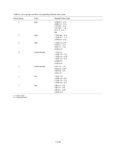
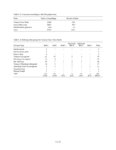
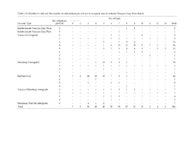
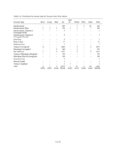
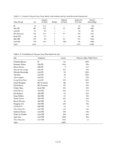
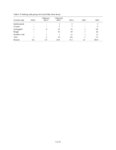
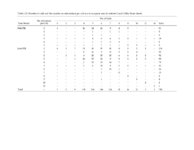
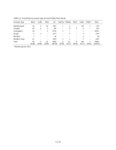
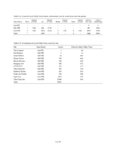
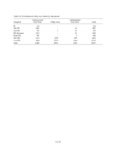
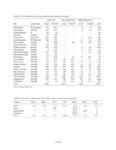
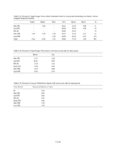
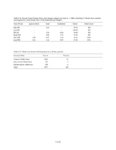
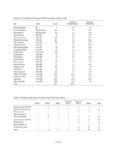
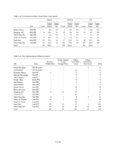
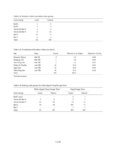
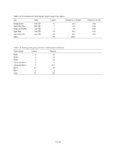
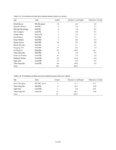
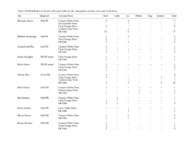
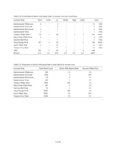
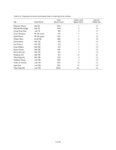
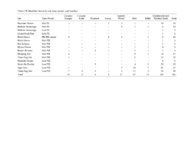
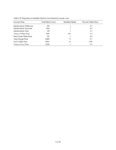
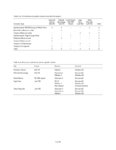
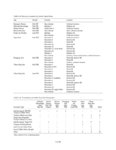
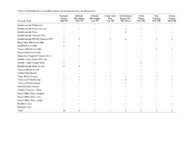
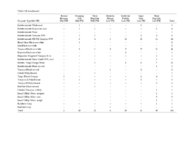
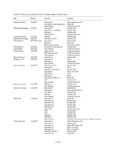
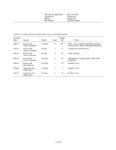
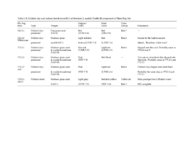
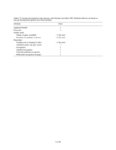
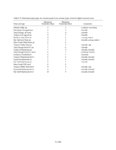
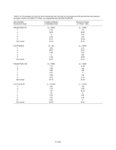
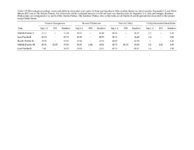
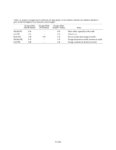
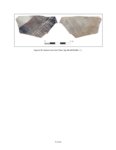
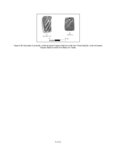
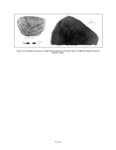
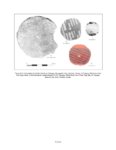
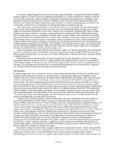
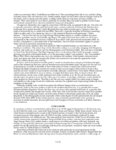
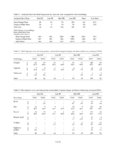
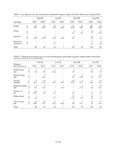
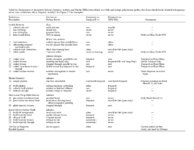
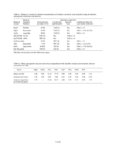
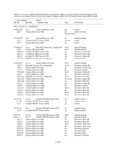
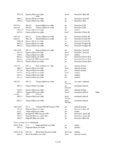
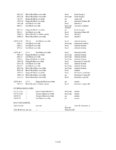
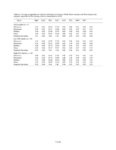
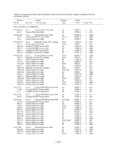
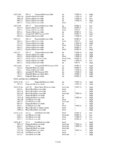
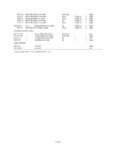
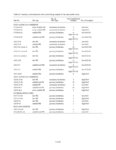
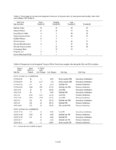
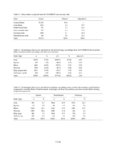
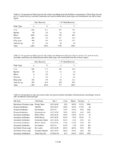
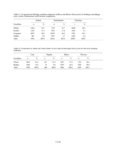
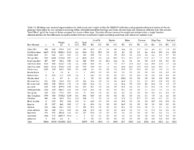
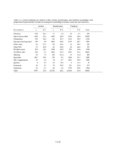
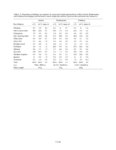
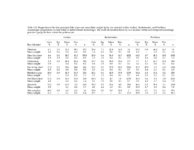
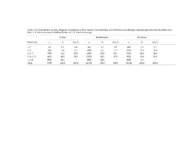
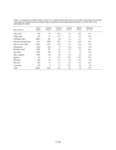
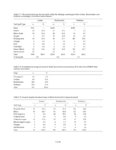
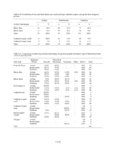
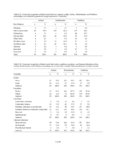
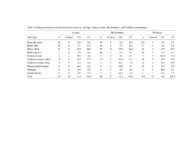
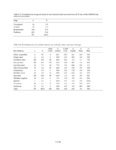
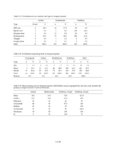
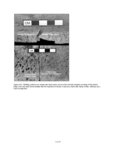
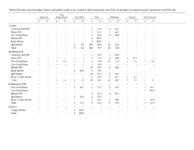
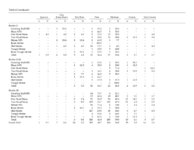
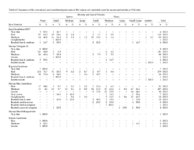
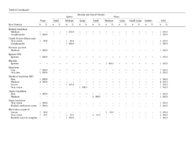
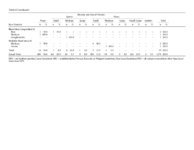
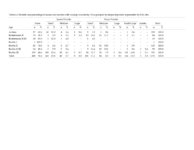
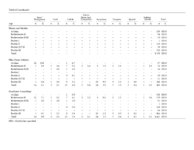
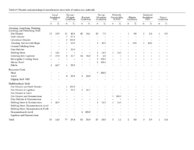
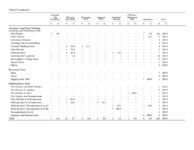
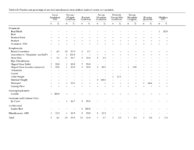
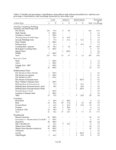
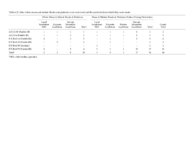
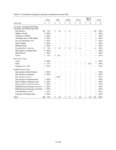
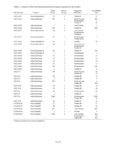
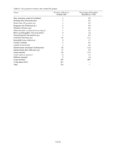
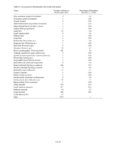
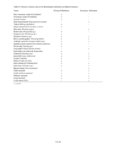
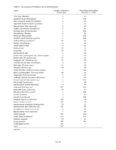
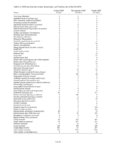
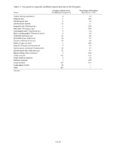
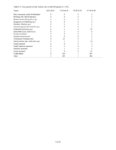
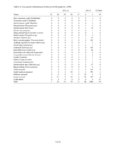
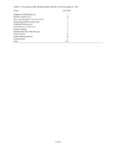
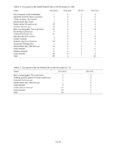
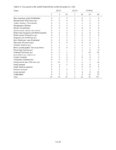
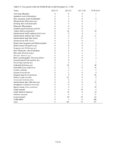
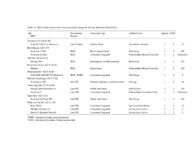
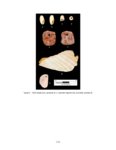
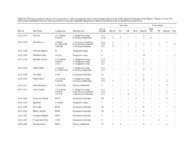
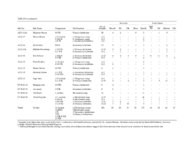
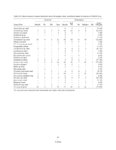
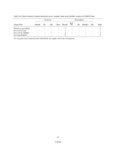
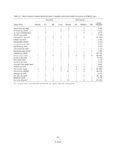
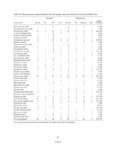
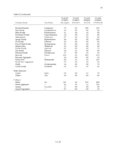
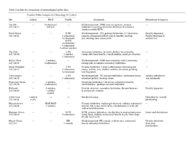
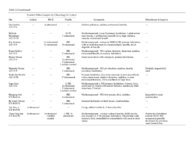
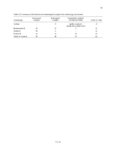
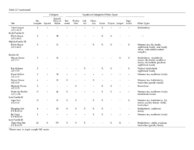
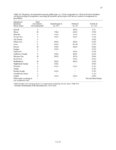
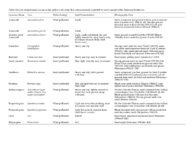
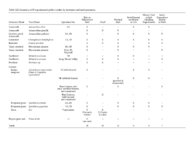
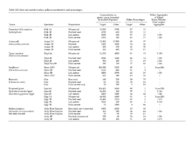
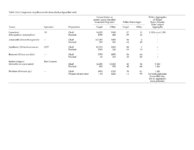
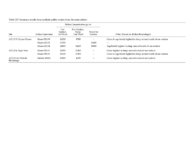
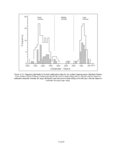
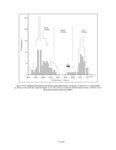
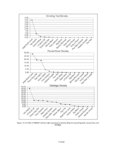
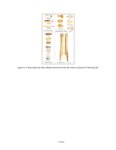
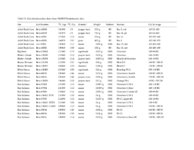
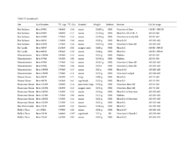
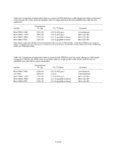
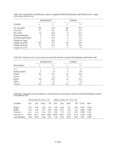
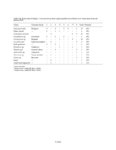
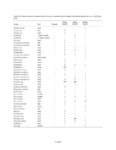
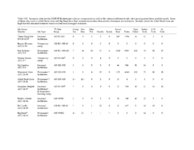
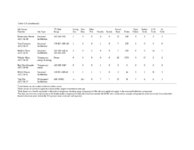
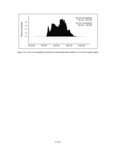
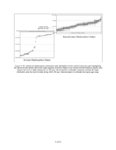
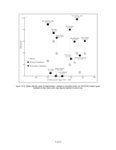
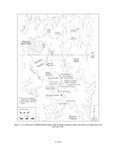
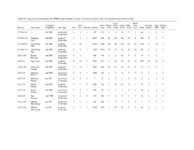
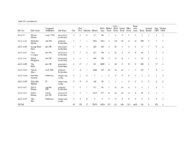
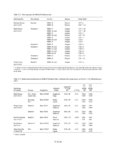
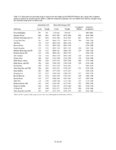
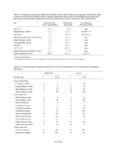
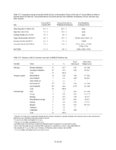
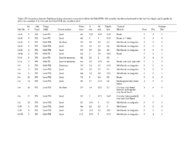
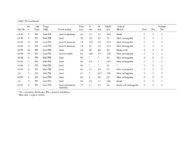
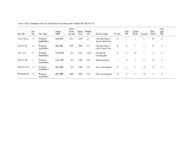
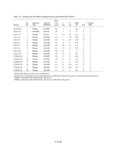
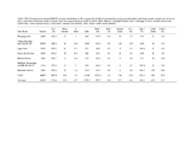
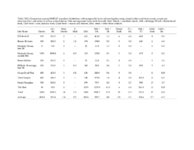
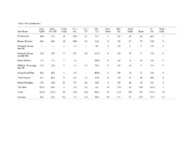
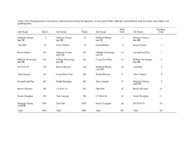
Show eliminated in standard chemical pretreatment. The results of this experiment (Table 13.5) show that the standing dead shrub was alive and respiring carbon after the start of atomic bomb testing in the 1950s. The sample contained more 14C than the 1950 reference standard. The fallen and partially decayed shrub was not enriched in radiocarbon so it must predate 1950; it returned an assay of 120 50 BP. The calibrated two-sigma range was AD 1670-1960. The modern samples provide initial confirmation of the suspected reason behind the evident trend for sagebrush samples to overestimate the age of a cultural event, an overestimation that can exceed the estimate provided by samples of tree wood from the same context. Sagebrush might have a particularly long "shelf life" as fuel in that it might take 50 years or more for a dead shrub to fall over and then hundreds of years before the wood is so sufficiently decayed and scattered that it would no longer be collected for burning. As a result, there is no reason to privilege carbonized sagebrush over that of tree wood for the radiocarbon dating of prehistoric features and indeed the reverse might be true. Other Plant Remains. The only obvious high-quality samples in the Archaic radiocarbon dates are from Atlatl Rock Cave, where dry conditions preserved various plant remains. Two of the three Archaic age dates from this site are on yucca leaves and the third is on grass. Yucca is not an annual plant, but it is moderately short lived with little chance for age overestimation when human harvesting of the leaves is evident-such as when used to make sandals. Other NMRAP Archaic dates that may not overestimate age or perhaps not to a great extent include six on small diameter twigs (exclusive of a dated sagebrush twig) and four on juniper seeds. There is also one date on sap, and although it represents the fluid of a living plant, once secreted this material can last for a considerable length of time in the open. As such it is difficult to know to what extent sap might overestimate age. Juniper seeds have the aura of being higher quality samples than wood charcoal, perhaps somewhat deservedly so, but the Hearth 13 comparison in Table 13.4 shows no difference between dates on wood charcoal and a juniper seed. Moreover, comparisons between dates on corn and juniper seeds from a Basketmaker II site (see Chapter 8 of Volume III) reveal the potential for modest discrepancies, with juniper seeds yielding ages that were 100-200 years older than maize dates. Small-diameter twigs, like juniper seeds, are not necessarily as high quality as they might appear. The truth to this is revealed by the tiny sagebrush twig of Hearth 4 at Three Dog Site, which yielded a date 230 years older than wood charcoal from the same hearth (see Table 13.4). The species represented by the twig is probably quite important as to whether or not it will overestimate age and by how much. Unfortunately the six twig samples reported in Table 13.3 were not identified prior to dating, although it is certain that they were not sagebrush. One clue to identification is provided by the delta 13C values. Two of the twigs have values of 11.1‰, which suggests that they might be annuals and as such unlikely to overestimate age. The delta values for the other twig samples are consistent with a woody plant. Whether or not age overestimation will occur with the twigs of a specific species, either shrub or tree, will probably require individual study, like was done above for sagebrush. Small-diameter twigs might provide accurate dates, but, as with much about radiocarbon dating, there are no easy fixes, no simple solutions. Obsidian Hydration Dating When Friedman and Smith (1960) first published their report on obsidian hydration dating (OHD) it seemed that archaeologists had a simple, inexpensive, and reliable method for dating artifacts and associated sites. It was widely embraced in regions where obsidian was abundant, such as California, the Columbia Plateau, and the Great Basin of the western United States and in Mesoamerica. Almost 40 years later Ridings (1996) trenchantly questioned, "where in the world does obsidian hydration work?" Not in northeast Arizona appears to be one answer. Samples of obsidian artifacts were submitted for hydration analysis as part of the NMRAP dating effort at Archaic sites. Appendix E presents the specialist's (Christopher Stevenson) report on the results of this effort. Here I discuss the findings relative to what is known of the sites, including radiocarbon dates, obsidian sources, and reduction technology. Background This is not the place to review the history of OHD and its underlying working assumptions- readers should consult recent articles by Anovitz et al. (1999), Friedman et al. (1997), Hull (2001), and Stevenson et al. (2000)-but some description and a few comments are in order. Friedman and Smith (1960) recognized that exposed surfaces of prehistoric obsidian artifacts had absorbed water, resulting in a hydrated layer or rim seen as a birefringent line when observed in thin section under a microscope. The width of hydration rims seemed dependent upon time, temperature, and V.13.17 |