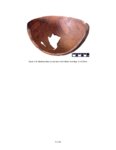
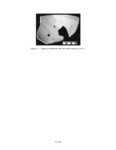
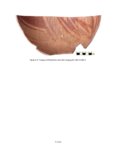
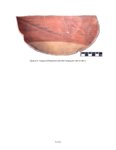
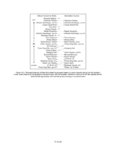
| OCR Text |
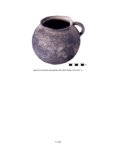
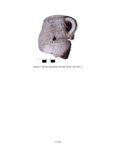
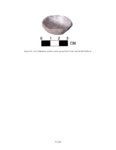
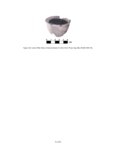
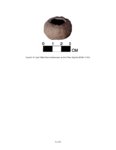
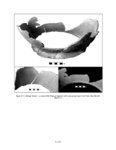
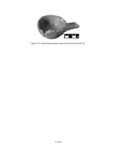
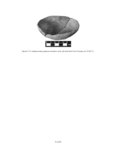
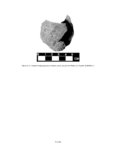
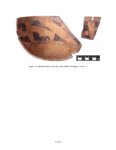
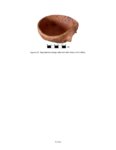
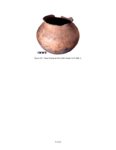
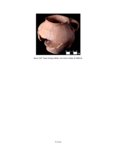
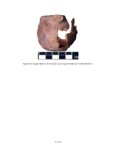
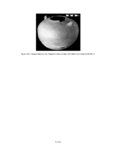
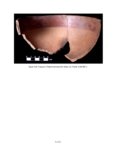
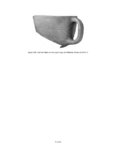
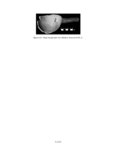
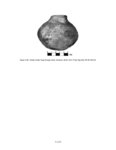
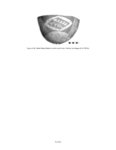
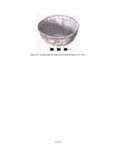
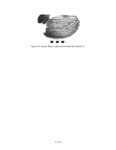
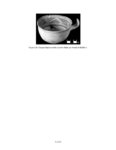
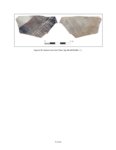
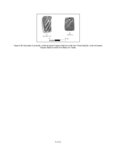
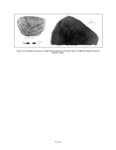
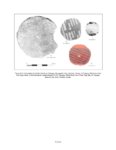
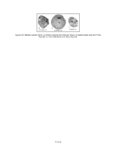
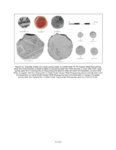
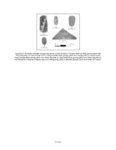
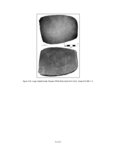
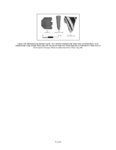
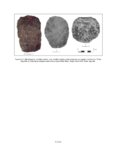
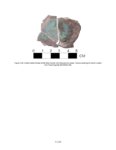
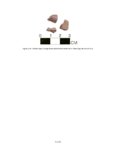
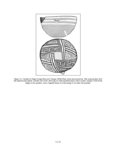
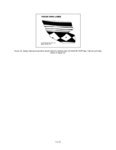
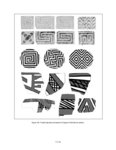
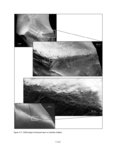
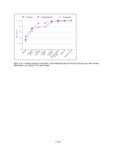
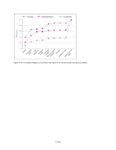
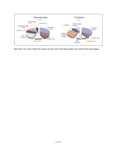
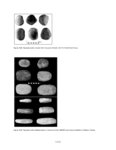
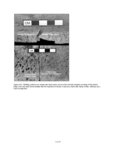
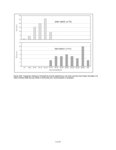
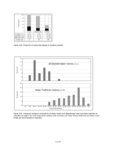
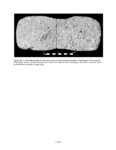
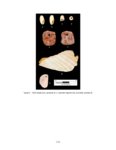
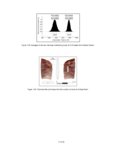
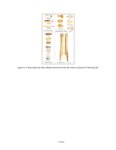
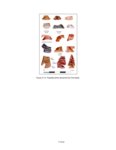
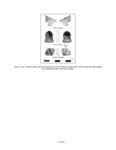
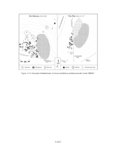
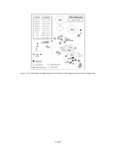
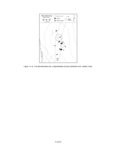
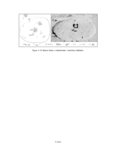
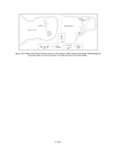
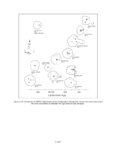
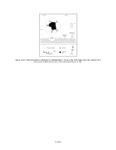
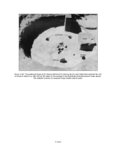
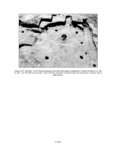
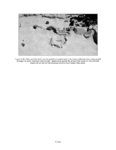
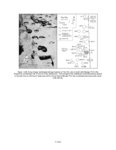
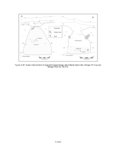
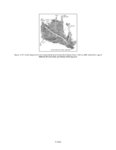
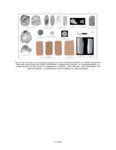
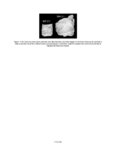
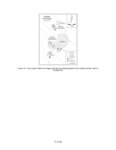
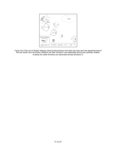
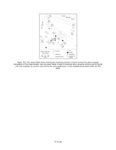
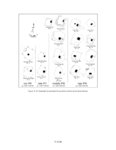
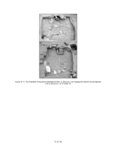
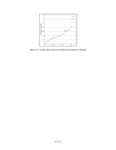
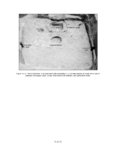
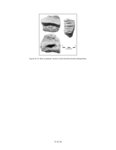
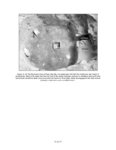
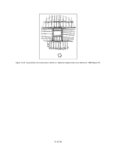
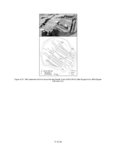
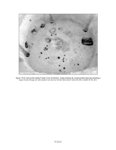
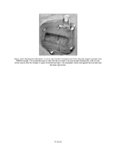
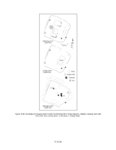
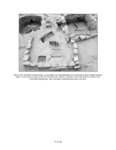
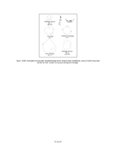
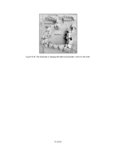
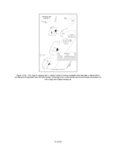
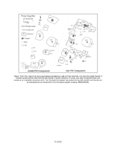
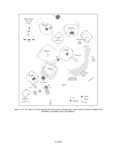
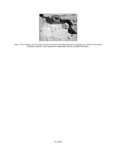
Show triple 2 mm wide framing lines above and below. The center of the interior base is unslipped. The exterior has a 2 cm wide band of red slip below and paralleling the rim. About 30 percent of a Kiet Siel Black-on-red cup or mug was recovered at Modesty House (PN 619; Figure 2.26). It has a straight sidewall and rim with a round lip, sherd temper, a light polish, red slip, and black paint. Wall thickness averages 4.3 mm, but no vessel dimensions could be estimated. Attachment points for a missing vertical strap handle suggest a handle about 6 cm long and 2 cm wide. Its original Munsell color is 2.5YR 6/6; a chip refired to 2.5YR 4/8 in color group Red 6. Its design is a corbelled band, with double 2 mm framing lines, and at least one thin line well below this band. Much of the design is sooted over and difficult to see. The sherd is sooted on both sides and over the rim. Soot is especially concentrated on and near the rim, on both sides. The sherd could have been used as a scoop for ashes, or perhaps it picked up the soot in some other way, but it is safe to say that it was not part of a vessel used for cooking. About 40 percent of a Tsegi Orange ladle was recovered at Modesty House (PN 579; Figure 2.27). It is lightly polished, has abundant sherd temper, and exhibits no paint. It has a straight sidewall and rim and a round lip. Wall thickness averages 3.9 mm. It was about 6 cm high but the oval shape and missing parts preclude measuring diameter or estimating volume. It has a round, hollow handle that was at least 12.4 cm long; the end is broken. Its original color ranges from 2.5YR 6/8 to 5YR 7/4; refired color is 5YR 6/8, color group YR 5. The ladle rim evidences abrasion on the right side of the bowl, if one holds the ladle facing the open bowl with the handle pointing down. This means it was held in the left hand when used, at least some of the time. The opposite edge is missing, so one can't say whether it was also used righthanded. It has a few small patches of soot on both surfaces, but no other residues and no chips. Three Dog Site (PN 766) yielded a Tsegi Orange bowl, sandstone-tempered Navajo Mountain variety, with a straight wall, incurved rim, and S-shaped lip. Only about half is present, and vessel dimensions cannot be estimated. The original color is 2.5YR 6/4. No sample from this piece was refired. It has one fire cloud on the exterior, about halfway down the vessel wall, and some light sooting on both surfaces with some exfoliation and some caliche deposits. It has no apparent chipping or abrasion or residues. There is no decoration. It has a soft paste even for Tsegi Orange Ware, which is always softer than whiteware. Both surfaces are polished. Wall thickness is 6 mm. Temper is white sandstone. An indeterminate Tsegi Orange Ware miniature pitcher, about 45 percent reconstructible, was recovered at Three Dog Site (PN 1003; Figure 2.28). It has an orifice diameter of about 4.2 mm and a 13 cm maximum diameter. It is 6.4 cm high and 4 mm thick. It has a patch of soot on the exterior lower wall near the base, and in the same position on the interior surface. Handle attachments were ground flat and the edge of the rim was ground smooth where it had broken. These modifications probably did not change the useful range of functions of the vessel, but perhaps simply smoothed sharp edges for more comfortable continued use. It has no visible decoration. In summary, whole vessels are extremely rare in these assemblages, but some patterns can be discerned. Tsegi Orange Ware vessels tend to have abraded bases (inside and outside) and surprisingly frequent sooty deposits on interior and exterior surfaces, and sometimes on broken edges. Some large sherds suggest reuse as ash scoops, cover sherds used in pottery firing, or some other pyrotechnic activity. We compared frequencies of sherds from vessels with open forms (mainly bowls, but including ladles and scoops) and vessels with restricted orifices (jars, pitchers, seed jars). Tsegi Orange Ware bowl/ladle sherds outnumber jar sherds by at least 3 to 1 in every time period, with more bowls in the Pueblo II assemblages (5:1) and somewhat fewer from the late Pueblo III period (3.32:1). Bowl rims are mainly straight, but some are flared and a few are incurved like later Hopi bowls. Jar and pitcher rim sherds suggest both wide and narrow neck forms. Ladles and seed jars appear rarely but regularly. Five perforated sherds, probably from "colanders," were identified. Thirty sherds from Tsegi Orange Ware miniature vessels were identified. The form and the surface finish of Tsegi Orange Ware vessels suggest serving, storage, and liquid transport and not cooking. Smoothed and polished fine-paste wares usually do not last long when used with fire. Nonetheless, a surprising number of Tsegi Orange Ware sherds and vessels have soot deposits. Soot on both sides of a sherd may simply indicate that it was caught in a structure fire, that it was discarded in a midden with burning embers from a hearth, or that somebody burned dinner inside a vessel while soot deposits accumulated on the outside. It is impossible to tell the difference in cause without resorting to expensive residue analysis. Soot on just the exterior surface suggests use over a fire, but in rare cases could also be due to accidents or to limited contact with discarded embers. For all vessel forms and time periods, the number of sherds with soot on both sides is greater than the number with soot on just the exterior. The proportion of Tsegi Orange Ware sherds with soot deposits on just the V.2.35 |