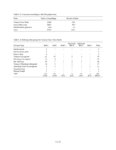
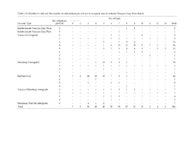
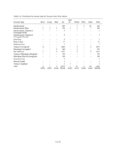
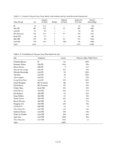
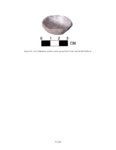
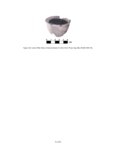
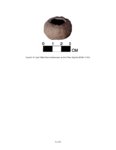
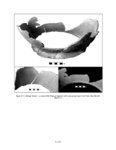
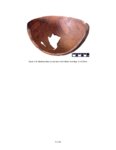
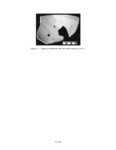
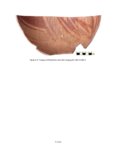
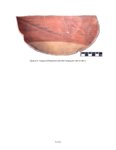
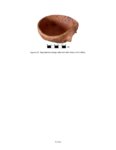
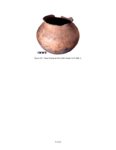
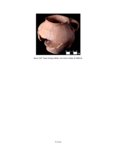
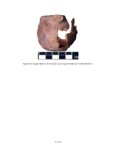
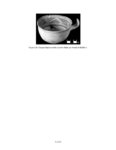
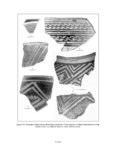
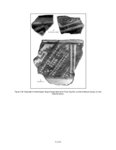
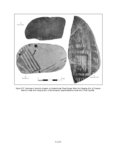
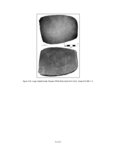
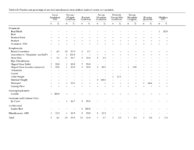
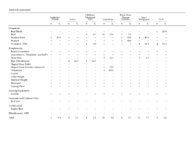
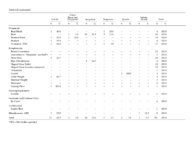
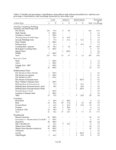
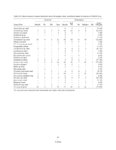
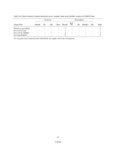
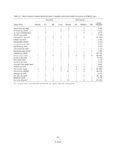
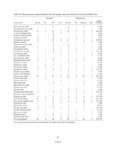
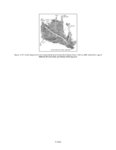
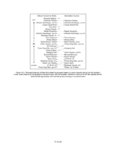
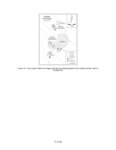
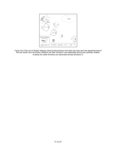
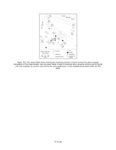
| OCR Text |
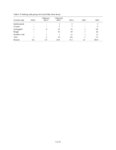
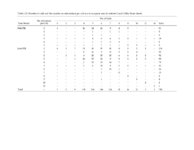
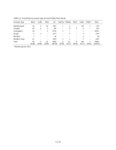
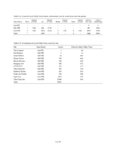
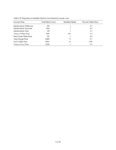
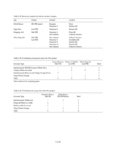
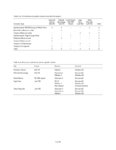
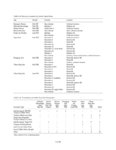
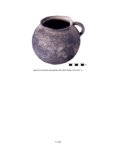
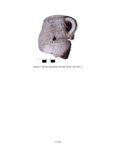
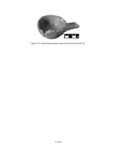
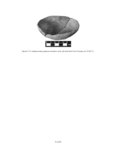
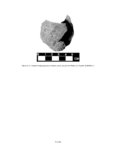
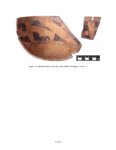
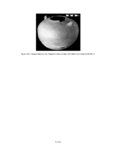
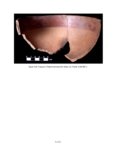
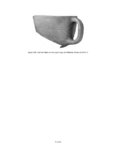
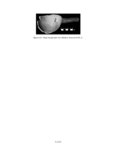
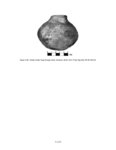
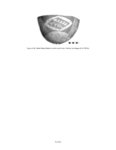
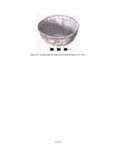
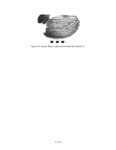
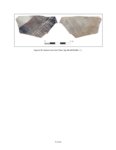
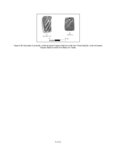
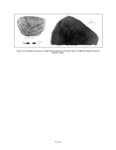
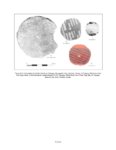
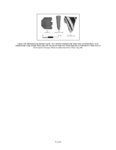
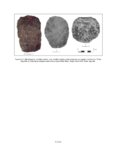
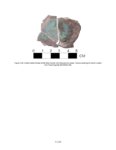
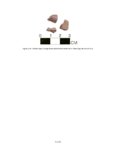
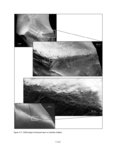
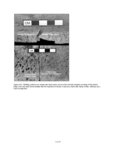
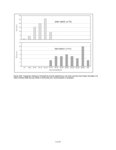
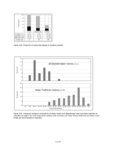
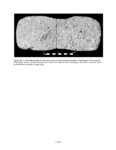
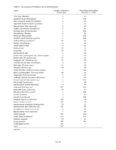
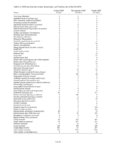
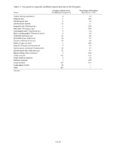
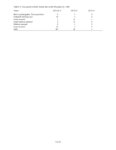
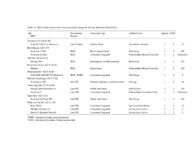
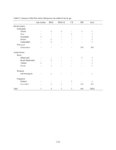
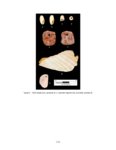
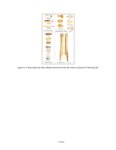
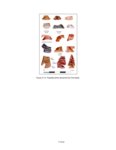
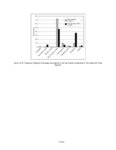
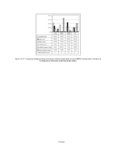
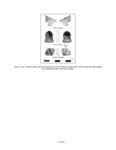
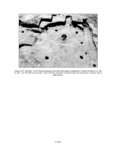
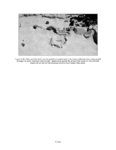
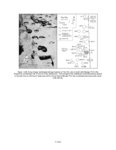
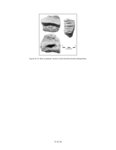
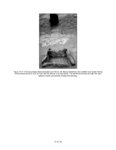
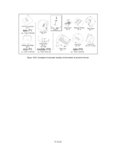
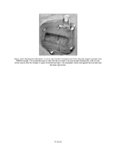
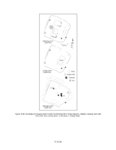
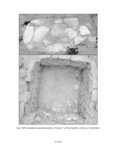
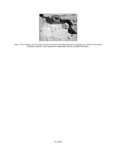
Show indentations visible. Surfaces on these sherds can be considered rough or ridged, a surface treatment noted on Rainbow Gray vessels. Many of the remaining sherds have partially obliterated surfaces. Coils and indentations are visible but are wiped, producing a rough or ridged surface. Some sherds were scraped or corrugated, and a few were polished. Corrugations included wide and narrow flat and clapboard bands, indented corrugations, and partially obliterated indented corrugations. Local potters, then, employed a wider range of surface treatments than Tusayan Gray Ware potters in the Pueblo III period, but their repertoires overlap considerably. Most indeterminate grayware sherds associated with middle Pueblo III contexts had coils visible but no indentations, and probably had flat or obliterated surfaces. In late Pueblo III contexts, most had coils but no indentations, but many have coils with two to three indentations per coil. Surface treatments include flat, indented, partially obliterated, and obliterated surfaces. Over time, both local and indeterminate utility pottery shows a tendency toward more coils, which is contrary to the trend seen in the Tusayan Gray Ware. Most sherds have no indentations per coil, but those with indentations show an increasing number per coil over time. This is most likely related to the rough or ridged surfaces seen in the Local Utility Ware, especially in Rainbow Gray. Therefore, local potters did not conserve labor by using fewer, larger coils, as Tusayan potters did, but some may have conserved labor by not indenting their corrugations. Again, local potters apparently employed a wider range of techniques. Jars dominate (98.7%) the utility ware assemblage, as in other Kayenta assemblages and elsewhere. Wide and narrow neck forms were recognized, based on rim and neck fragments. Many were used as cooking jars, based on the presence and location of sooting, particularly on exterior surfaces, but some jars may have been used for storage. Generally, wide-neck forms were used for cooking and narrow-neck forms for storage. Bowls, scoops, ladles, seed jars, pitchers, plates, and miniatures were noted for the Tusayan Gray and Local Utility Ware sherds. One of the Local Utility Ware bowl sherds had an incurving rim and another had a flaring rim. The indeterminate grayware sherds were from bowls, ladles, miniatures, and a pitcher. One of the bowl sherds had an incurving rim. Sherds identified as indeterminate were mostly handle fragments, but some were sherds with missing surfaces. There was also a modeled spindle whorl, classified as a Local Utility Ware. A few vessels had been recycled for other uses. The late Pueblo III component at Three Dog Site included four vessels that had been placed within storage pits. The primary function of these vessels was for cooking, but after breaking, large portions were recycled for use within storage pits. Reconstructible Utility Ware Vessels Tusayan Gray Ware Two Tusayan Gray Ware vessels were recovered at Ditch House. One (PN 627.1.1; Figure 2.6), associated with the mixed Pueblo II/Pueblo III component, is a complete Kiet Siel Gray pitcher with a short neck and strongly everted rim. Tempered with coarse sand (SAIII 1), it has a rough surface finish. It has a wall thickness of about 5 mm. It is 16 cm at its maximum diameter, and 14 cm high, and its opening is 8.5 cm. It weighs 577.5 grams. The handle, which extends from just below the rim to just above the maximum diameter, is 5 cm long and 2.5 cm from the vessel body. The volume, measured with water, is 1850 ml, but this vessel has an effective volume of 1750 ml (up to maximum constriction at opening). The Munsell color of the most oxidized part is white (N8). Because this vessel was complete, it was not nipped for the refiring study. Soot covers the entire exterior. The other Ditch House vessel (PN 657.1.1; Figure 2.7), associated with the middle Pueblo III component, is also a Kiet Siel Gray pitcher, approximately 40 percent complete. Coarse sand (SAIII 1) was added as temper. The surface is obliterated and rough. The vessel wall is fairly straight to just below the rim, where it rolls out slightly. The rim ha fingernail indentations. There is a repair hole near the rim. The vessel wall ranges in thickness from 3.3 to 4.5 mm, measured at seven different points. The original Munsell color is white (Gley 1 8/N). This vessel was not refired. Not enough of the vessel is present for measurement of dimensions or volume. The handle consists of two adjacent coils extending from just below the rim to the vessel body. Sooting occurs on the interior, exterior, and edges. Local Utility Ware Twelve whole or partially reconstructible Local Utility Ware vessels were recovered in the N16 project area. All but one came from Three Dog Site. Only one of the vessels from this site was associated with the middle Pueblo III component; the rest were associated with the late Pueblo III component. The Local Utility Ware vessel from Water Jar Pueblo (PN 720.1.1) is a small wide necked jar that is V.2.23 |