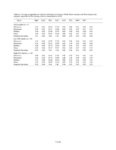
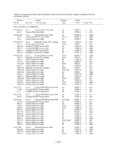
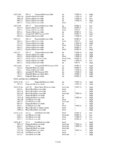
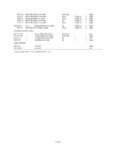
| OCR Text |
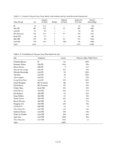
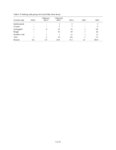
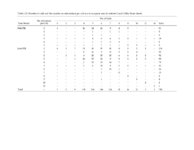
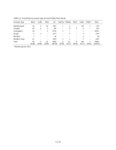
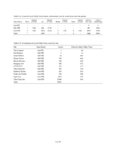
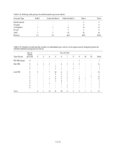
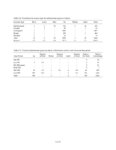
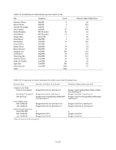
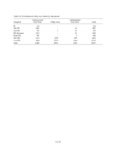
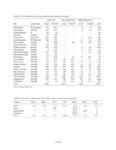
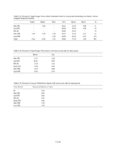
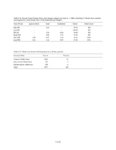
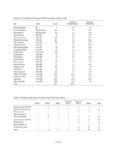
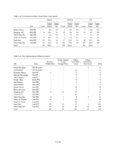
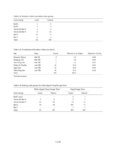
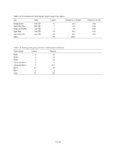
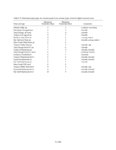
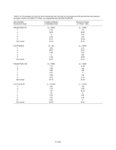
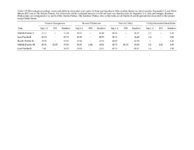
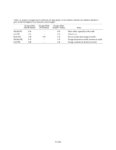
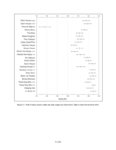
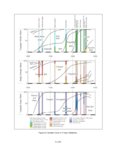
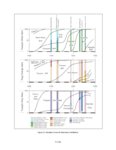
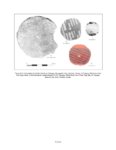
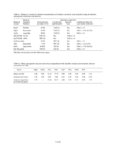
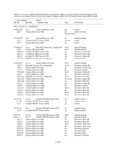
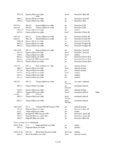
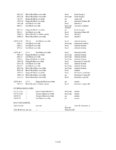
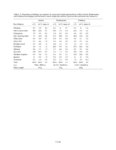
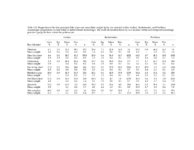
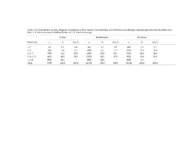
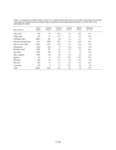
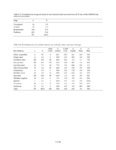
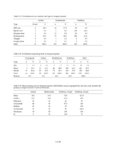
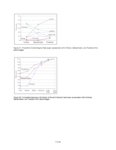
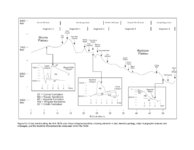
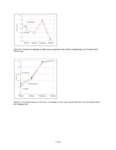
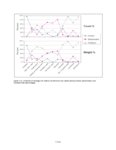
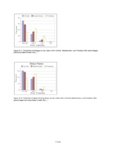
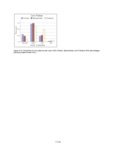
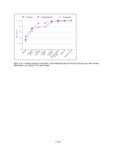
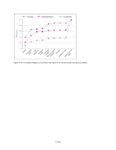
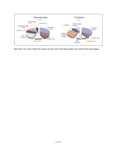
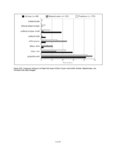
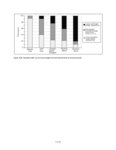
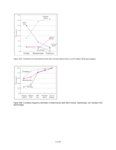
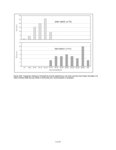
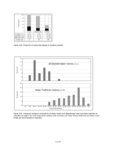
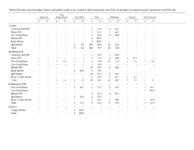
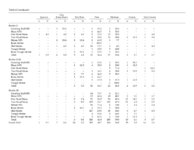
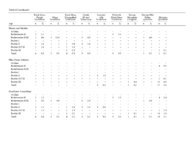
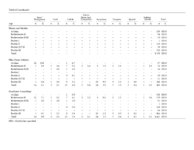
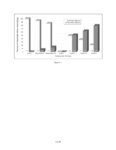
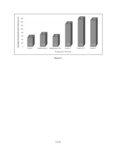
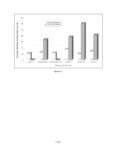
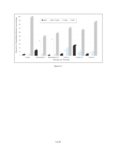
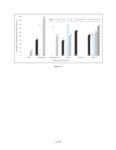
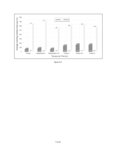
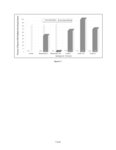
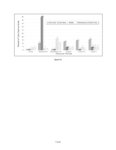
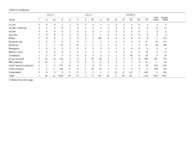
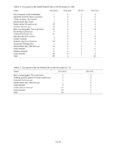
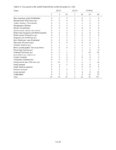
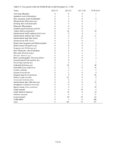
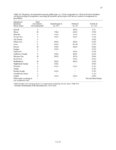
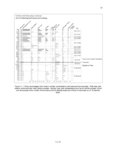
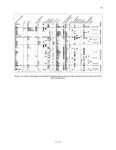
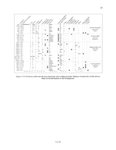
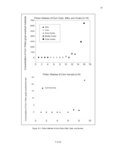
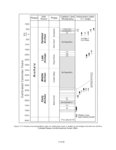
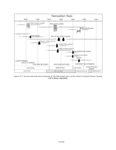
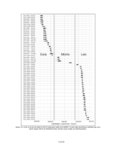
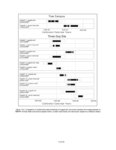
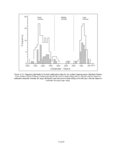
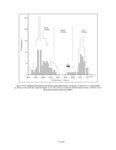
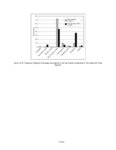
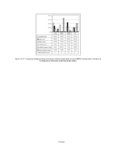
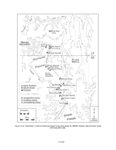
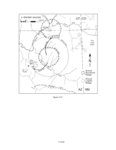
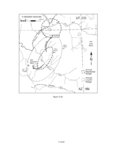
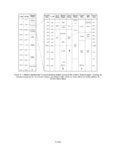
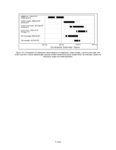
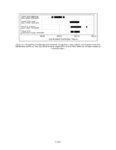
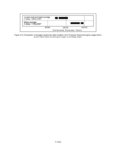
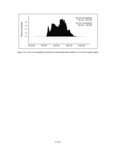
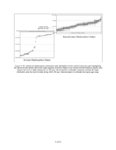
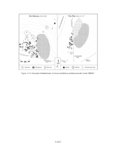
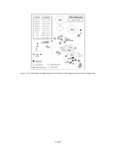
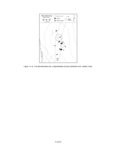
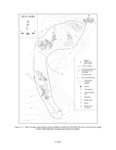
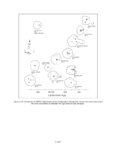
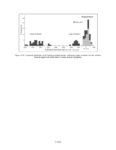
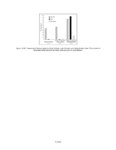
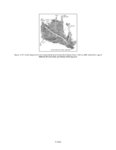
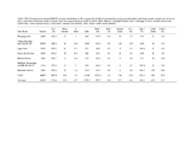
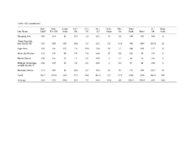
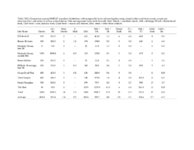
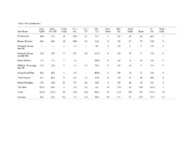
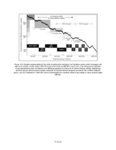
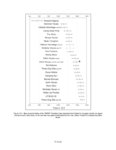
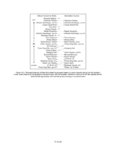
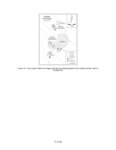
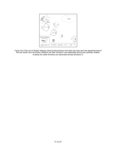
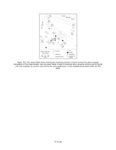
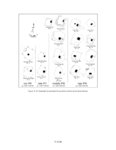
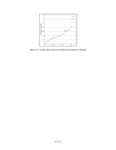
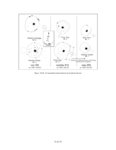
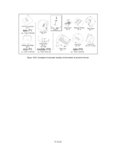
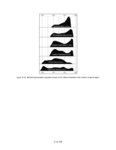
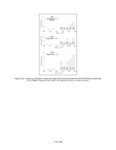
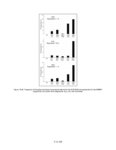
Show (2002; see also Plog 1986: Figure 43; cf. Hantman 1983; Layhe 1977, 1981; Swedlund and Sessions 1976). This helps to visualize that the late Pueblo II population abandonment of northern Black Mesa, something evidently underway before AD 1100 and precipitous thereafter, may have been a significant source of families that settled the northern Kayenta region beginning at about AD 1100. It is also important to point out that after AD 1150 most of the Kaibito Plateau except for right around White Mesa had been abandoned, as had the Paria Plateau and the Grand Canyon region (reviews in Fairley 1989, 2003; Lyneis 1996); thus the Pueblo III population surge evident in the northern Kayenta region need not be accounted for by internal growth alone and indeed such a case seems highly unlikely. The sample of residential sites excavated for the N16 ROW reveals a pattern of settlement history that appears remarkably consistent with the trend in population for the northern Kayenta region. Figure 15.45 shows a simple frequency histogram of sites/components by general ceramic period as represented by 50-year intervals. This figure excludes sites that could not be confidently placed within these time slots. The NMRAP sample is at the top (N16 Segments 3-6), followed by the previously reported sites excavated within Segments 1 and 2 of this ROW (Schroedl 1989) and the sum of both projects. The shaded bars are primary residential sites with the unshaded portions representing field houses or other limited activity sites. The previous chapter documents the excellent record of Basketmaker II habitation in the northern Kayenta region including sites that span the Basketmaker II-III transition as represented by the occurrence of Obelisk utility ware. The area appears to have been abandoned during what might be considered classic Basketmaker III, when Lino Black-on-white (Black-on-gray) was the predominant decorated type. There is also an absence of Pueblo I habitations; the one site assigned to this interval in the NMRAP sample appears to have served as a limited activity camp and might even date to the early Pueblo II period as discussed previously. Evidence of residential settlement begins during middle Pueblo II, at or shortly after AD 1050. This is represented by four primary residences-two of the NMRAP sample and two within Segments 1 and 2 (designated early Pueblo II in Schroedl 1989). The overall pattern shows an increase in primary residential sites through late Pueblo III. What is not so evident here is that in addition to an increase in site number there is a corresponding increase in site size and therefore probably population as well. Figure 15.46 shows frequency histograms for structure counts according to the same general temporal breaks as in Figure 15.45. This is a count of all structures rather than just those that are living rooms, and it includes all settlement types. This simplistic handling of data is used merely to indicate the overall general trend for the N16 sample, which shows an overall increase in room counts through time. The small dip in early Pueblo III is likely just a sampling problem; indeed had we been able to excavate the early Pueblo III habitation of Windy Mesa, this dip probably would have disappeared. For the time span considered here there is not a major differentiation in room function that could account for the increase in room number since the overall same suite of room types is found at settlements of each interval-living rooms, mealing rooms, kivas, storage/general activity rooms, granaries, ramadas. At full-blown Tsegi Phase habitations such as Segazlin Mesa there may well be an increased ratio of specialized grain storage rooms to other room types, but this does not appear true for the sites excavated in the N16 ROW. More so than the simple enumeration of sites per period, the graph of room counts is seen as reflecting a real trend of increasing population along the N16 ROW into late Pueblo III, mirroring the overall regional population trend for the Rainbow Plateau and the northern Kayenta region generally. V.15.53 |