| OCR Text |
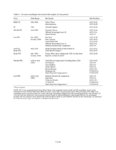
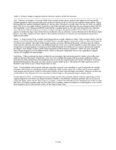
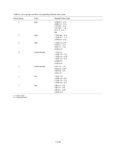
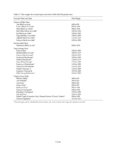
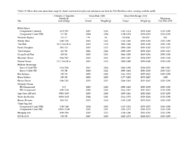
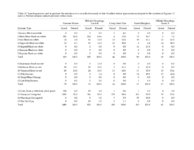
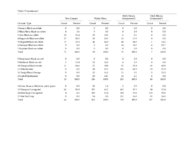
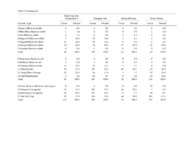
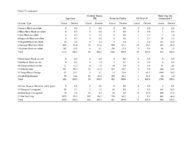
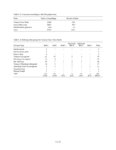
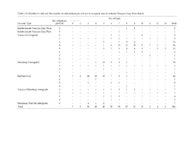
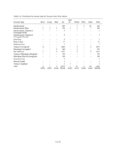
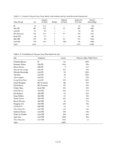
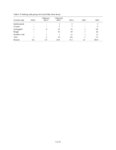
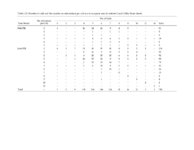
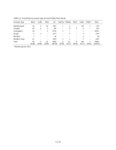
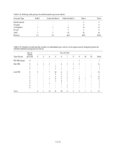
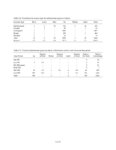
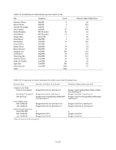
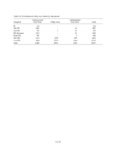
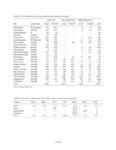
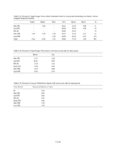
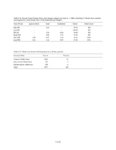
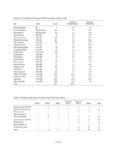
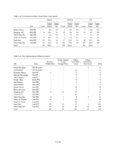
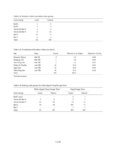
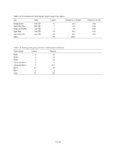
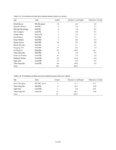
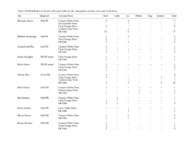
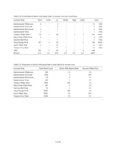
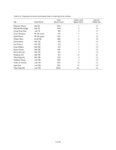
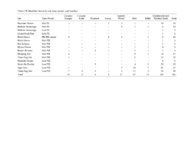
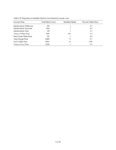
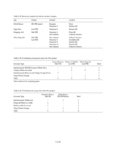
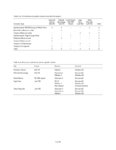
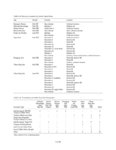
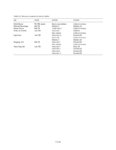
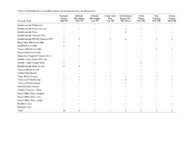
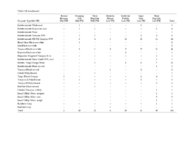
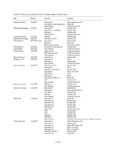
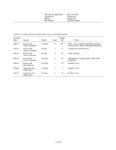
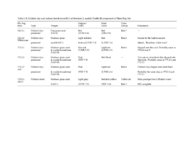
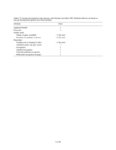
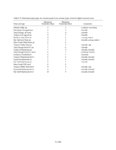
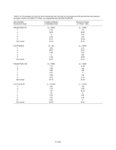
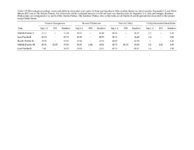
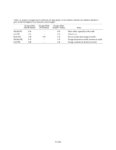
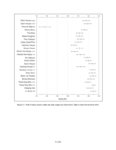
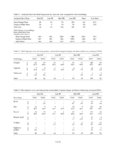
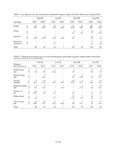
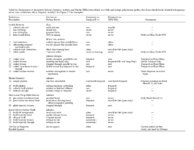
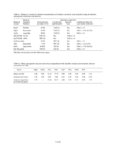
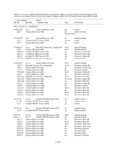
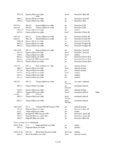
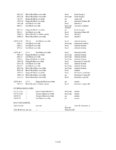
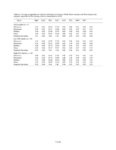
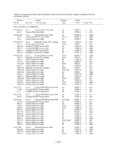
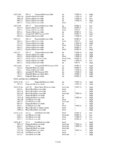
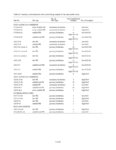
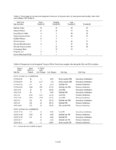
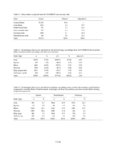
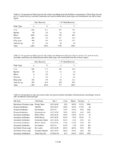
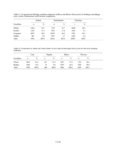
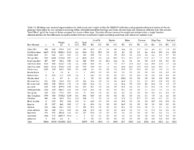
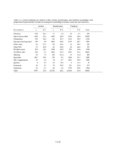
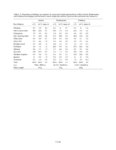
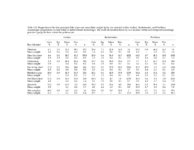
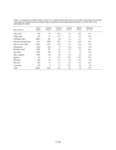
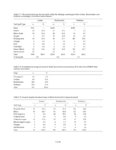
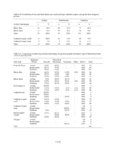
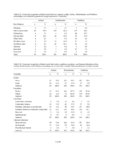
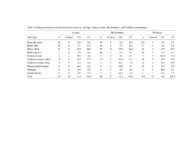
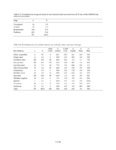
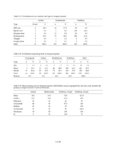
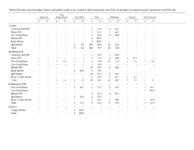
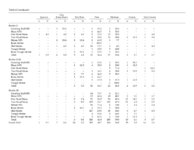
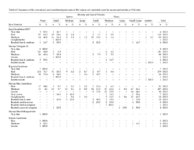
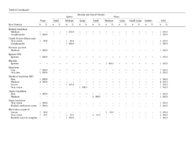
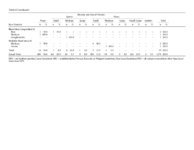
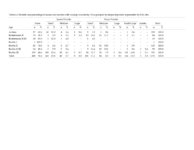
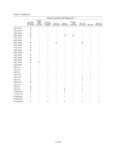
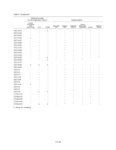
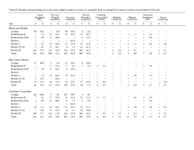
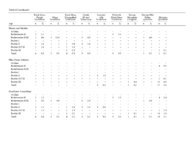
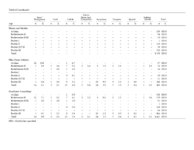
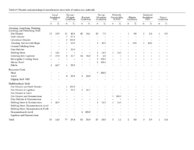
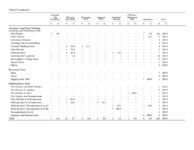
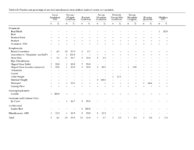
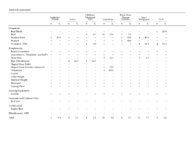
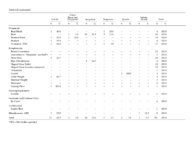
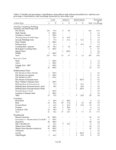
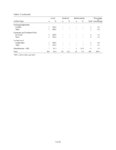
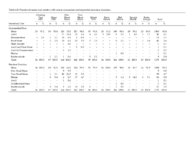
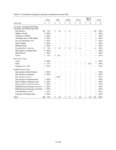
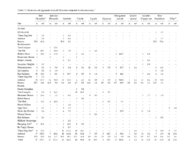
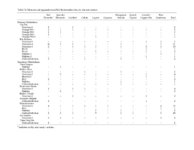
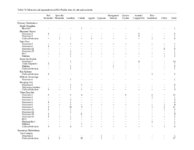
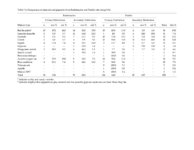
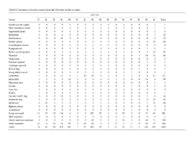
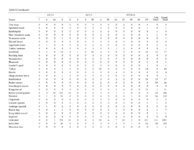
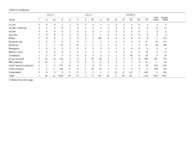
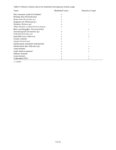
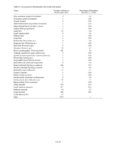
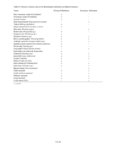
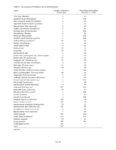
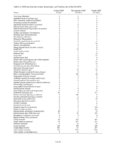
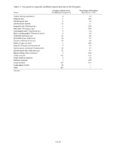
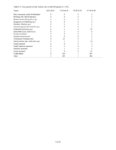
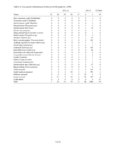
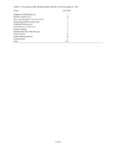
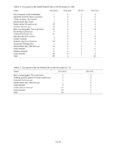
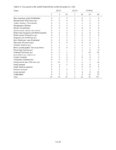
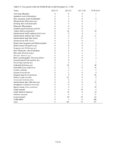
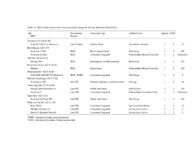
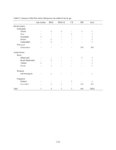
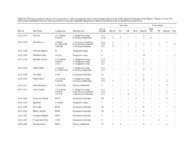
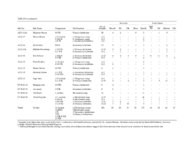
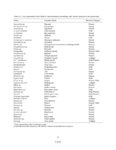
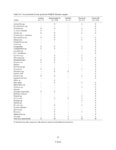
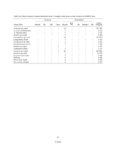
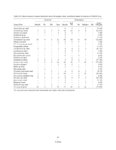
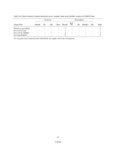
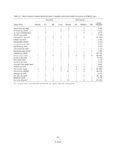
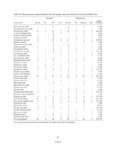
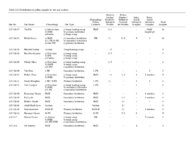
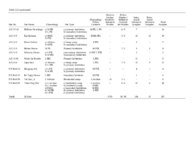
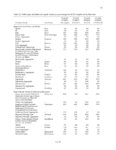
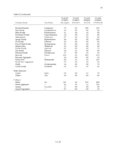
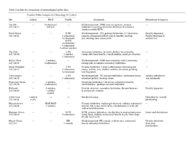
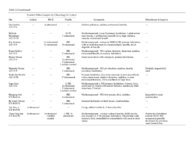
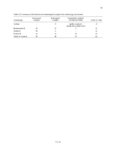
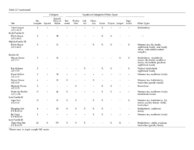
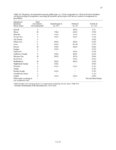
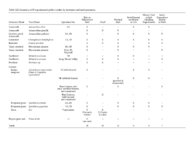
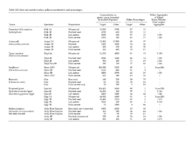
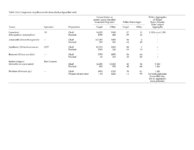
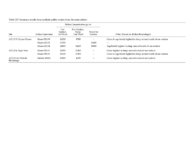
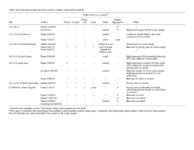
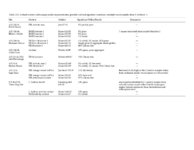
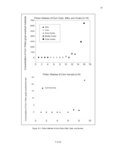
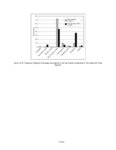
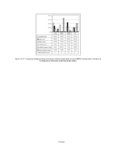
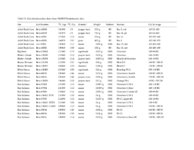
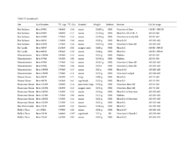
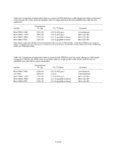
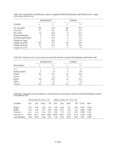
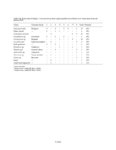
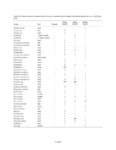
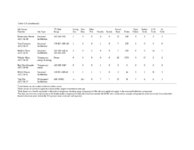
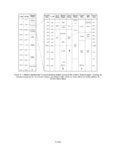
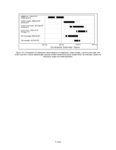
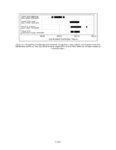
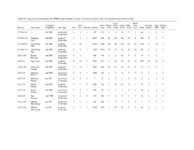
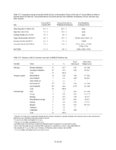
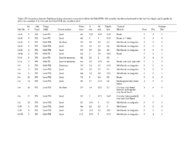
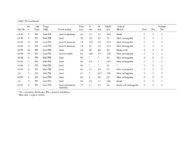
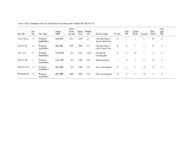
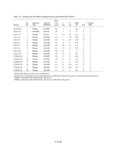
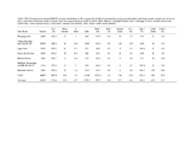
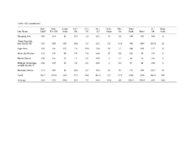
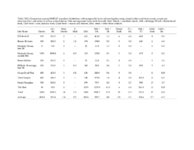
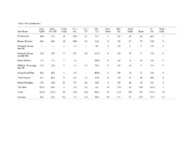
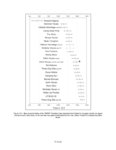
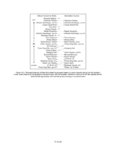
Show Cheno-Am is a catch-all category for seeds that might be either Chenopodium (goosefoot) or Amaranthus (pigweed). These plants occupy similar habitats and have similar economic uses. Seeds from these two plants are also quite similar to each other and when charred they can be difficult to differentiate. Disregarding the Pueblo I period due to small sample size, as noted, the Archaic period is represented by the smallest number of taxa, as might be expected given the site types excavated and the longevity of exposure. Conversely, the Pueblo III period is represented by the greatest number and diversity of taxa. This too might be expected given the number of samples analyzed, the types of sites and contexts excavated, and the fact that Pueblo III contexts were exposed to the elements for the least amount of time (although not significantly less). Archaic Period The 12 Archaic components within the 31 sites yielded 77 flotation samples for analysis (Table 10.4). Most of the Archaic components are associated with temporary camps that were used for hunting or processing, but two late Archaic residential camps at Navajo Mountain provided numerous samples. Almost all of the samples came from extramural hearths. Of the 11 taxa identified in the macrobotanical assemblage from Archaic components, Juniperus (juniper) is the most frequent, followed by Artemisia (sagebrush). Both taxa were present mainly as wood, with some occurrence of juniper seeds as well. The wood was undoubtedly being used for fuel, as was probably the case for all wood taxa. The juniper seeds, however, could have been either a byproduct of use of the wood or the actual target resource given that juniper seeds are documented as having economic importance (Rainey and Adams 2004). The same holds true for the pinyon nuts represented by nutshell fragments. The low number of nutshell fragments, however, suggests that these plant remains are most likely in the record as a result of the use of pinyon wood for fuel. Only one non-wood plant, Chenopodium (goosefoot), stands out as a gathered and important food resource; its seeds were found almost as frequently as sagebrush. One sample from a hearth at UT-B-63-39 (Three Dog Site), a multicomponent Archaic, Basketmaker II, and Pueblo III site, contained 800-900 goosefoot seeds, with several other hearths at the same site also containing high numbers of seeds. This frequent occurrence of goosefoot in Archaic contexts mirrors studies of other parts of the Colorado Plateau (Toll 1983; Van Ness and Hansen 1996), supporting the evidence that goosefoot was a commonly used food resource during the Archaic period. Notably absent from Archaic contexts is evidence of domesticates, such as maize or squash. There is evidence of these two domesticates at late Archaic sites elsewhere, but they were not found in Archaic contexts in the N16 corridor. Basketmaker II Period The Basketmaker II macrobotanical assemblage consists of the remains from 194 flotation samples from various contexts (Table 10.5). The diversity of contexts contributing to the assemblage increased dramatically from the previous Archaic period. The Basketmaker II period was represented by 14 components at the 31 sites, and the majority of these components were manifested as secondary or primary habitations. In general, habitations provide a better preservation environment for botanical remains than camps do. The diversity of taxa represented and the frequency of occurrence also increased dramatically, with 23 taxa identified from the samples. Most notable is the almost ubiquitous occurrence of maize, not so much found in every sample, but found in almost every type of context. In concert with maize is the frequent occurrence of goosefoot seeds. In addition there is a solid representation of Corispermum (bugseed) and Portulaca (purslane) seeds. Extramural features also produced adequate remains of Amaranthus (pigweed), Cycloloma (winged pigweed), and Oryzopsis hymenoides (Indian ricegrass). Juniper was still the most frequently occurring woody taxon, although pinyon and sagebrush also increased dramatically. The presence of some economic plants, such as Descurainia (tansy mustard) and Sphaleralcea (globe mallow), in only 1 of 194 samples suggests inadvertent inclusion in cultural contexts rather than representation of a targeted economic resource; nevertheless, all of the plants represented by reproductive parts and identified to the genus level that are noted in Table 10.5 (with the exception of Corispermum) are ethnographically documented as economically important plants (Rainey and Adams 2004), used mainly for food or medicine. Corispermum seeds are fairly common in archaeobotanical assemblages from Archaic through Pueblo III sites elsewhere in the greater Four Corner area, but there is no description of its use in the ethnobotanical literature. Given that Corispermum seeds have been found in coprolites (Winter and Hogan 1986), including in Basketmaker II feces of the Rainbow Plateau (Geib and Robins 2003), it is apparent that the plant was used for food. Pueblo I Period 6 V.10.6 |