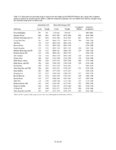
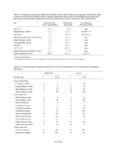
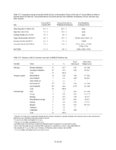
| OCR Text |
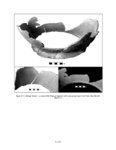
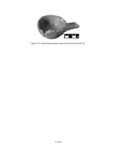
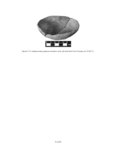
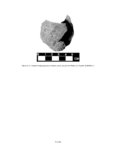
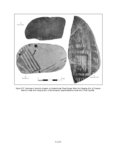
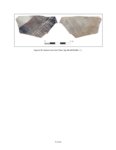
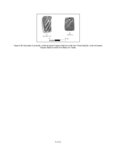
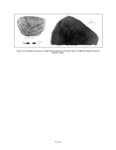
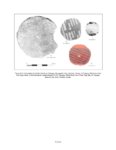
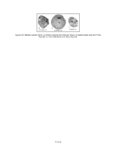
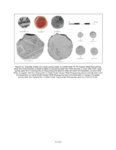
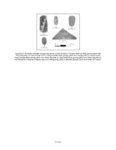
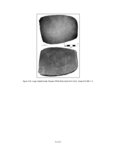
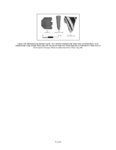
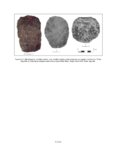
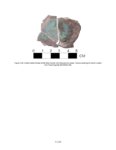
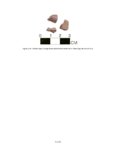
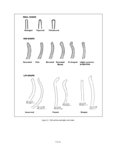
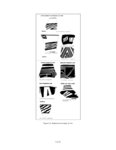
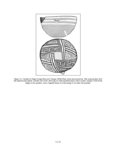
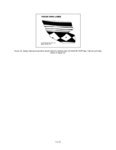
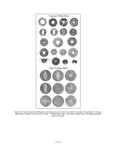
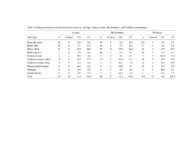
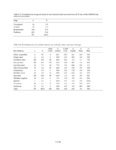
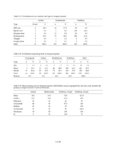
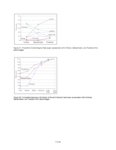
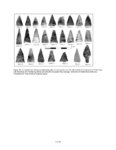
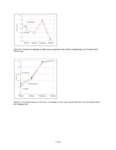
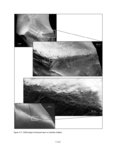
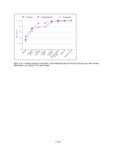
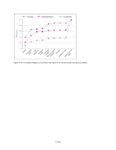
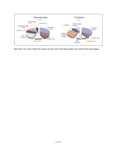
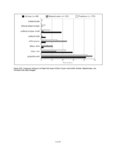
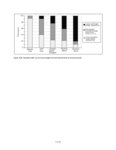
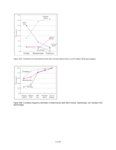
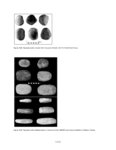
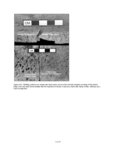
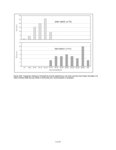
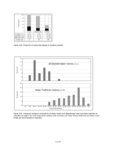
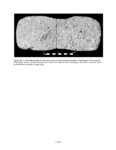
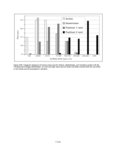
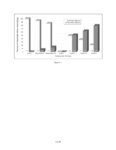
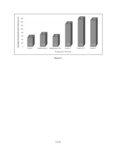
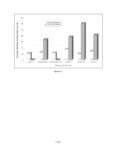
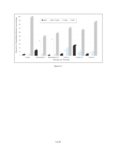
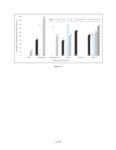
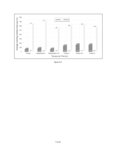
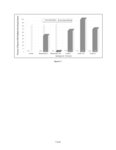
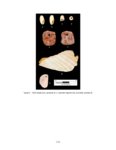
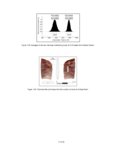
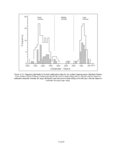
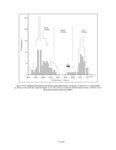
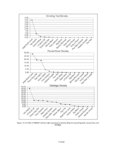
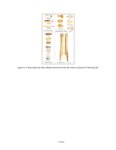
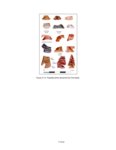
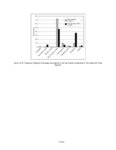
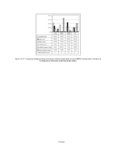
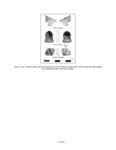
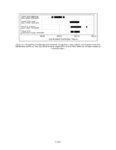
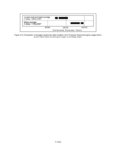
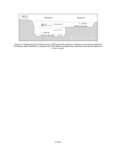
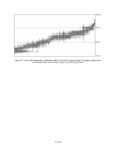
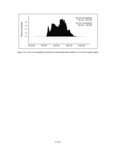
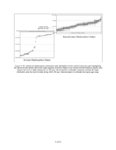
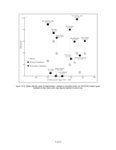
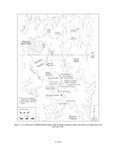
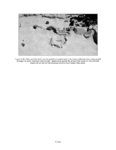
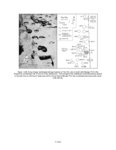
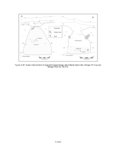
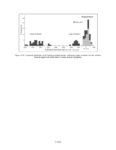
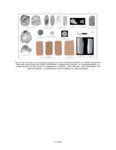
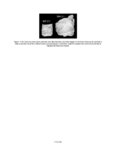
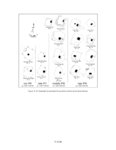
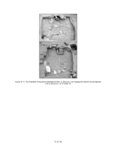
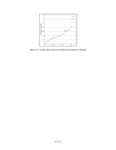
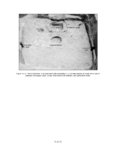
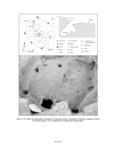
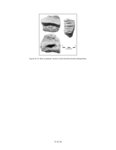
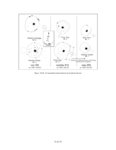
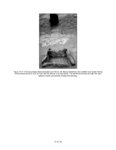
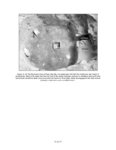
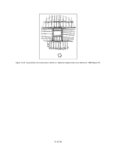
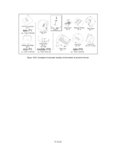
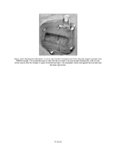
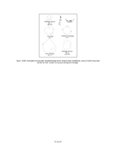
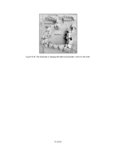
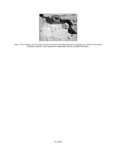
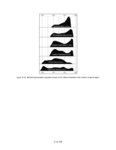
Show the type "used by people of less firmly established corn-eating habits." Basketmaker manos differ in general from those of the Archaic period in being larger and having more regularized plans and sections that derive from greater production input (Figure 5.30). A sandstone cobble was the starting point for both Archaic and Basketmaker manos, but besides somewhat different preferences for cobble size and shape (longer, wider, and somewhat thinner during the Basketmaker period), Basketmakers tended to shape their manos far more. Moreover, the use surfaces of Basketmaker manos tend to be gently convex and lack the pronounced rocker bevels of the Archaic period. The presence of a rocker bevel with Archaic manos suggests that even when an Archaic and Basketmaker mano are the same size and have the same grinding surface area, a smaller portion of the Archaic mano was regularly contacting the metate than was true with the Basketmaker mano because of its flatter cross-section (on any given stroke the Basketmaker mano had more surface area contacting the metate). Basketmaker manos were differentiated into those with oval and rectangular plan views, a distinction that perhaps has little significance beyond description. The Archaic and Basketmaker manos are small or one-hand varieties. Another identified type of onehand mano consists of those made by recycling some portion of a two-hand mano. Fifty-four of the N16 manos (8.7%) were classified as a one-hand recycled fragment of a two-hand mano. In some cases this even involved a 90-degree reorientation of the grinding use direction from what it had been originally. Recycled manos are identified by the abrasive rounding of the broken edge such as with the subtle example in Figure 5.27. Such recycled fragments might have been used for purposes other than the original two-hand forms, although not necessarily, but at the very least they could have been used with entirely different metates. There are also nondescript forms of one-hand manos including examples that appear to involve expedient use of local sandstone blocks without any formal shaping. Two-hand manos all tend to come from Puebloan sites although only manos that have a faceted or "airfoil" cross-section are considered definitely Puebloan in style. As Bartlett (1933) noted long ago, the facets develop because greater force is exerted on the trailing edge during the push stroke when grinding. Faceted manos first appeared in any appreciable number during Pueblo II and were quite common during Pueblo III. Bartlett and several authors after her have shown how manos with a rectangular crosssection become faceted through use, but not all rectangular manos end this way as evidenced by some examples of exceedingly thin and exhausted rectangular manos and by the occurrence of some rectangular manos in coarse and conglomeritic grain sizes that are not found in faceted manos. Other types of two-hand manos were recognized based on cross-sections that ranged from trapezoidal to Dshaped and with thick and thin versions of various cross-section types. The interpretive significance of the various two-hand types is open to debate, but certainly some of them must have had different roles in food processing, such as use of robust blocks of coarse grain materials for the initial cracking of maize kernels and the faceted manos for more advanced grinding to flour. Mano Size and Surface Area At a most basic level, manos were dichotomized as either small (one hand) or large (two hand). The point of separation is in some sense arbitrary and becomes most problematic with Basketmaker assemblages where manos can straddle the line between small and large forms. For this study we used 15 to 16 cm as the approximate interval of separation. The one- and two-hand designation so commonly applied by archaeologists is just a convenient alternative name for these two size classes; efficient use of large manos requires two hands, and most one-hand manos can be effectively used with two hands (e.g., Euler and Dobyns 1988:254, 256; Gould et al. 1971:164), especially in the case of Basketmaker-style manos. Archaicstyle cobble manos, which are generally quite small, can be grasped with two hands during use, but also can be proficiently used with just a single hand with the other used for body support and with positioning the seed being processed. Figure 5.32 shows the frequency histograms of mano length for tools classified as one-hand and two-hand types. This figure only includes finished manos that are whole or refit whole and not exhausted or recycled. In creating the size groups for this figure, manos with lengths exactly at the boundaries, such as 8 and 10 cm, were added to the larger group. Overlap occurs in the 14-16 cm size group, but with all three of the two-hand manos of this group measuring more than 15 cm long. Fewer two-hand than one-hand manos are whole for the simple reason that the former are more likely to break, with the portions, or at least the largest portion, then recycled. The proportion of one-hand and two-hand manos by temporal period is shown in Figure 5.33 along with the sample size. As expected based on previous findings, the N16 Archaic assemblage only includes one hand manos. The longest whole mano from an Archaic site measures 12.5 cm, with the next largest two measuring 11.6 and 10.1 cm. These are all from late Archaic sites at the foot of Navajo Mountain. Manos in the early Archaic assemblage from Dust Devil Cave averaged less than 10 in maximum V.5.37 |