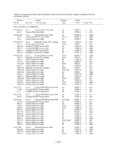
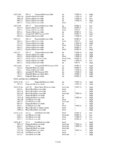
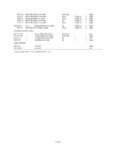
| OCR Text |
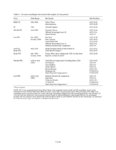
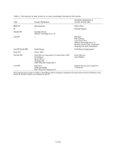
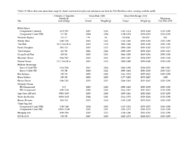
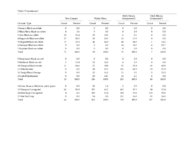
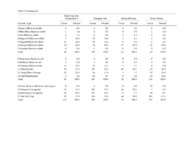
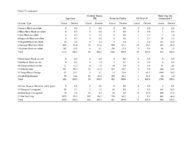
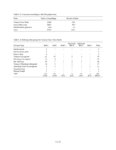
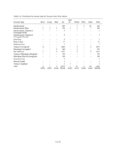
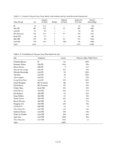
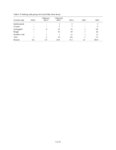
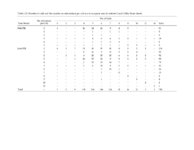
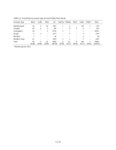
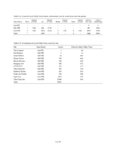
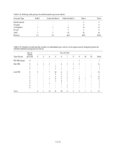
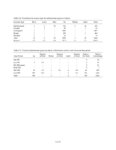
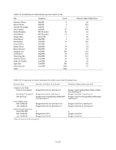
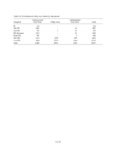
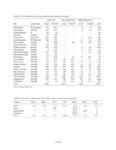
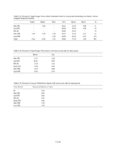
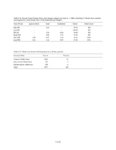
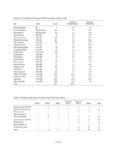
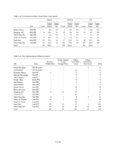
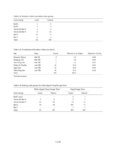
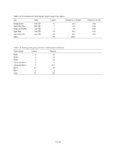
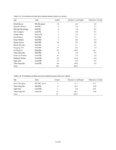
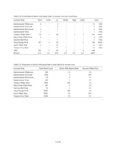
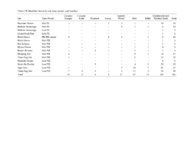
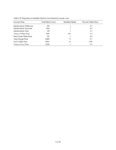
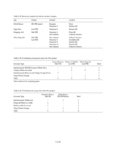
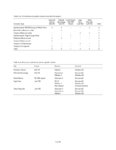
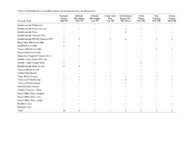
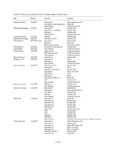
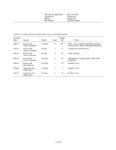
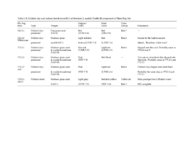
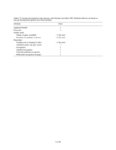
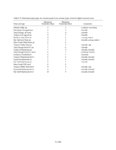
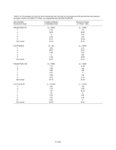
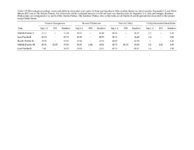
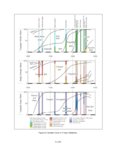
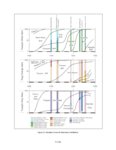
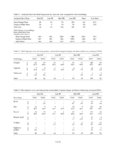
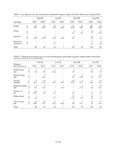
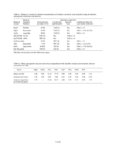
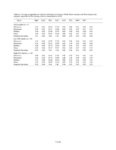
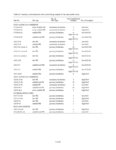
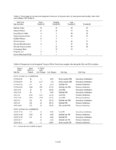
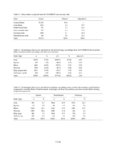
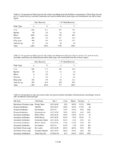
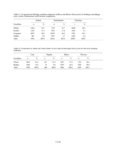
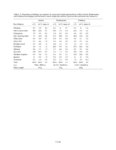
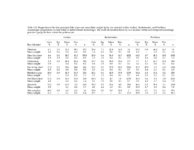
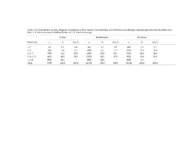
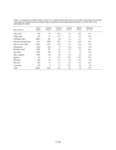
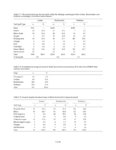
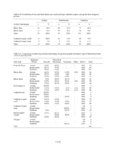
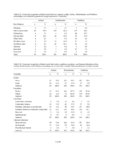
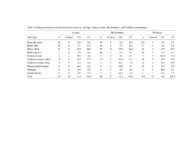
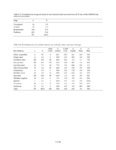
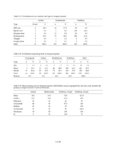
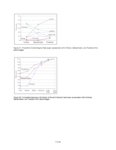
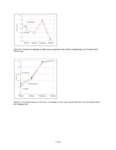
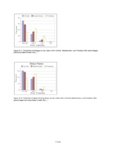
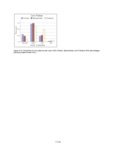
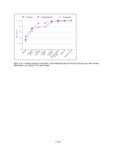
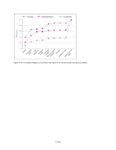
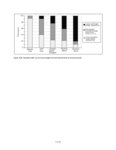
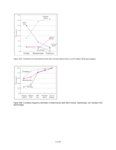
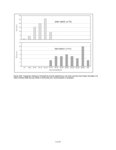
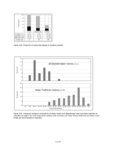
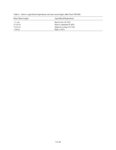
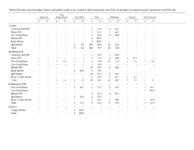
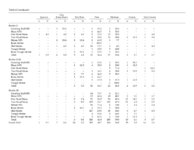
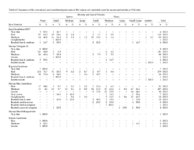
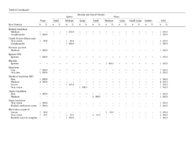
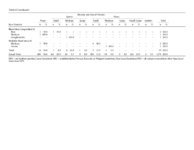
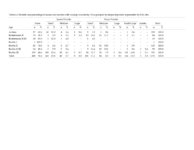
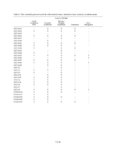
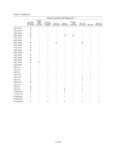
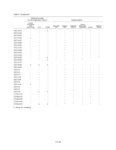
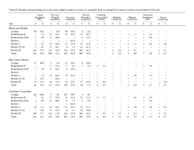
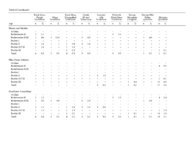
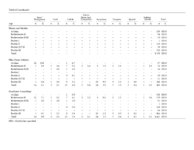
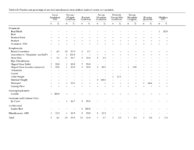
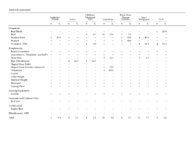
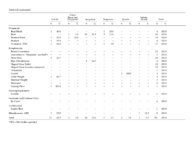
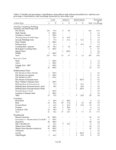
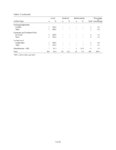
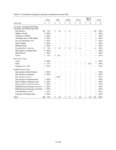
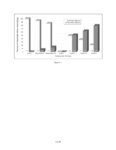
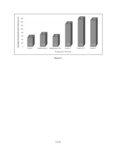
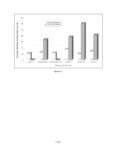
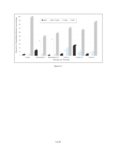
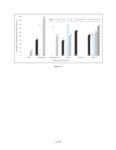
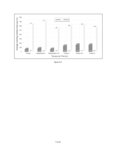
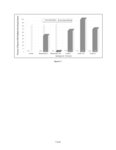
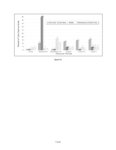
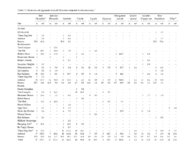
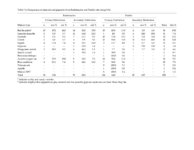
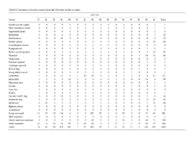
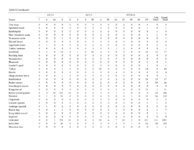
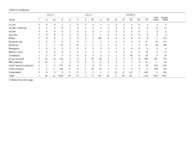
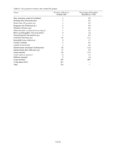
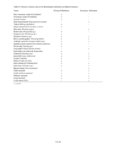
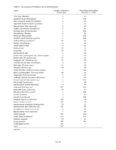
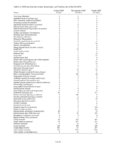
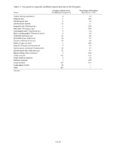
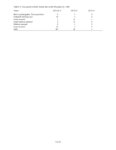
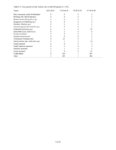
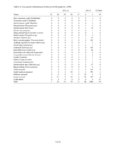
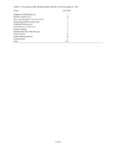
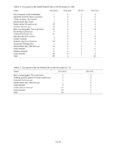
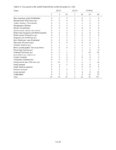
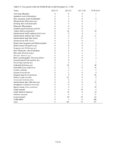
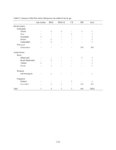
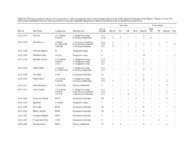
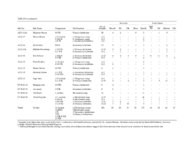
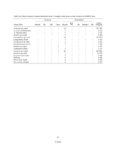
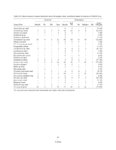
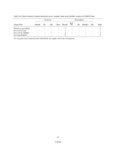
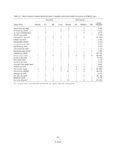
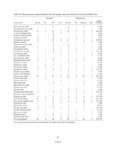
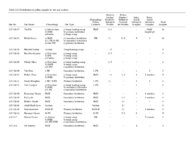
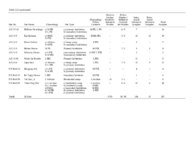
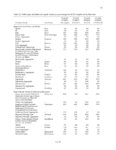
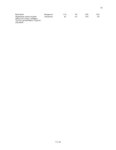
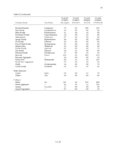
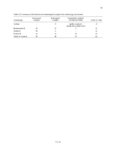
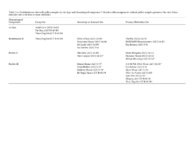
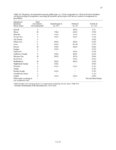
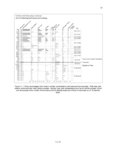
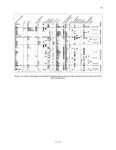
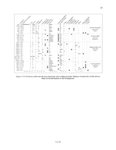
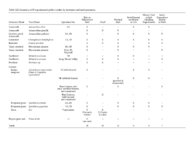
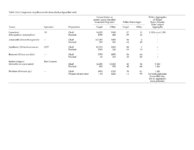
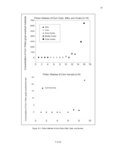
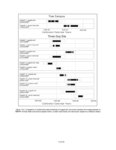
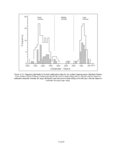
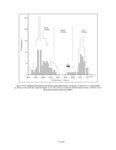
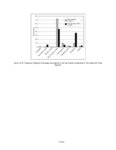
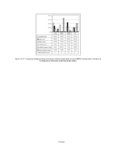
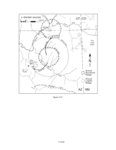
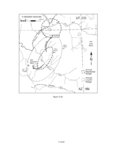
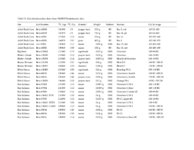
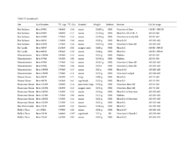
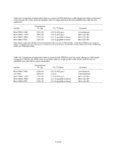
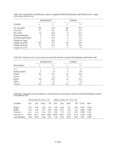
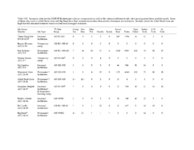
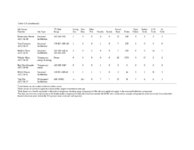
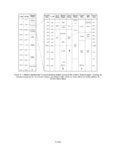
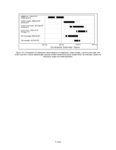
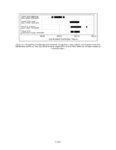
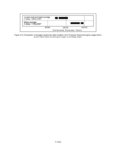
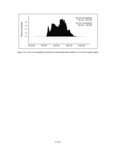
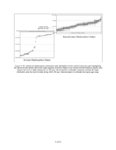
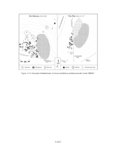
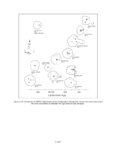
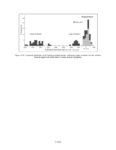
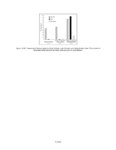
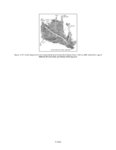
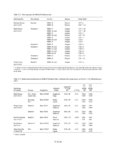
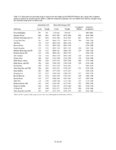
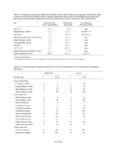
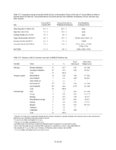
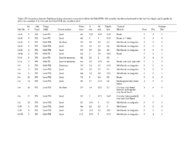
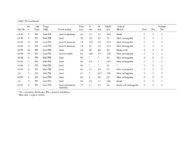
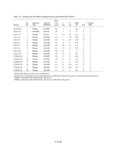
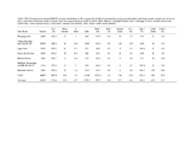
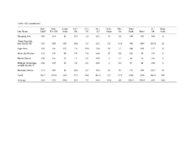
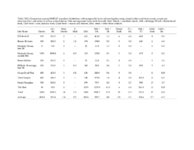
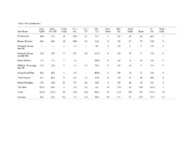
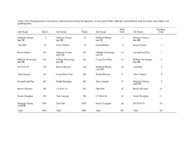
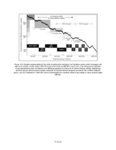
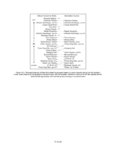
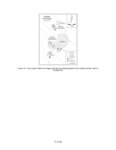
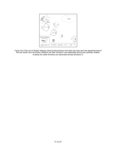
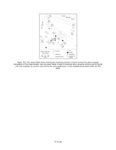
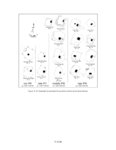
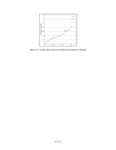
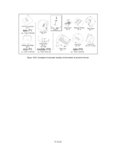
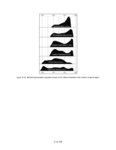
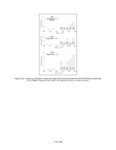
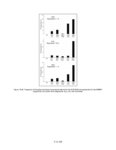
Show Temporal Patterns The utility of flake types for making inferences about reduction behavior is easily appreciated by examining the NMRAP flake type data according to the three gross temporal periods that characterize the site sample (Table 5.3). Figures 5.1 and 5.2 depict these results in two separate ways: 5.1 uses the percentage data of Table 5.3 and Figure 5.2 provides a cumulative frequency distribution. The flake types for each of the three periods are quite distinct and in many respects the Basketmaker assemblage appears to be "transitional" between the Archaic and Puebloan extremes. The Archaic assemblage is characterized by a large proportion of biface and pressure flakes, which combined account for more than 80 percent of the classified flakes. Core reduction flakes comprise less than 10 percent of the Archaic assemblage. This stands in marked contrast to the Puebloan assemblage where core flakes comprise more than half of the classified flakes, with biface and pressure flakes accounting for less than 30 percent. The Basketmaker assemblage is somewhat like the Puebloan assemblage because of a moderately high proportion of core flakes (almost 40%), but also somewhat like the Archaic assemblage because of the incidence of biface and pressure flakes. The highest proportion of edge preparation flakes, at almost 20 percent, occurs in the Basketmaker assemblage. The latter might not be a general trend in that the single Basketmaker habitation of Kin Kahuna, which yielded 40 percent of all Basketmaker flakes, also accounts for 68 percent of all edge preparation flakes. Transition to Agriculture and Flake Technology Parry and Kelly (1987:303) argued that an evident decrease in bifacial tools and biface thinning flakes relative to unstandardized cores and core flakes in various parts of the New World, including the Southwest, was "closely correlated to a shift to sedentism and the first documented occupation of permanent nucleated villages." This is a case of high-investment, portable, and reusable tools of mobile hunter-gatherers giving way to the expedient, heavier, throwaway tools of sedentary agricultural groups. Residential mobility or the lack thereof was seen as a key underlying reason for this change in technology. As people became more settled on the landscape, the value of portability and raw material economy in bifaces and other formal tools (Parry and Kelly's [1987:303] "more potential cutting edge per unit weight") did not balance out against production costs. Because sedentary groups could stockpile material at their residences, the places of primary tool use, there was little need to conserve raw material or be concerned about weight, so simple unretouched flakes from unpatterned cores were an efficient alternative to bifacial technology. The relationship between different degrees of residential mobility and simple core technology vis-àvis biface technology (and other formal tools) is clearly seen in the NNMRAP flake data of Table 5.3 and most clearly illustrated in the cumulative frequency distribution of Figure 5.2. Indeed, the data presented here would have been an excellent addition to Parry and Kelly's presentation because the patterns are based on such large sample sizes and include the aspect of bipolar reduction, which the authors mention as one of the "unstandardized procedures" for making flakes for expedient use (1987:303) but for which they lacked Southwestern data. There may still be disagreement on the extent of residential permanence among the Kayenta Anasazi (see Powell 1983 and discussion in Chapter 15 of this volume), but few would argue that Puebloans of the area did not have greatly reduced residential mobility compared to local Archaic foragers. For the purposes of this discussion, it is reasonable to assume that the Archaic and Puebloan periods represent different ends of the residential mobility continuum for the NMRAP study area. This is not to suggest that there was not great variation in this characteristic within each period, but Puebloans overall had far greater residential permanence than Archaic foragers. As such, the marked difference between Archaic and Puebloan flake type cumulative frequency distributions appears to provide strong corroboration of Parry and Kelly's argument. The first two flake types of this graph represent the "unstandardized procedures" that Parry and Kelly see as common among sedentary populations. Both flake types provide dramatic separation of the Puebloan and Archaic assemblages; the Basketmaker II assemblage is between these two but more like that of the Puebloan period. With the next two flake types, which represent facially retouched formal tools, the Archaic assemblage profile actually soars above that of the Puebloan period. Of course, "technology is not directly related to mobility, but to the subsistence and foraging strategies that, in turn, affect mobility" (Vierra 1995:23). In this case, the contrast is between Archaic foragers on the one hand and Basketmaker II and Puebloan farmer-foragers on the other hand. Given that the Basketmaker assemblage occupies the space between Archaic and Puebloan assemblages, it is tempting to posit that this is a simple reflection of the intermediate status of Basketmakers with regard to settlement organization and inextricably linked subsistence practices. The argument would be that Basketmakers were on the road to becoming Puebloan farmers as was assumed by the original V.5.11 |