| OCR Text |
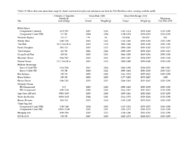
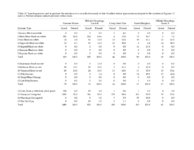
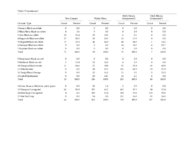
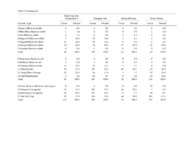
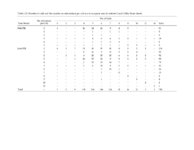
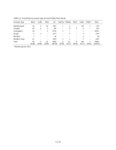
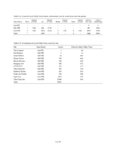
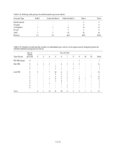
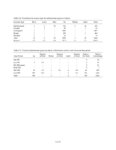
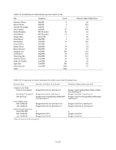
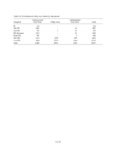
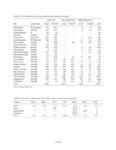
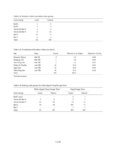
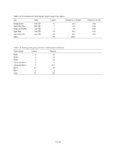
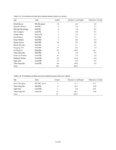
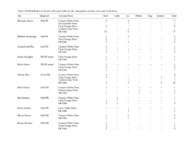
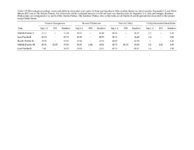
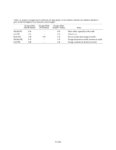
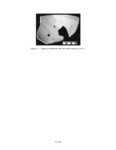
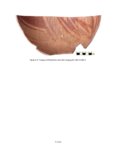
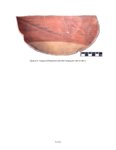
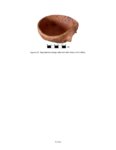
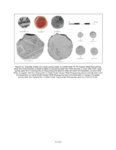
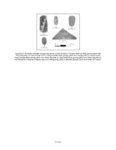
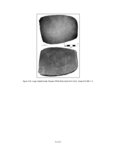
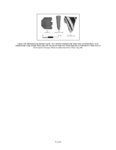
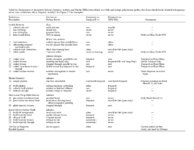
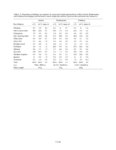
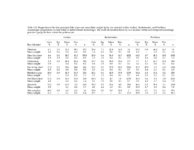
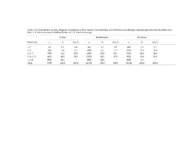
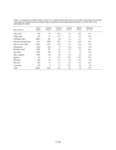
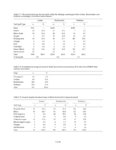
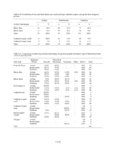
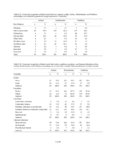
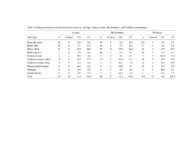
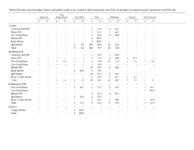
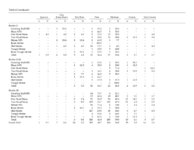
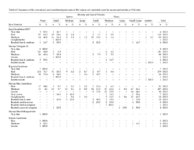
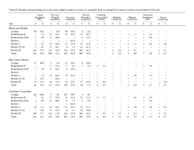
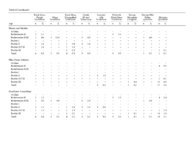
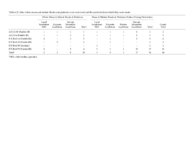
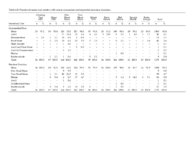
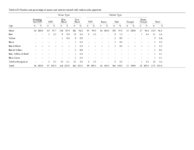
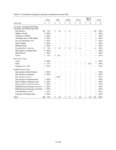
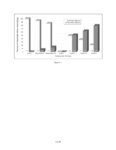
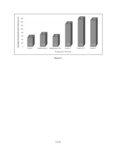
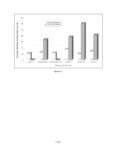
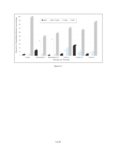
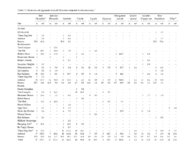
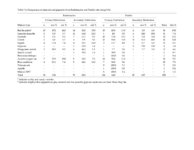
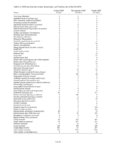
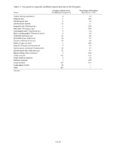
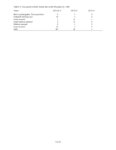
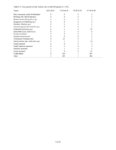
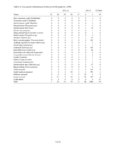
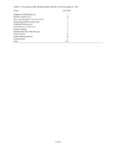
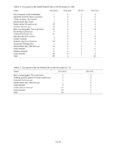
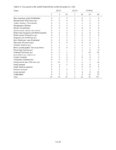
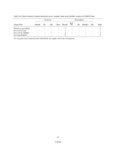
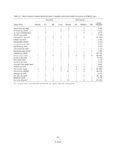
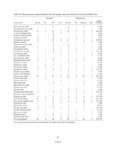
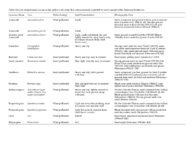
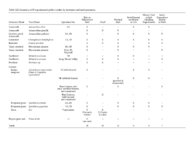
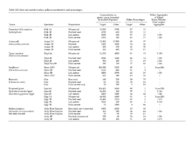
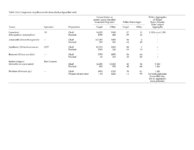
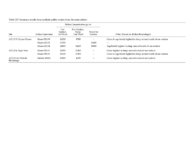
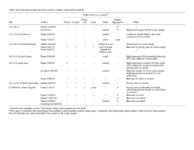
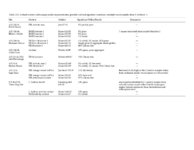
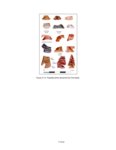
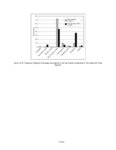
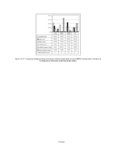
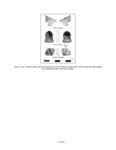
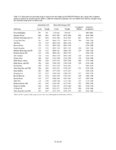
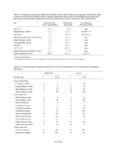
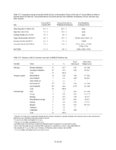
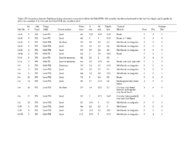
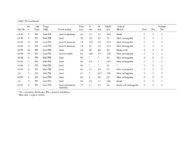
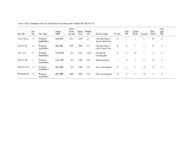
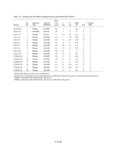
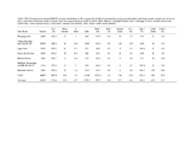
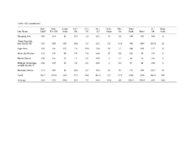
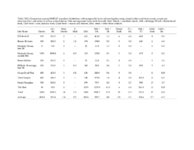
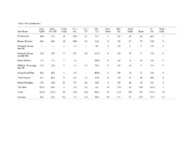
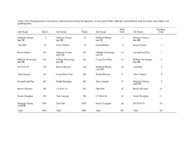
Show appear to be poorly finished and poorly fired expedient efforts that are consistent with the wide variety of locally available materials. Apparently, no one way of making whiteware pottery prevailed. This period of experimentation may have occurred as potters sought to fill the gap left by shifting trade networks when some of the Tusayan White Ware source areas to the south were abandoned in the 1100s. Undoubtedly, a considerable amount of Tusayan White Ware was still being made in Klethla and Long House Valleys, and the majority of whiteware pottery in the study area was still imported from that area. It is possible that disruption of earlier trade networks ultimately led to local experimentation with whiteware production as well as to shifts in these trade networks. It is also possible that immigrants arrived on the Rainbow Plateau from the north, bringing different pottery techniques with them, and perhaps bringing a few exotic vessels along. Late Pueblo III assemblages have more unclassified whiteware and show stronger patterns. In the first part of this section, we discussed unclassified whiteware by formal category. Here, we discuss assemblages site by site. Water Jar Pueblo yielded 70 whiteware sherds that do not fit the traditional Tusayan and Mesa Verde White Ware categories. The vast majority of unidentified whiteware sherds here (50) have sandstone temper. Most of these have sandstone with abundant white matrix, identical to that found in Rainbow Gray. Two have some crushed sherd in addition, and eight have other inclusions in addition to sandstone. Three have sandstone with no apparent matrix. All except two are from jars; there is one bowl body sherd and one sherd whose form could not be determined. Paste color ranges from dark gray to brown to orangish. Again, the color range is similar to Rainbow Gray. Most of this pottery was probably prepared with the same paste used to make utility ware, then smoothed and slipped. Slip tends to be grayish white, sometimes crackled, and variable from thin to thick. Most lack paint. When paint is present, it appears to be faded carbon paint. Design style could not be discerned. Ten sherds have sherd temper. These represent both jars and bowls, probably nine different vessels. Two, probably from the same bowl, are the white-slipped Tsegi Orange Ware. The paste color and texture of the rest is varied. Nine sherds have some form of quartz sand temper, most with other inclusions, such as multilithic sand, gray angular fragments, or a small amount of crushed sherd. Paste color and texture is quite varied. Most have some kind of slip, but surface treatment varies. One has crackled tan-colored slip the same color as its paste, several have thick white slip, and some have grayish slip. Few have paint. When paint occurs, it is organic, often oxidized to a faded orange shadow. These sherds are mostly from jars, but there is one bowl rim sherd with an incurving rim, as is typical of late 1200s bowl shapes. One sherd, temper not identifiable, is probably a badly burned and spalled piece of Tusayan White Ware, but the rest may be locally made. Modesty House yielded 32 unidentified whiteware sherds. In contrast to site 58, which had primarily sandstone-tempered sherds in this category, this site assemblage has no sandstone-tempered whiteware sherds. Six unidentified whiteware sherds have sherd temper. These include both bowl and jar sherds, and pastes are varied: one has white paste, two have brown paste, two have gray paste, and one is grayish brown. All are soft, and probably fired at a lower temperature than Tusayan White Ware. One may actually be misfired orangeware, but none appear to be the white-slipped Tsegi Orange Ware found at several other sites. One sherd in this assemblage has only gray angular fragments as temper, and one has multilithic sand with black angular fragments. These angular fragments might be shale. The rest of the unidentified whiteware sherds from this assemblage-a total of 19 sherds-have fine sand temper with black or gray angular fragments that are probably shale. This is the dominant paste in this group. Paste color ranges from white to gray to brown, and most sherds are soft. While the Modesty House assemblage lacks the sandstone-tempered whiteware sherds of Water Jar Pueblo, which is roughly contemporaneous, it is more like Water Jar Pueblo in having a dominant "alternative" whiteware in addition to imported Tusayan White Ware. In contrast, the middle Pueblo III sites have a wide variety of unidentified whiteware sherds. This suggests that a period of experimentation in making alternative whiteware pottery in the middle Pueblo III period was followed by a more uniform approach. Yet each site's solution was unique. Potters at Water Jar Pueblo settled on the notion of making whiteware pottery by preparing the same paste they used for Rainbow Gray utility ware and adding grayish slip. Potters at Modesty House apparently chose to add crushed shale (or some other black and gray angular substance) as temper. Clays may have been similar, but Water Jar Pueblo potters probably employed a higher firing temperature, leading to a harder paste, than at Modesty House. In the late Pueblo III period, then, potters at some sites continued to make small amounts of locally produced whiteware pottery to supplement the import of Tusayan White Ware. Each site may have settled on its own local solution to this need: each site has a dominant local whiteware technology, in V.2.47 |