| OCR Text |
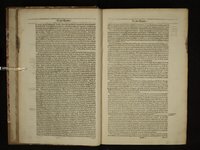
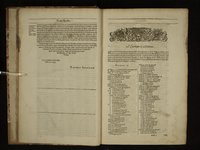
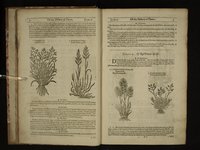
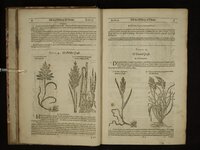
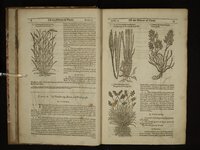
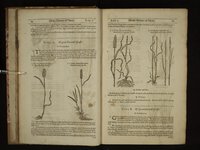
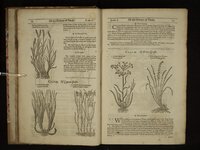
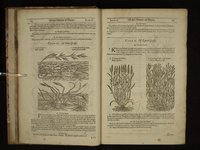
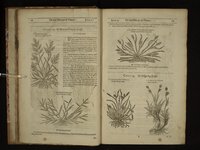
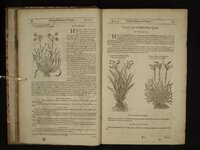
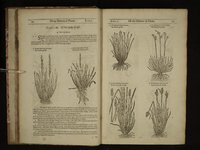
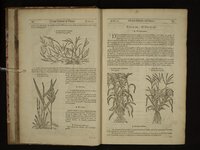
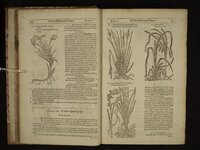
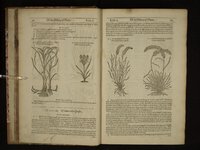
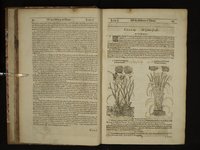
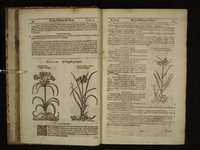
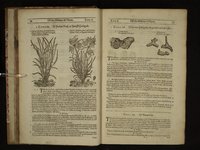
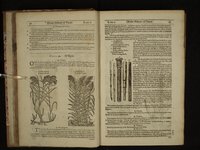
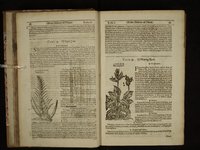
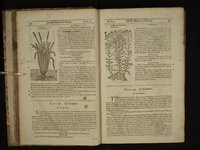
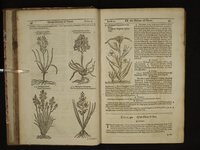
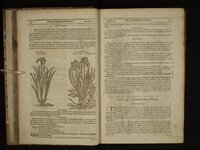
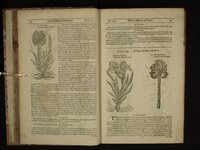
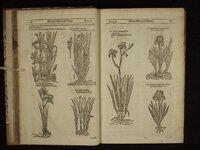
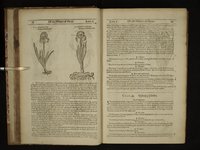
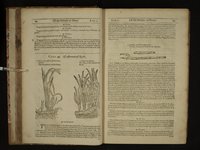
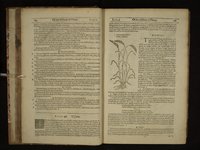
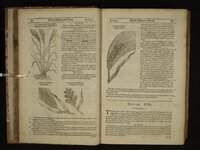
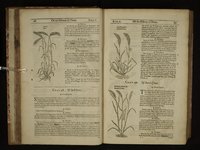
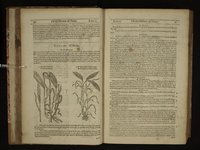
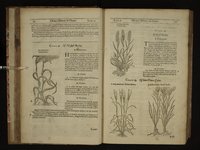
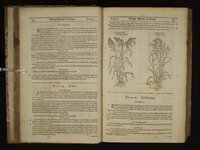
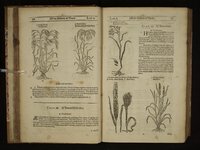
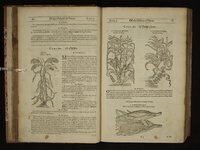
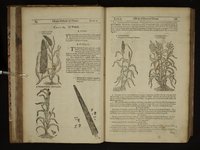
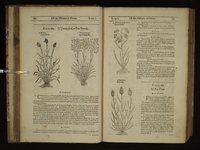
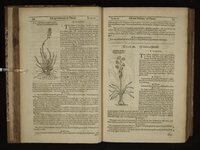
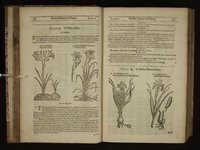
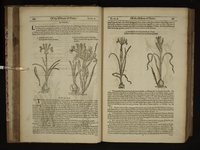
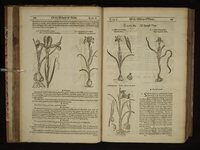
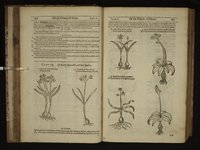
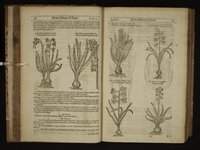
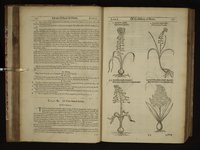
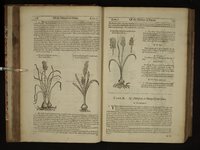
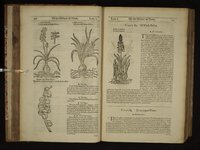
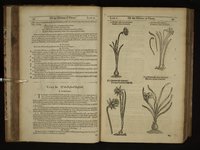
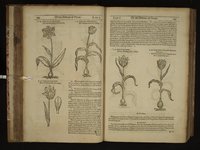
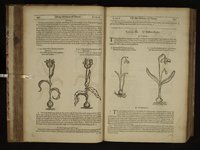
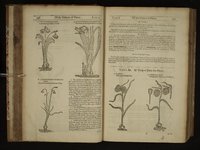
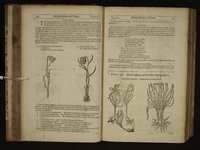
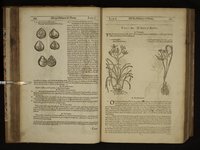
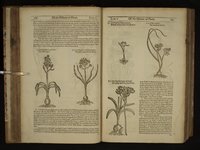
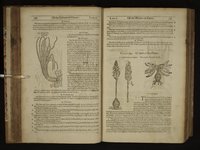
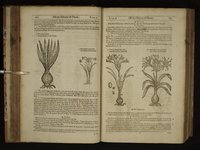
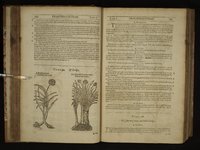
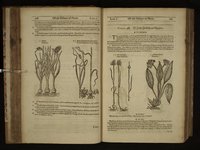
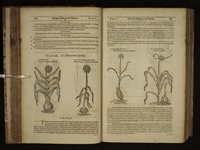
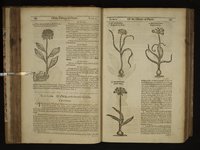
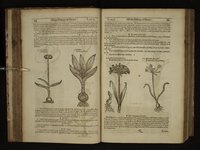
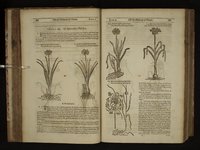
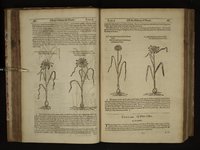
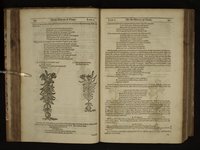
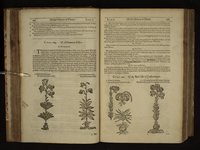
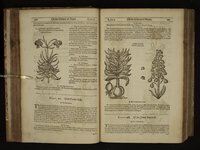
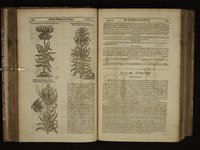
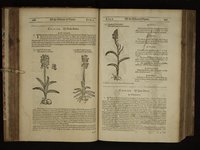
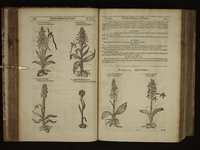
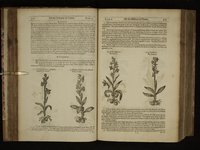
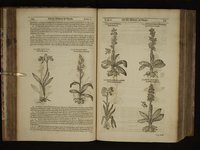
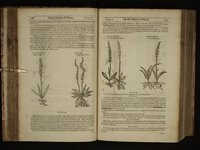
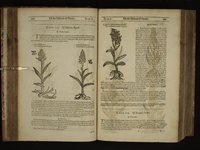
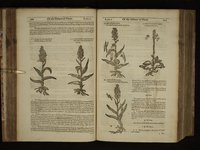
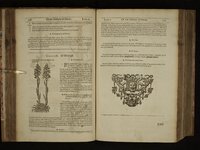
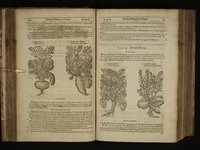
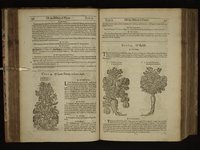
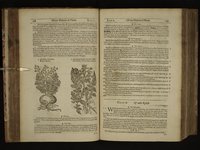
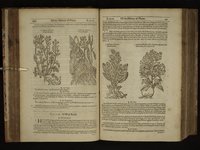
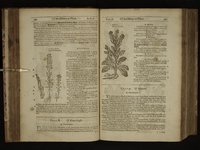
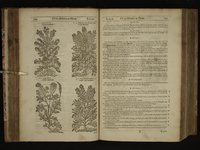
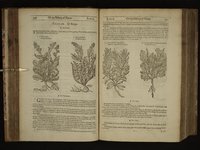
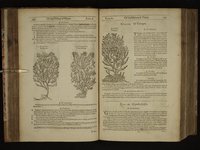
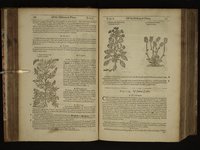
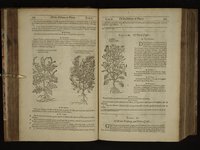
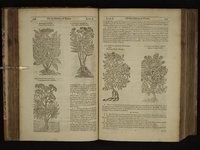
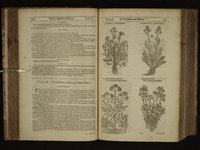
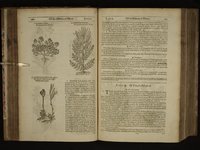
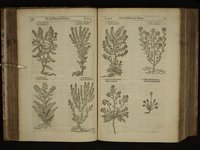
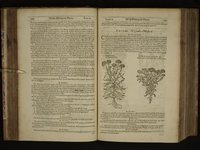
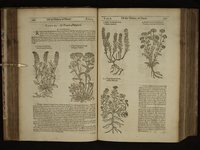
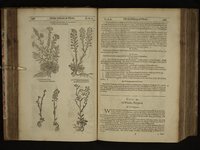
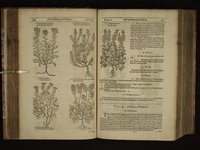
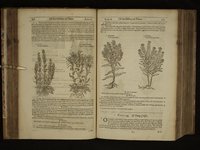
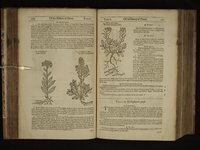
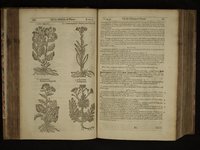
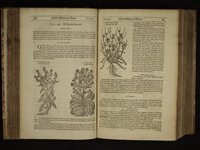
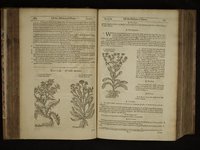
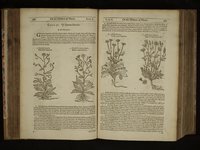
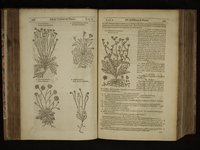
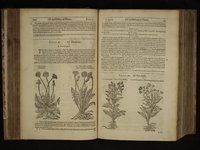
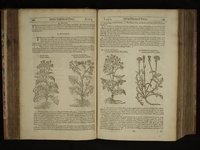
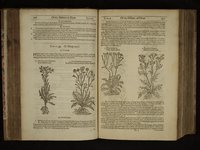
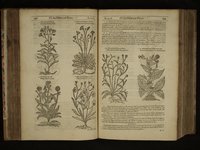
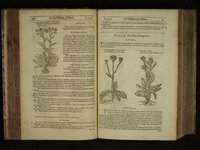
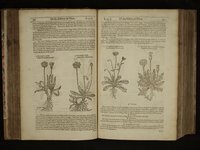
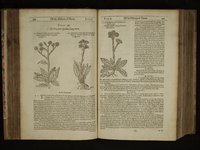
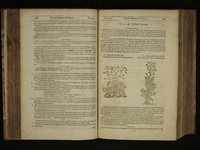
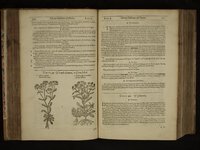
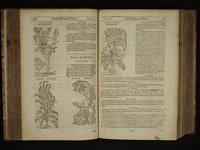
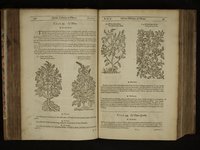
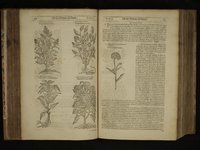
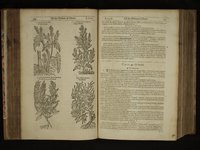
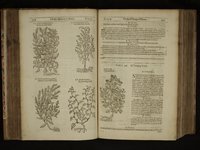
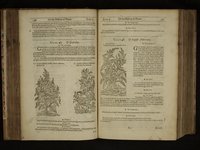
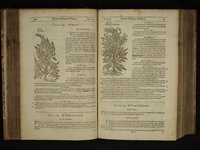
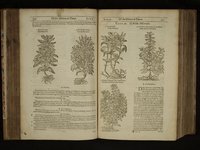
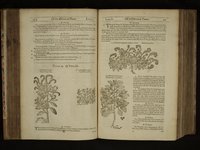
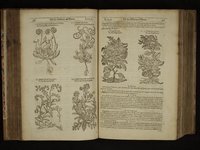
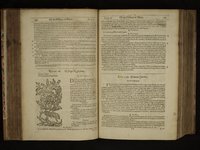
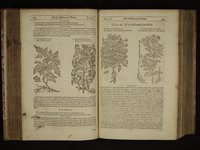
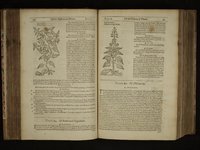
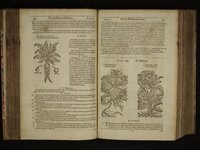
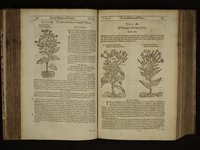
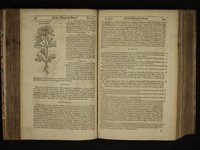
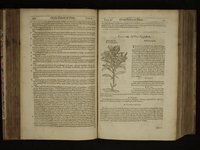
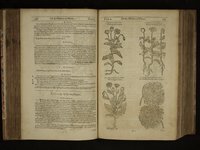
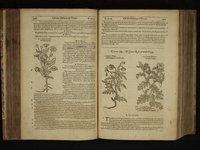
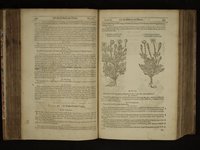
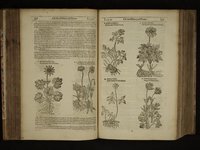
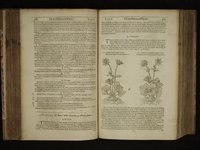
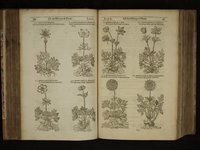
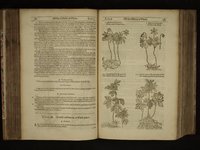
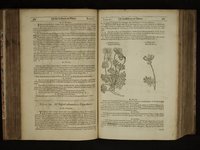
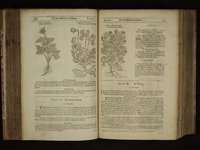
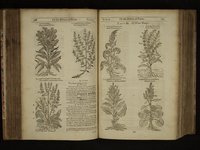
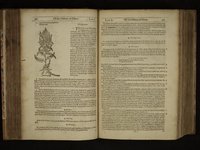
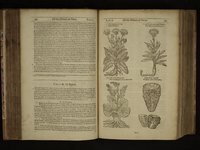
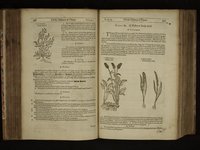
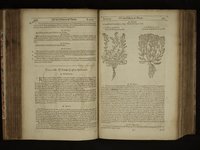
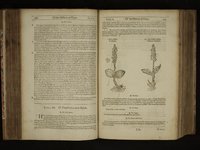
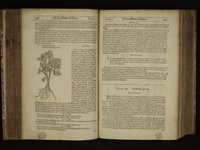
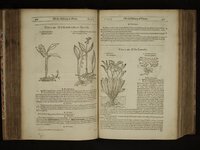
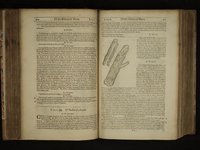
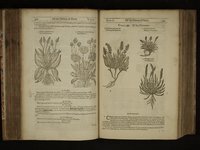
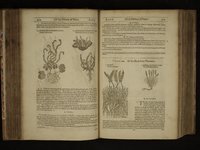
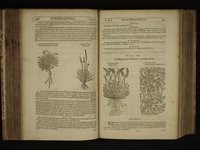
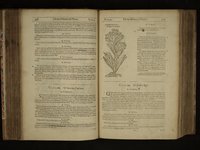
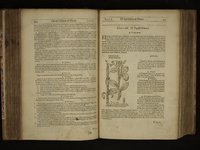
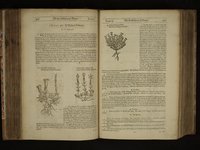
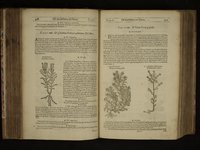
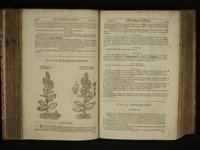
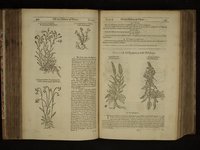
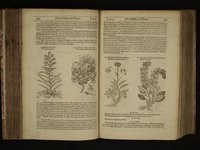
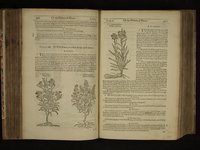
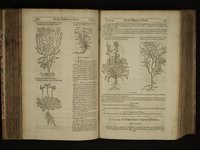
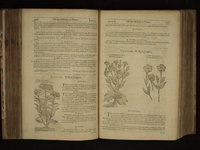
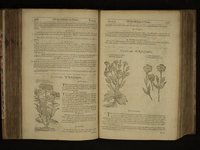
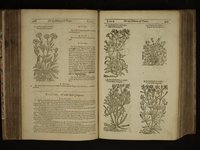
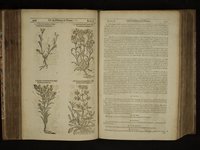
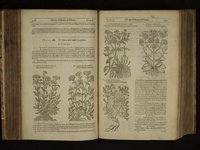
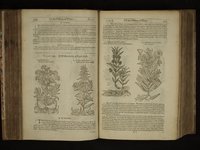
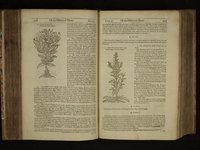
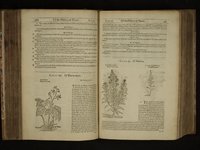
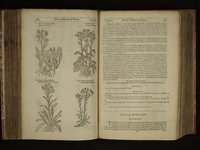
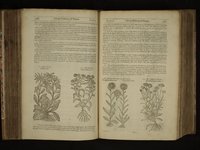
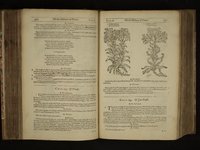
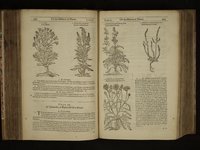
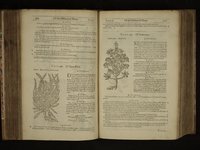
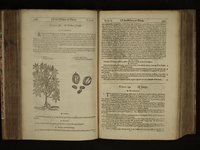
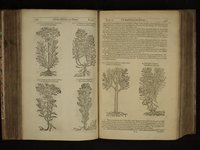
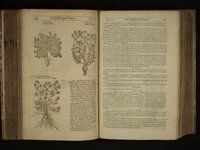
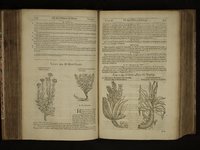
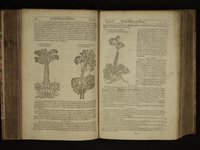
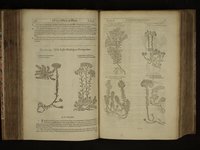
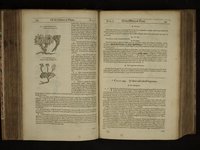
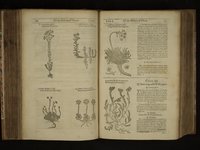
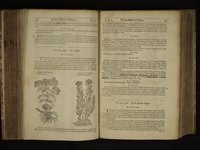
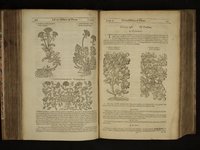
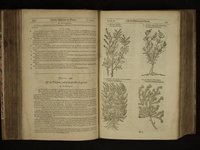
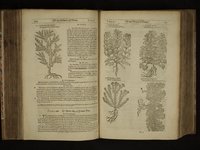
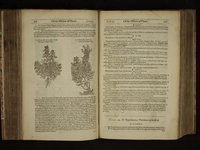
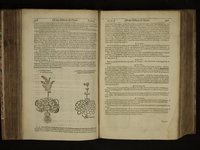
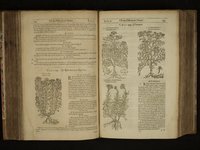
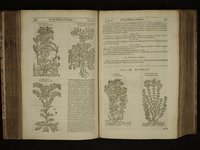
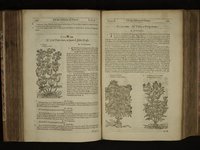
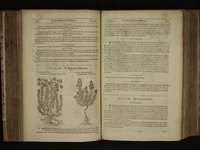
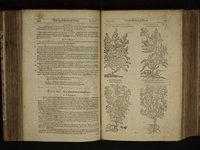
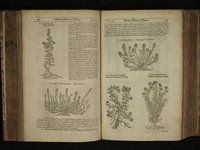
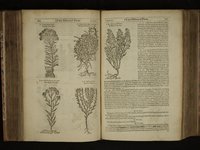
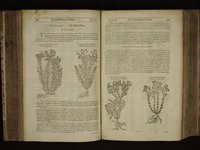
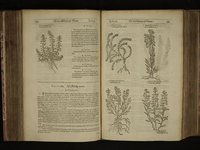
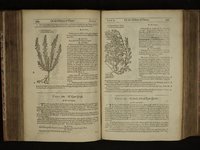
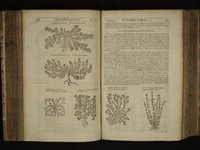
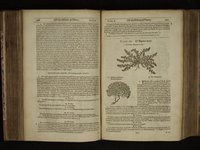
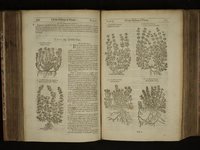
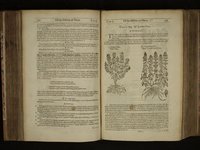
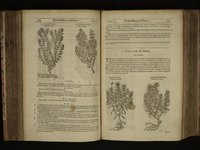
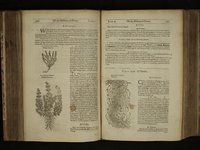
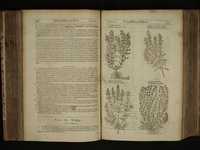
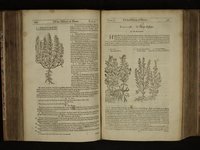
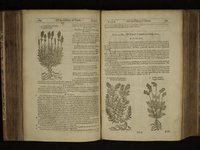
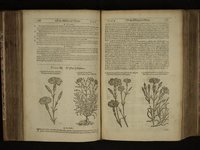
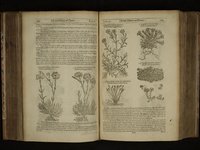
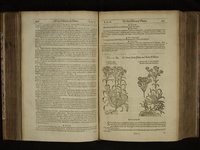
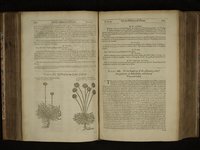
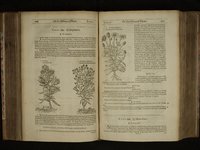
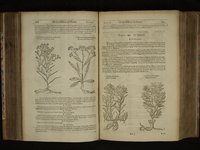
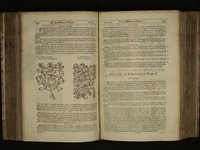
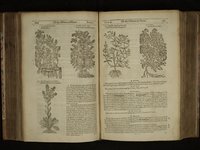
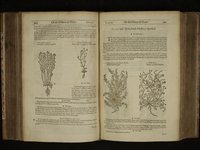
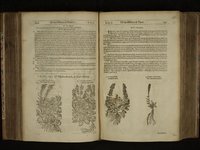
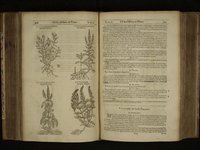
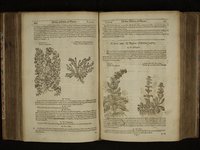
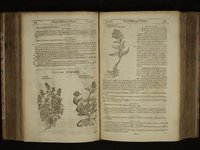
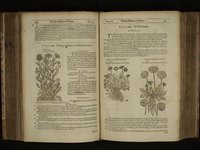
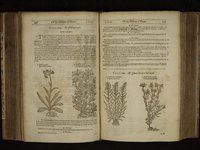
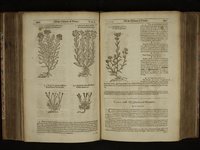
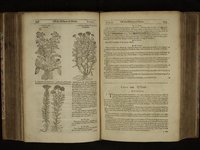
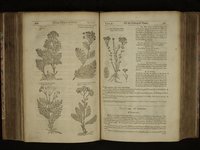
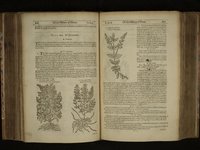
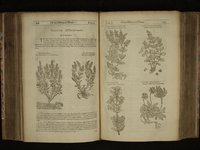
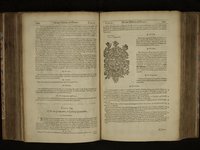
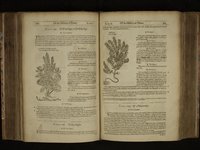
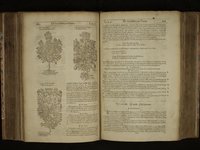
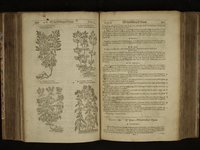
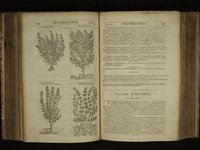
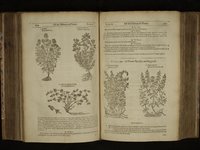
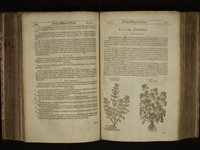
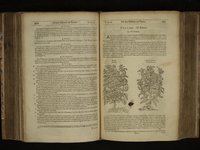
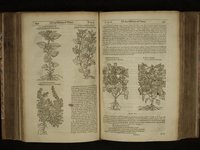
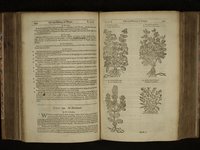
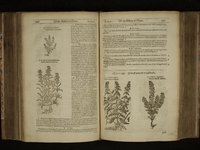
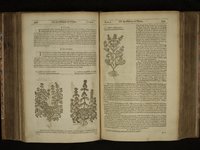
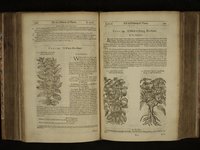
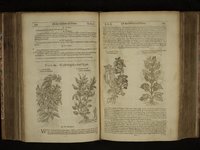
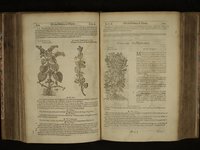
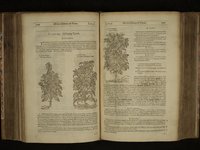
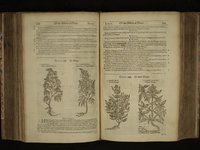
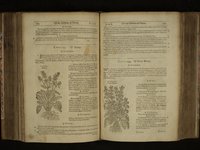
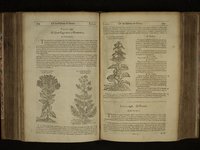
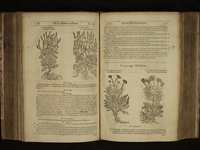
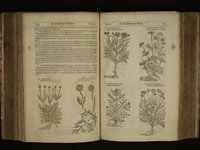
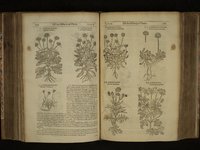
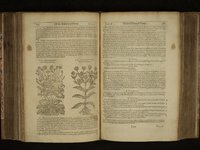
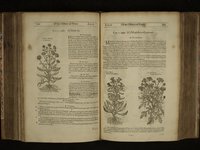
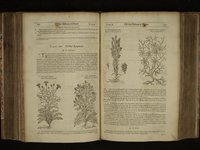
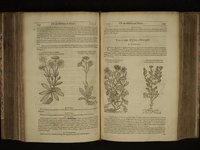
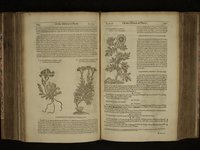
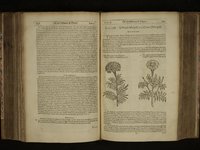
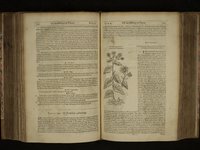
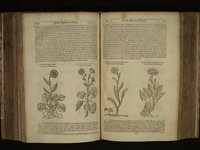
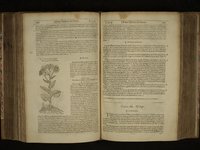
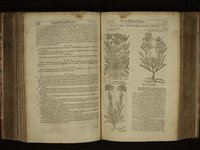
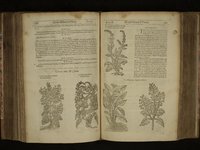
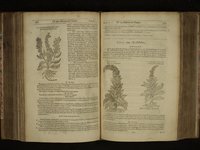
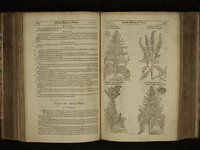
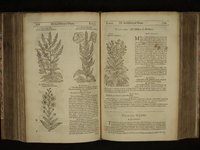
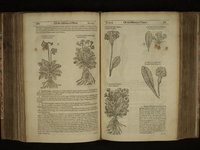
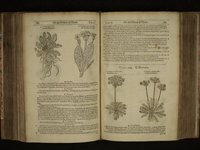
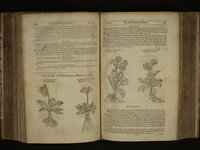
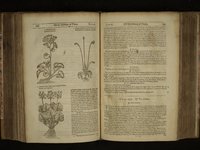
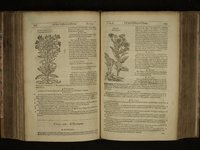
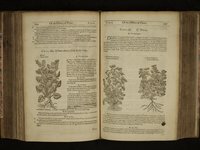
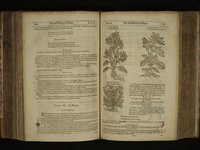
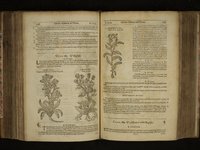
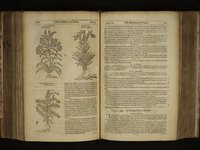
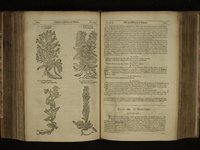
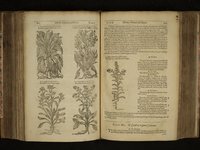
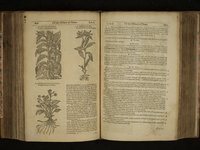
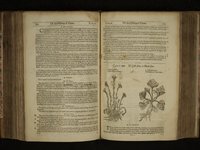
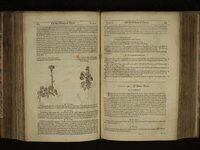
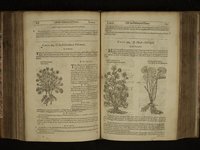
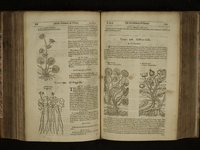
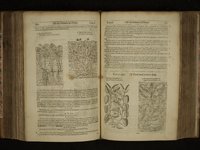
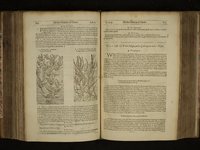
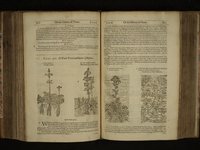
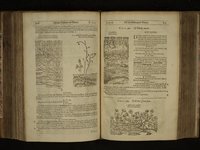
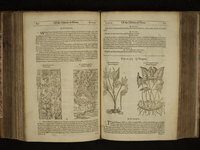
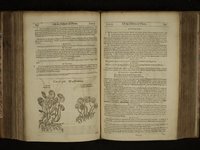
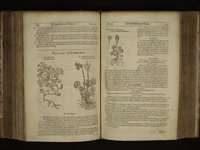
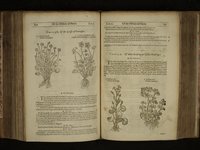
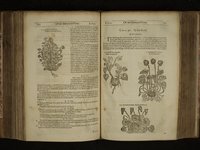
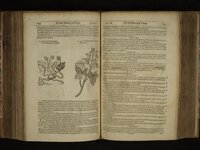
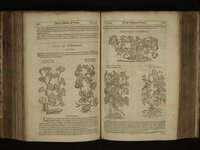
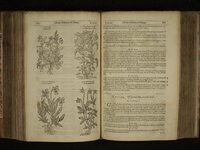
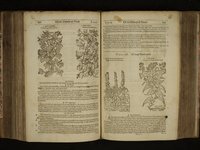
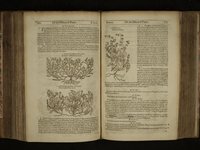
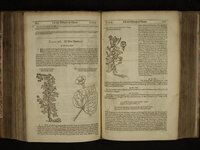
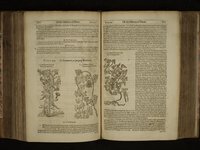
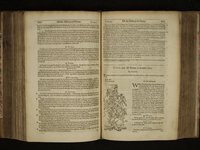
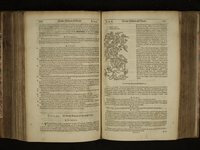
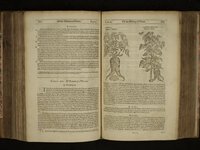
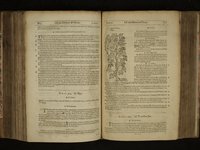
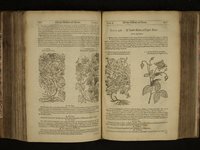
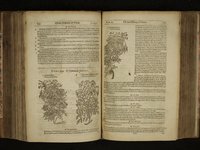
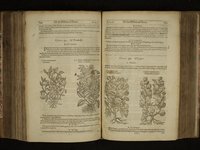
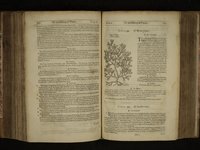
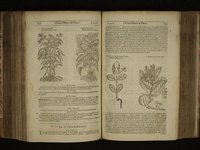
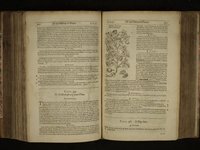
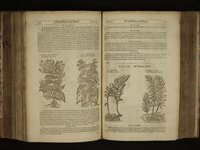
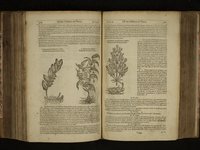
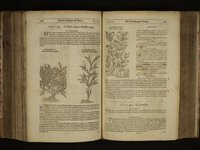
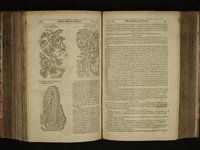
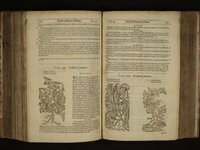
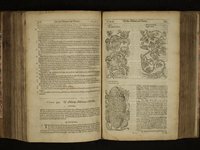
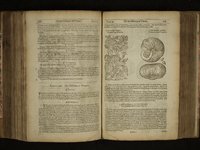
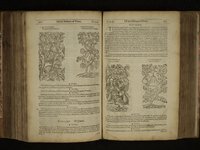
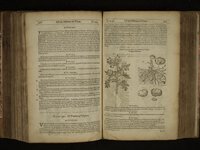
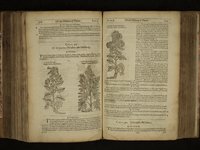
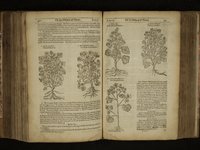
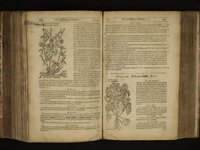
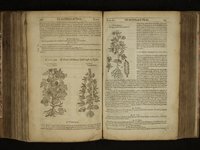
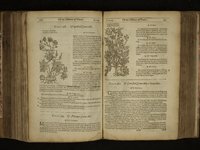
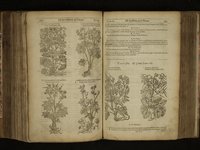
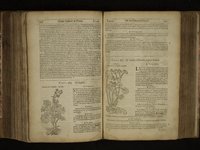
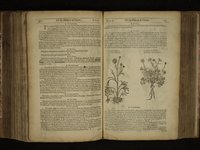
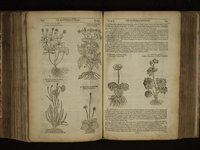
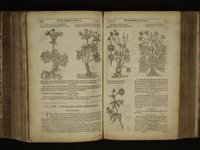
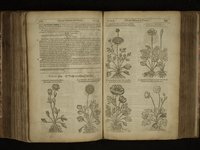
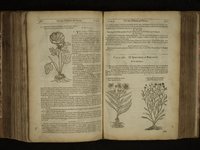
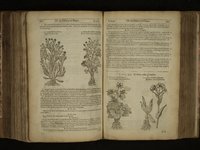
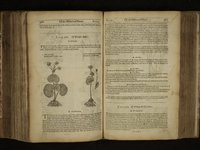
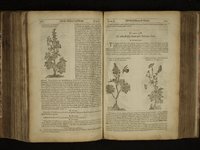
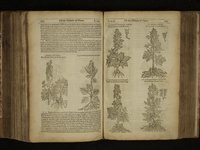
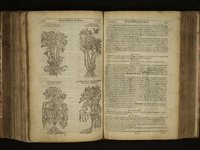
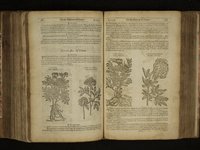
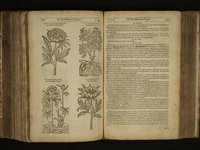
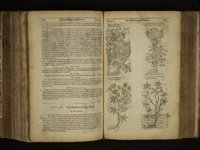
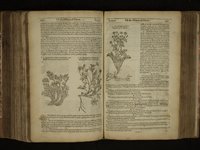
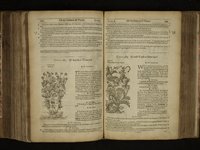
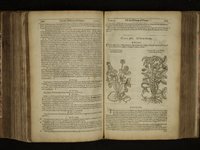
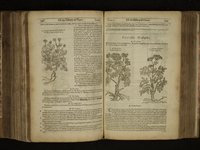
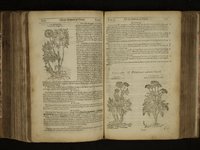
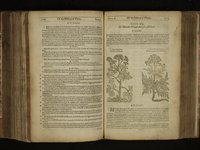
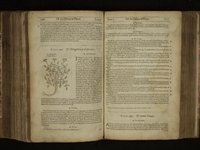
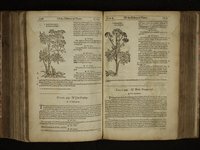
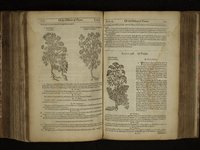
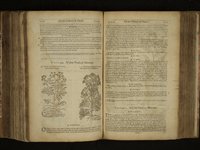
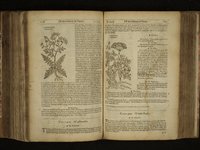
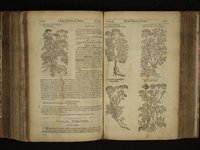
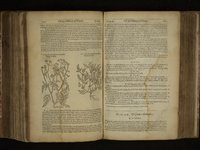
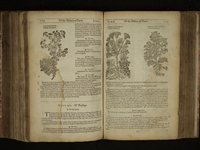
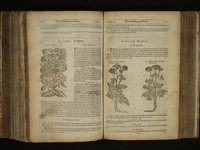
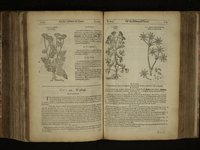
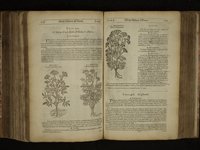
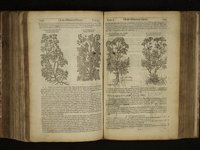
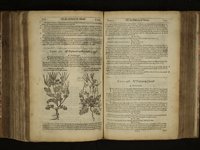
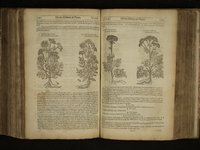
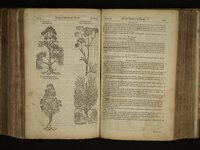
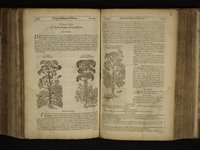
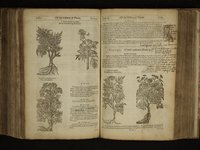
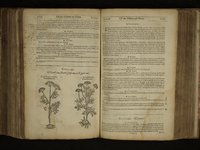
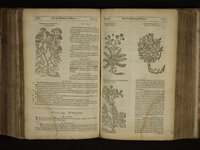
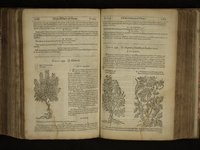
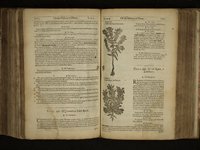
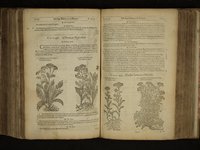
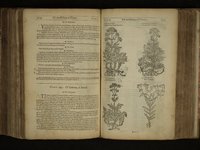
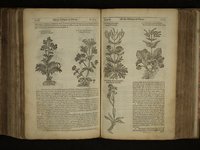
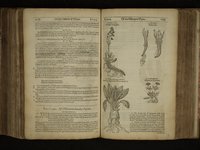
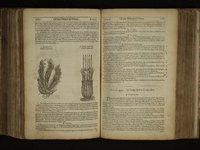
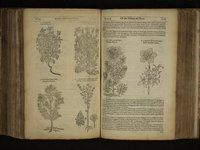
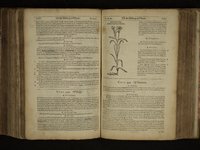
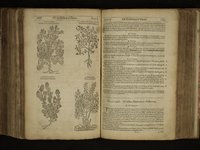
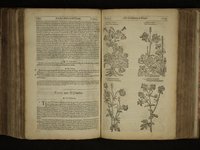
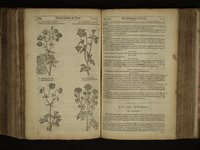
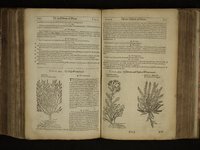
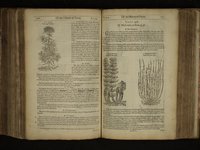
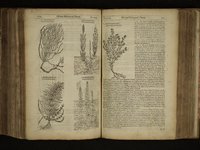
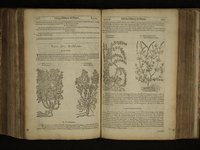
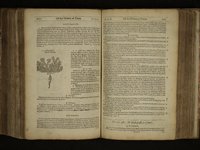
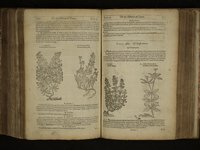
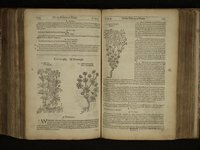
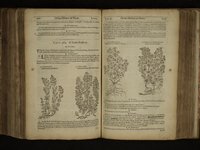
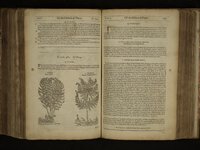
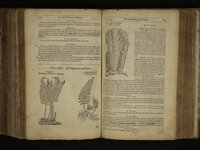
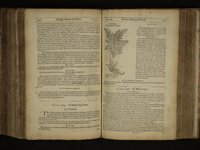
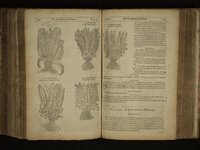
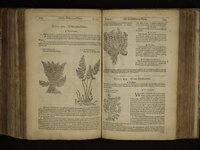
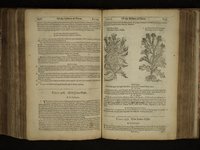
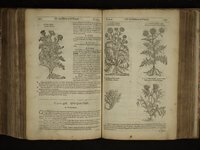
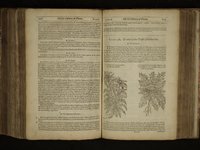
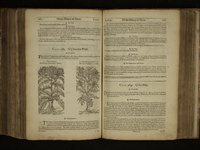
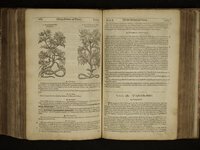
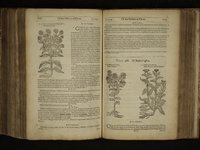
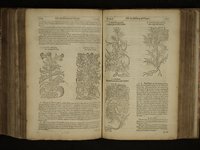
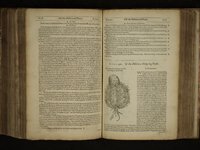
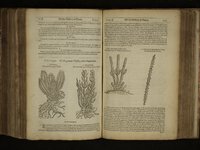
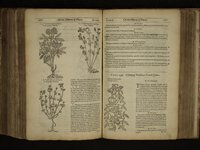
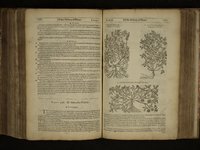
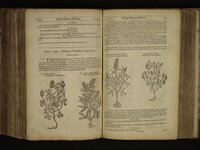
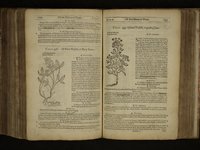
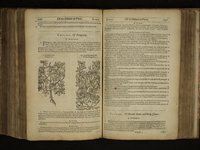
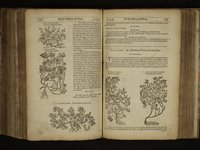
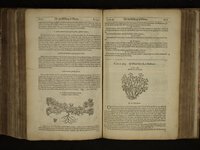
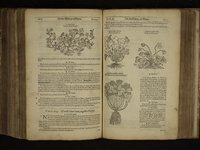
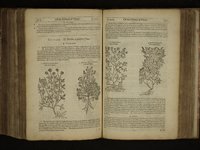
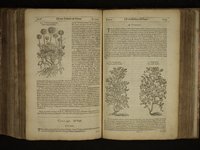
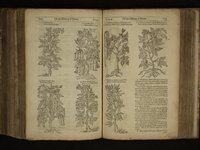
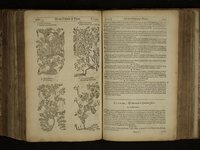
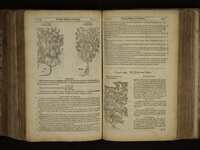
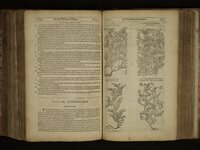
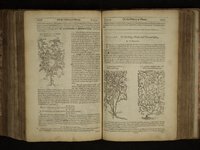
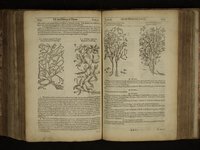
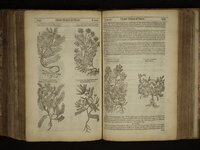
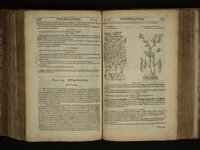
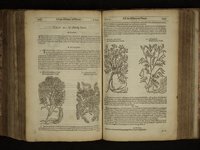
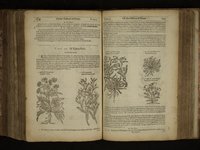
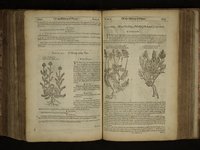
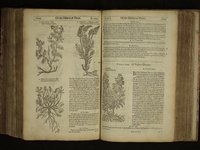
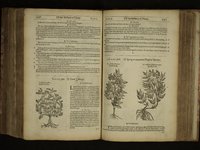
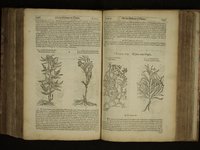
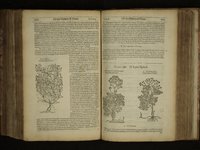
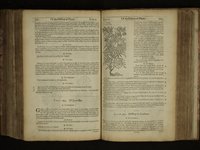
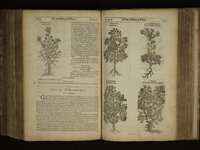
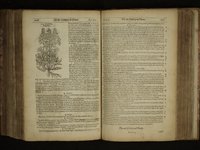
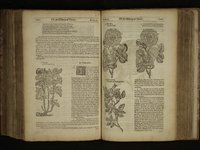
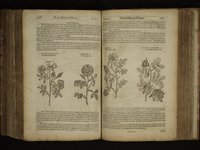
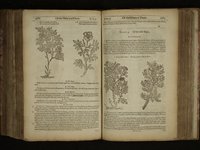
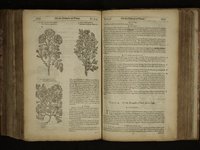
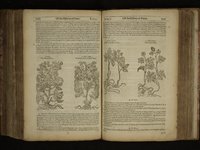
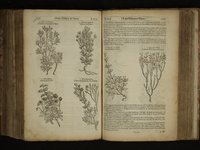
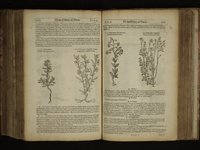
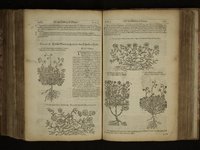
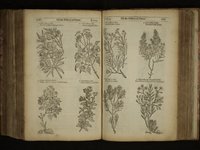
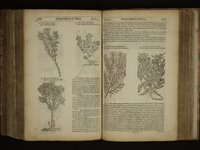
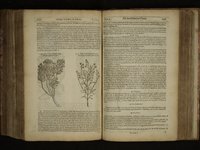
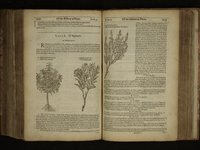
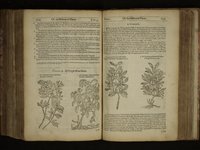
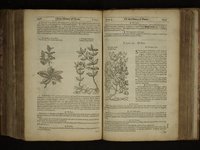
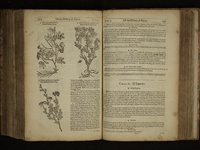
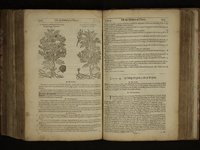
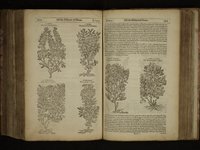
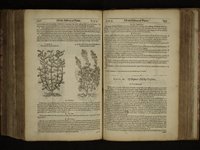
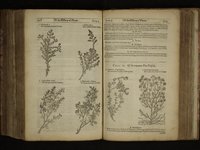
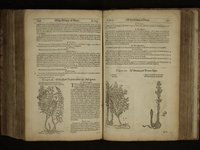
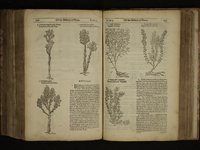
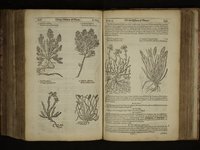
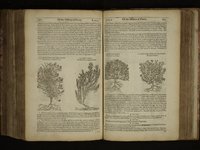
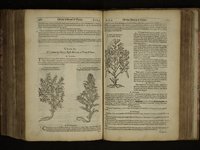
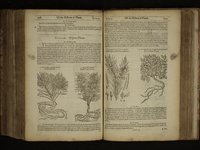
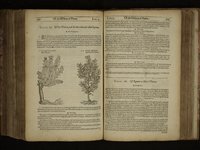
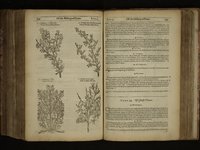
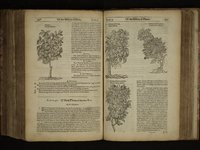
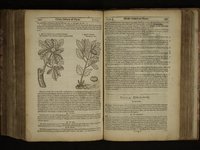
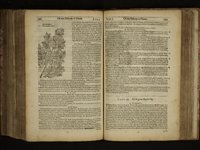
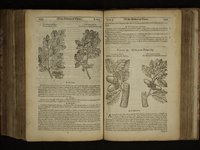
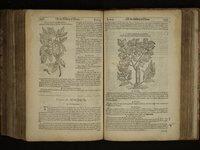
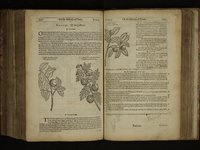
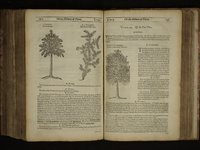
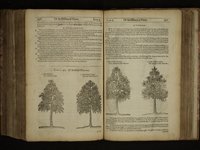
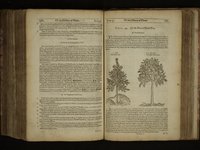
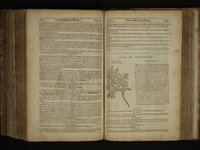
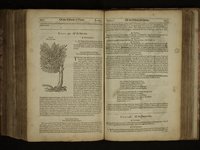
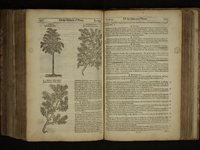
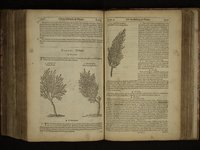
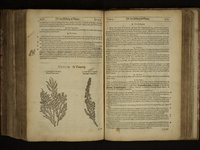
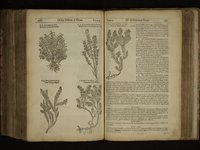
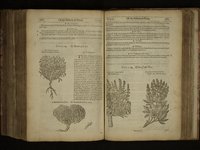
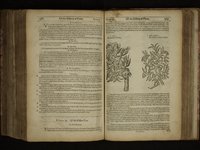
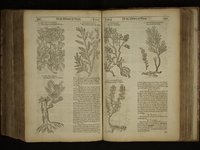
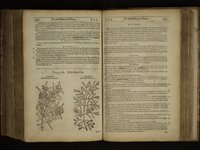
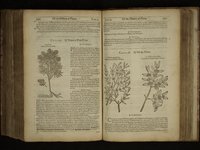
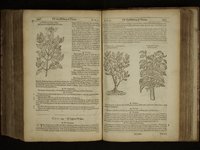
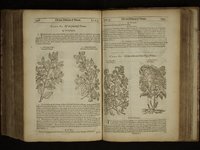
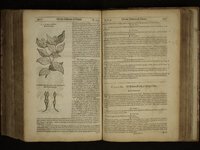
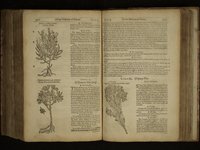
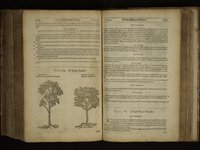
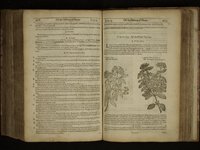
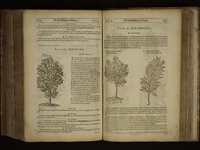
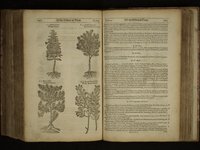
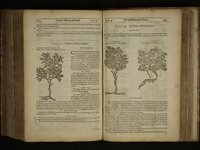
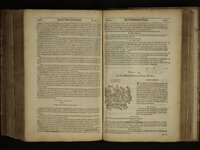
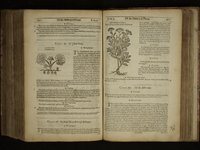
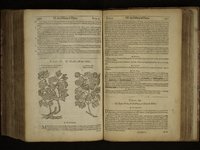
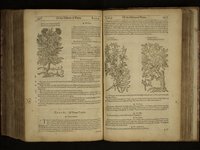
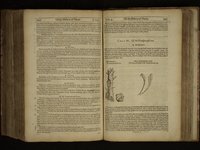
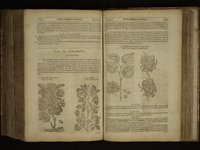
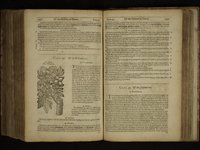
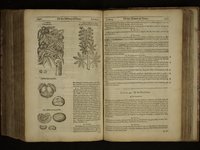
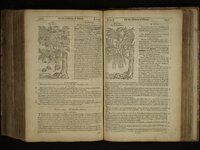
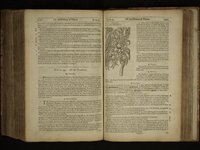
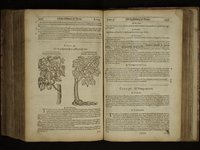
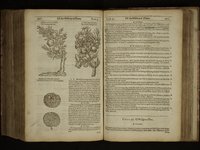
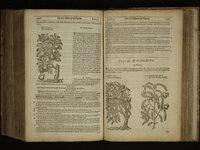
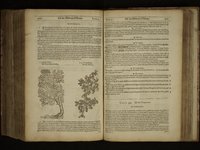
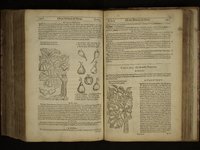
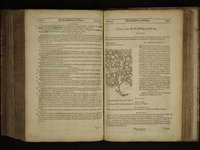
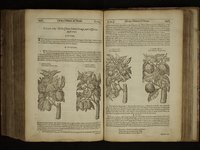
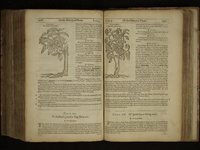
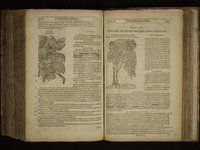
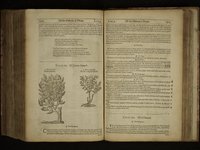
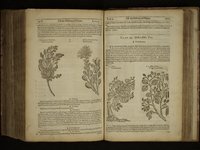
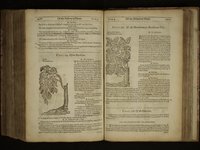
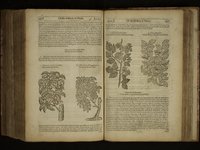
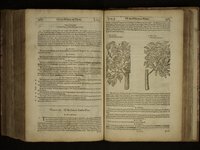
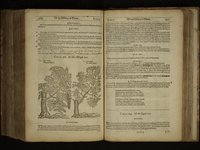
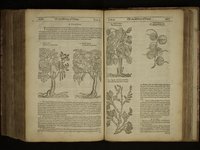
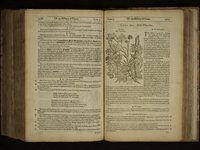
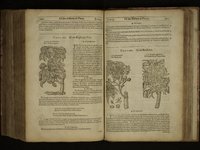
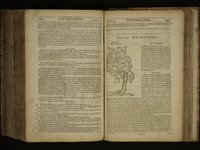
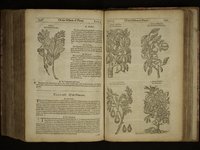
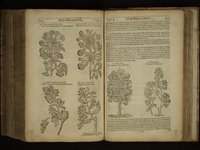
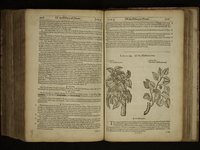
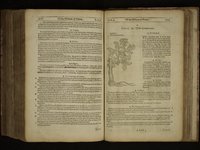
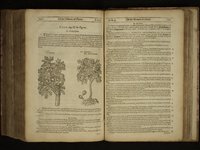
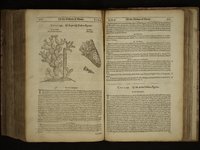
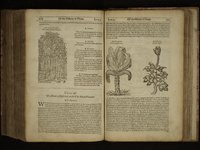
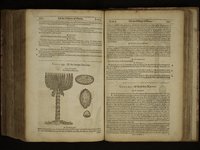
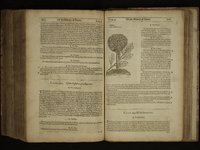
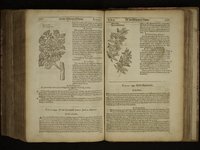
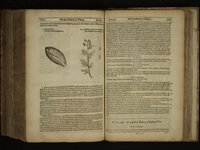
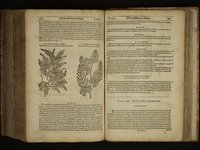
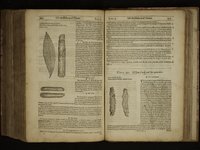
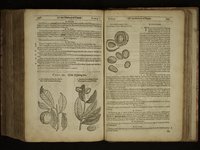
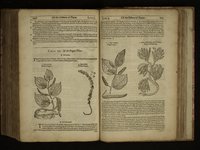
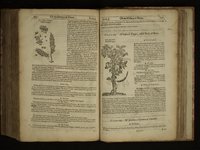
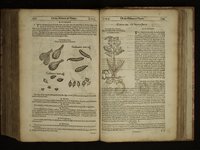
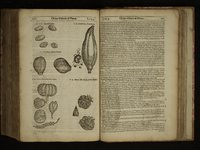
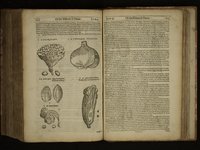
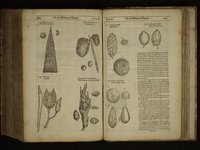
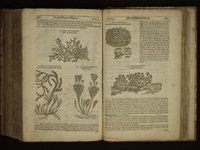
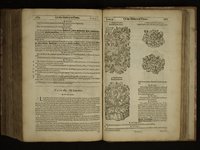
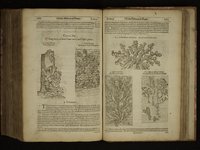
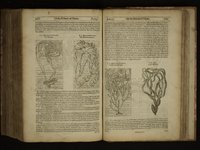
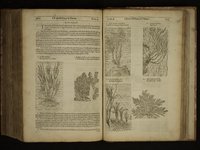
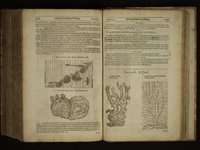
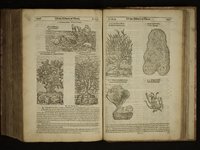
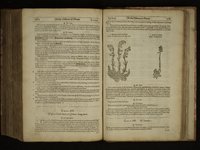
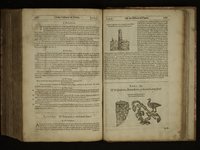
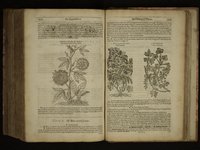
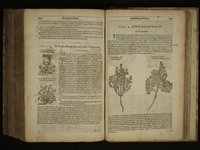
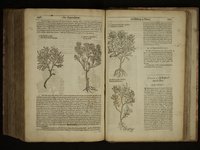
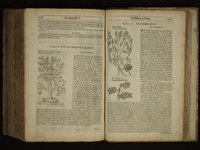
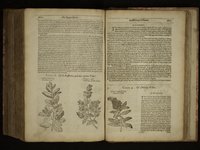
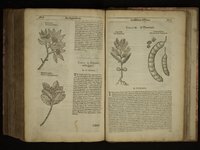
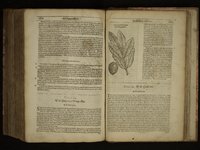
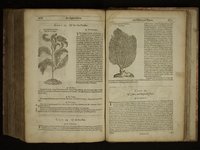
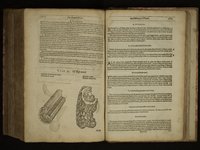
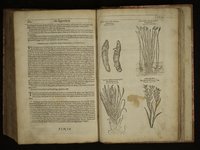
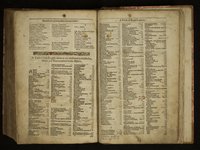
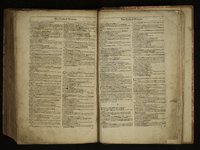
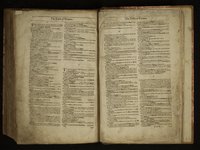
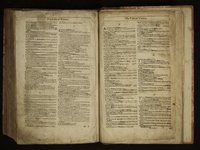
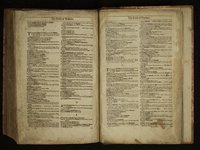
Show ce 97° Of the Hiftorie of Plants. Aconitum luteumPonticum, Yellow. Woolfes bane. Lit 8.2, indifferent betweene the kindes Of Renwiculyy Helleborus, and. Napellus:)sthis yellow kindel fay hath large fhining greene Jeauesfathioned Lis. 2. which the wolues de uoure, andare killed. SSited Cuar, 376. Of other Wolfes-banes and <Monkes-hoods. leaues vpon thefame fkalkes, one oppotite a gainft another,as intheother of his kinde; you. Theyare fomewhat like vatothe hel- met Monkes hood, open and hollowat one end, firmeandfhut vpat the other : his toots are many,compaét of anumber of threddy or blackeftrings,ofan ouerworne yellowcolour, 974 Ibis vfed among the hunters whichfeck after wolues,the iuyce whereof they putintoxaw fleth; © like avine, andof the fame bigneffe, deepely indented or cut, not muchvnlike the leaues of Geranium Fufcum, or blacke Cranesill: theftalkes are bare or naked, norbearing his his ftalkes growvp to the, height of three cu. bits, bearingveryfineyellow, floures,fantafti cally fafhioned,and in fuch manner {haped, that I can very hardby defcribe them ynto OftheHiftory of Plants. G The Defcription, His kinde of Wolfes-bane (called Aconitum Lycoctonum ; and of Dodonaus,A conitun Lycoétononfloré Delphiny, by veafon ofthe fhape andJikenes thatthe flourchathwith Delphinium, ot Larkes-{pur: and in Englifh itis called blacke WVolfes-bane) hath manylarge leaues ofa very decpe greene or ouerwornecolour, very deepely cut or iagged :among which rifeth vpa ftalketwo cubits high ; whereupon dogrowfloures fafhionedlike a hood, of a veryill fauoured blewith colour, and the thrums or threds within the hoodareblacke : the feed is alfoblacke and three cornered, growing in {mall husks : the root is thicke and knobby. fpreading far abroadeuery way,folding themfelues one within another very confufedly, This plant growcthnaturally inthe darke hil- T 1 Aconitum lycoctononflore Delp hiny. Larks-heele Wolfes-bane. + 2 Aconitum lycoctonon cerulenm parvum. Small blew Wolfes-bane. lie forrefts, and fhadowie-woods, whichare not trauelled nor haunted, but by wilde and fauage beafts, and is thought tobethe ftrongeft and next’ ynto Thora in his poifoning “qualitie, of all the reft of the Aconites, or Woolfes banes, infomuch that if afew ofthe floures be chewedin che mouth,and fpit forth againeprefently,yet forthwithit burneth ~ jawes and tongue, caufingthem to five, an making acertaine fwimming 0 giddinefe in Gentleman dwelling in Linthehead. This calleth tomy remembrance anhiftory ofacertaine colnefhire, called Mahewe, the truc report whereofmy very, goodfriend M'. wicholas Bellis, fome- timesfellow of Kings Colledge in Cambridge, hath deliuered ynto me: Mi. vabewe dwelling in Bofton,a ftudent in Phyficke;hauing occafionto ride through the Hennes of Lincolnethire, found aroot that the hogs had turned vp, which feemed vnte him ‘veryftrangcand vnknowne, forthat it was in the fpring before the |eaues were out, : this he tafted, and it fo inflamed his mouthtonge, andlips, that it caufed themto {well very extreamely, fo that before -he could get? 5 Tad Bofton he could not {peake, andno doubt hadlofthis lifeif that the Lord God had inebet thofe good remedies whichprefently he procured and vfed. I hauc here thought goo! eye of this hiftory, for two efpeciall caufes ; the firft is, that fome induftrious and diligentoblemes© or fome ofhis kin es : for] a . nature maybe prouoked tofeeke forth that venemous plant, ee perfiiaded : aE : hereof thistandthe gents tainely thatit is either the Thora Valdenfium, or Aconitum luteum, where! grow naturally 10 Engla ei man taftedwhich twoplants haue not at any time been thought to of other caufeis,for that I would warne others to beware bythat gentlemans harme. 1 nion that this root which M*. Mahewetafted was of the Ranunculus flammens Matafeiee iisof a firft place of the 370. chapter aforegoing; for that growes plentifully in fuchplaces, 2°" very hot tafteandhurtful! qualitic. + a. @ The Place. + inanyotliet The yellow Woolfes bane growcthin my garden, but not wilde in England, 0 thefe Northerly regions, q The Time. Tt floureth in the end of lune, fomewhat after the other Aconites. | The Names. take Wool B ’ xe | hy ic This yellow Woolfes-bane is called of Lobel, Aconitum lutenm Pontic 7 Pont " bane. There is mention made in Djofcorides his copiesof three Woolfes-banes,0 wheve ters vfe one,and Phyfitionsthe other two. atarcellus Virgilius holdeth opinio® rie A plant is vtterly to be refufed in medicine. es q] The Tereperature andVcrtues « ir e deadlyto man,and La Woolfes-banes,is The facultie of this Aconite,as alfo ofthe other call other lining creatures. his kinde of Wolfes‘bane, called Lycottonen covruleum parvum facie Napelli : in Englidhfing da Wolfes.bane, or found Wolfes-bane,hath many flender brittle ftalkes two cubits ee #46 3.4 Bos “aues very much iagged, and like vnto Napellus, calledin Englith, Helmet-floate, aay i the top oftheftalkes,ofa blewith vehoneOnl alfo oe R hactsoy at there =the : » od are like vnto the other: the root 1s round and Lie” 5 ; seeds Germanes to call. the fame Raper blogs See nall Rapeoree Turnep: which moue n Latine, Flos rapaceus : in Englifh, Rape-floure. in bnckie -flouse, oF the great Helmet re This kinde of Wolfes-bane, called Napellus verus, in Eng ang anbelmet; which are {9. Monkes-hood, beareth veryfaireand goodlyblewfloures in fhape Ie butzoneft femperfides bits EPS die p -excellent.vertue, en OR 1; : 1 Fi o velfewhere bus saturally ,_ Utitull, that aman would thinke they were of fome excellentv« de “4a fronti.. This plant is vniuerfally knowne in our Londongardens and chew" "3 ae |