| OCR Text |
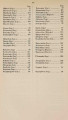
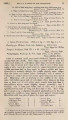
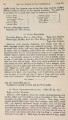
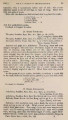
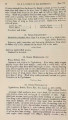
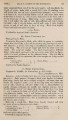
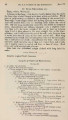
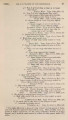
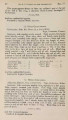
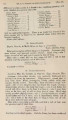
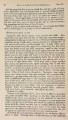
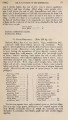
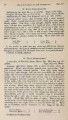
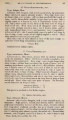
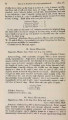
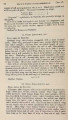
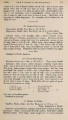
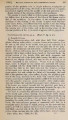
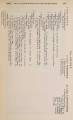
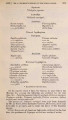
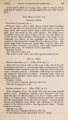
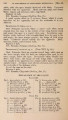
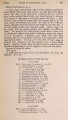
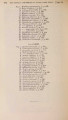
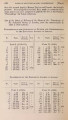
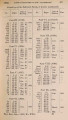
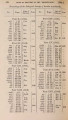
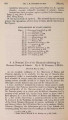
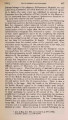
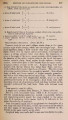
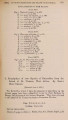
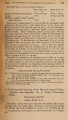
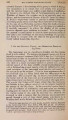
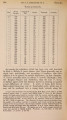
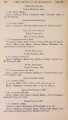
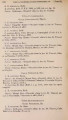
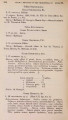
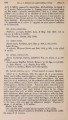
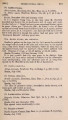
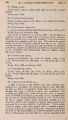
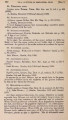
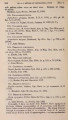
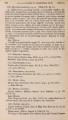
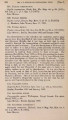
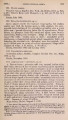
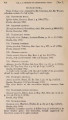
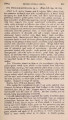
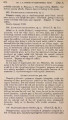
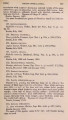
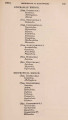
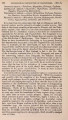
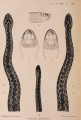
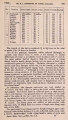
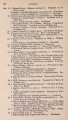
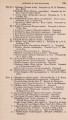
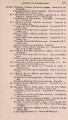
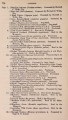
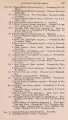
Show 1893.] MR. G. A. BOULENGER ON VIPERA RENARDI. 759 Locality. Ourkatsch. Chinas. Sarepta. Saratov. Emba. Smeinogorsk. Chinas. Kuldja. Varnoe. Kuldja. Kirghiz. Chinas. Varnoe. Sarepta. Chinas. IS Kunges. Total length. 585 millim. 460 „ 450 „ 450 „ 420 „ 420 „ 400 „ 370 „ 320 „ 300 „ 245 „ 180 „ 395 „ 380 „ 350 „ 175 „ 175 „ Length of tail. 70 millim. 55 „ 55 „ 60 „ 50 „ 55 „ 50 „ 50 „ 43 „ 40 „ 32 „ 24 „ 40 „ 32 „ 37 „ 20 „ 22 „ Scales. 21 21 21 21 21 21 21 21 21 21 21 21 21 21 21 21 19 Ventrals. 144 136 142 142 148 142 137 133 134 138 145 130 141 142 137 139 130 Caudals. 35 32 34 36 36 35 36 34 31 32 35 36 27 24 30 30 30 The length of the tail is contained 7g to 8^ times in the total in males, 8 to 10 times in females. One of the principal characters which induced Christoph to separate this Snake from V. berus is the absence of sexual differences of colour, a peculiarity which it shares with V. ursinii. The same author further observes that the sinuous or zigzag dorsal band is nearly always broken up into spots, at least on a considerable portion of the body. The latter statement is verified on the male from Sarepta before me, but the female, on the other hand, has an uninterrupted zigzag band. Strauch (Syn. Viper. p. 37) also observes:-" Although it is n o w well known that the numerous colour-varieties of this Snake [V. hems'] are by no means restricted to particular localities, and therefore cannot be regarded as geographical races, I must nevertheless remark that most of the Transcaspian specimens before m e are very light, almost sand-coloured, and usually have a longitudinal row of roundish or transverse light chestnut-brown blotches instead of the dorsal band." In coloration the Sarepta specimens are very similar to V. ursinii, but they differ in having the labial shields markedly dark-edged. The dorsal band or series of spots is dark brown, edged with blackish ; the ground-colour of the middle of the back and of the scales of the two outer rows on each side is yellowish, of the sides (four rows of scales) greyish-brown with two series of dark brown spots ; the markings on the head as in V. berus and V. ursinii. The lower parts are whitish or pale greyish, with blackish dots, of which there is a series of larger ones along each side of the belly. The specimens from Chinas and the Kirghiz Steppes agree with Strauch's description in being of a pale yellowish sand-colour, with a brown, darker-edged dorsal zigzag band or series of spots and P R O C . Z O O L . Soc-1893, N o . LI. 51 |