| OCR Text |
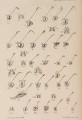
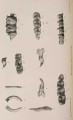
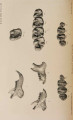
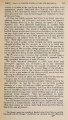
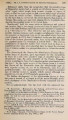
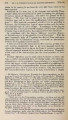
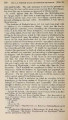
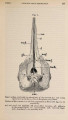
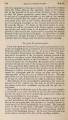
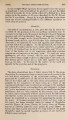
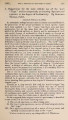
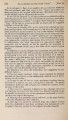
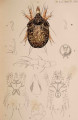
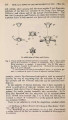
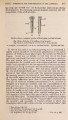
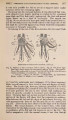
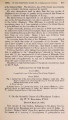
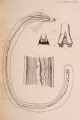
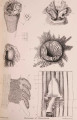
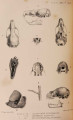
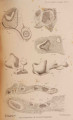
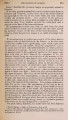
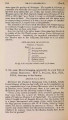
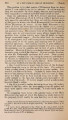
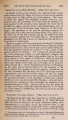
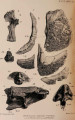
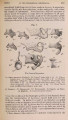
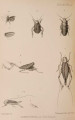
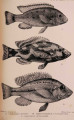
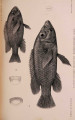
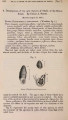
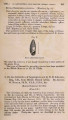
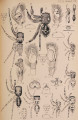
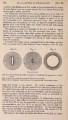
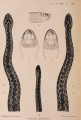
Show 518 MR. R. LYDEKKER ON SOME [June 6, of imperfect) bones is frequently a matter of extreme difficulty, not of actual impossibility. STRIX SANCTI-ALBANI, n. sp. (Plate XLL figs. 1-4.) In tbe British Museum Catalogue of Fossil Birds I took the family Strigidce to include all the members of the nocturnal birds of prey, but I have since seen reason to adopt the subdivision of the group into the families Strigidce and Bubonidce. And I am the more confirmed in this latter view from the circumstance that the specimens under consideration show an osteological distinction between the members of those two families which I have not observed recorded in the works with which I am familiar. Of all the birds represented in the collection the one of which the remains are most numerous is a species of Owl belonging to the genus Strix-no less than eleven more or less imperfect bones being referable to this form. From these specimens I have selected four for illustration (see Plate XLL)-those represented in figures 1 and 2 being the distal portions of the right tibia, while those in figures 3 and 4 are respectively the proximal and distal halves of the left tarso-metatarsus. The Strigine affinities of these specimens are amply demonstrated by the form of the lower end of the tibia, in which the condyles are remarkably prominent, while there is no bridge over the extensor groove on the anterior aspect; and likewise by the highly convex arch formed by the distal trochleae of the tarso-metatarsus, and the general form and prominence of the crest on the hinder part of the hypotarsus. Although I am not aware that any sharply defined distinction can be drawn between the tibia of the Bubonidce and Strigidce, I find that Stria! differs from all the members of the former that I have been able to examine in the absence of the bony bridge over the extensor depression of the upper part of the anterior face of the tarso-metatarsus. As this bridge is wanting in the specimens before us (fig. 3), and as they agree otherwise in general form and size with the corresponding bones of the Barn- Owl, I opine that they must be referred to the genus Strix. Agreeing in size with the corresponding elements in S.flammea, they are distinguished by tbe grooves between the distal condyles of the tibia being somewhat less deep ; while the tarso-metatarsus has a deeper posterior groove and a smaller crest to the hypotarsus. The only fossil representative of the genus which, so far as I am aware, has received a distinct name is S. melitensis1, founded on a femur from the Pleistocene of Malta, which differs from that of S.flammea in its more slender proportions. As there are no indications of a similar slenderness in the bones under consideration, I think I shall be justified in assigning them to a new species, under the name of S. sancti-albani. The specimens do not, however, admit of defining the species more exactly than by the above-mentioned features in which it differs from S.flammea. 1 Lydekker, Cat. Foss. Birds Brit. Mus. p. 13 (1891). |