| OCR Text |
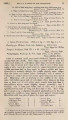
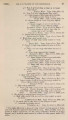
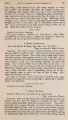
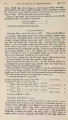
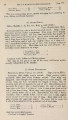
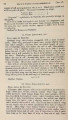
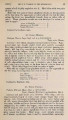
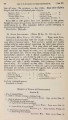
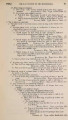
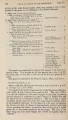
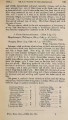
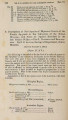
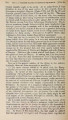
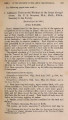
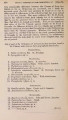
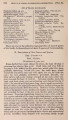
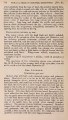
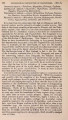
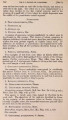
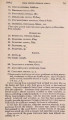
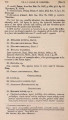
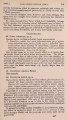
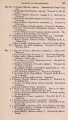
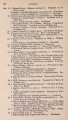
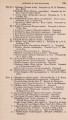
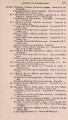
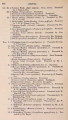
Show 16 ME. E. Y. WATSON ON THE HESPERIIDSE. [Jan. 17, Little is known of the habits of this section, and, of those of which there is any record, some seem to rest with their wings over their backs, and some with them extended flat. This section is confined almost entirely to the New World ; only seven of the genera occur in the Old World, and these are only represented by one or two species each. The male is usually provided with a costal fold on the fore wing and never with a discal stigma, occasionally with a tuft on one ot the wings, and very frequently with a tuft of long hairs attached to the hind tibiae, which are usually, but not invariably, furnished with two pairs of spurs. The epiphysis on the fore tibiae is invariably present. Section B. Antennae seldom hooked, occasionally bluntly pointed. Palpi, third joint either minute or porrected in front of the face, in the latter case stout, and not slender as in the Entheus group in Section A ; palpi never curving over the vertex. Fore wing : cell less than two-thirds the length of costa ; vein 5 invariably nearer to 6 than to 4. Hind wing frequently lobate, but never with a distinct tail or tooth at the submedian; vein 5 never fully developed. This section can be readily separated by the position of vein 5 of the fore wing together with the short cell. All the species of this group of which there is any record (with the exception of a few species of Hesperia) rest with their wings extended flat when in a state of complete repose, frequently settling on the underside of a leaf. This section occurs throughout both the N e w and the Old Worlds, some of the genera having a very wide range. Most of the New- World forms and a few of the Old-World ones are provided in the male with a costal fold on the fore wing, and never with a discal stigma. A very large number of the genera are also provided in the male with a tuft of long hairs attached to the hind tibise or fore coxse. There are invariably two pairs of spurs on the hind tibiae, and the epiphysis of the fore tibise is invariably present, with the doubtful exception of some individuals of Abantis tettensis. Synopsis of Genera of HESPERIINCE. Section A. a. Hind tibiae with two pairs of spurs (except in Jarsoctcnus * and Casyapa * ). a1. Third joint of palpi minute, bluntly conical. a1. Hind wing conspicuously tailed at vein 1 b. a3. Male with a tuft of hairs on underside of fore wing. , .. . POLYTIIRIX, g. n. Type, metaUescens, Mab. (1) os. N o tuft of hairs on underside of fore wing in male. E U D A M U S , Swains. Type, protcm, Linn. (2) * The form of the antennas alone will readily distinguish these two genera from the remaining genera in this section which have only one pair of spurs on the hind tibia?. " |