| OCR Text |
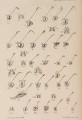
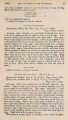
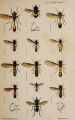
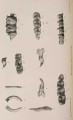
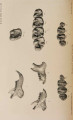
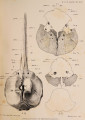
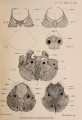
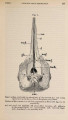
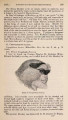
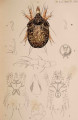
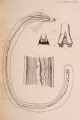
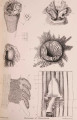
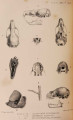
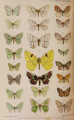
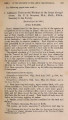
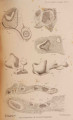
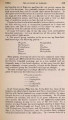
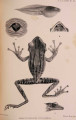
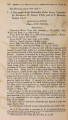
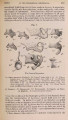
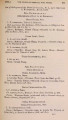
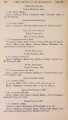
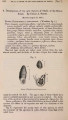
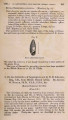
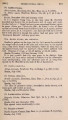
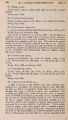
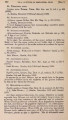
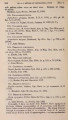
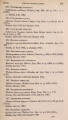
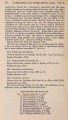
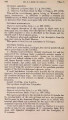
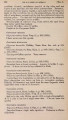
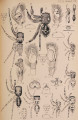
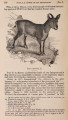
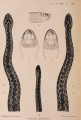
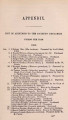
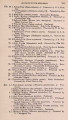
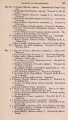
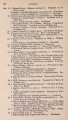
Show 1893.] MR. G. A. BOULENGER ON VIPERA RENARDI. 757 and, as I think, offers the best explanation of the facts present known. For I cannot but think that CE. neglecta and OI. phillipi are two closely related species, while CE. neglecta, var., is an incipient species which, perhaps, does not always breed quite true. It seems to me that we have in the Kermadec Islands a manufactory of species in full swing, but unfortunately our information is not sufficient to tell us exactly by what process the species are made. 4. O n Vipera renardi, Christoph. By G. A. B O U L E N G E R. [Eeceived November 25, 1893.] (Plate LXIV.) When recently describing Vipera ursinii, Bonap.1, I briefly alluded to another European species, V. renardi, described in 1861, but since forgotten or confounded with V. berus. My friend Dr. F. Miiller, of Basle, having been so good as to send me specimens from Sarepta, the original locality whence the species was described by Christoph, and the British Museum having received further specimens from the St. Petersburg Museum, through the kindness of Dr. Herzenstein, I have no reason to further delay the description of this species, of which I have now 17 specimens before me, viz. :•- 1, 2. 3 & 2 •> from Sarepta, received from Dr. F. Miiller, one of which he has allowed me to retain for the British Museum. 3. 3, from Saratov, received from the St. Petersburg Museum. 4. 3, from Ourkatsch, district of Tourgaisk, Kirghiz Steppes, received from M . Nazarow. 5. 3, from the River Emba, Kirghiz Steppes, received, as well as the following, from the St. Petersburg Museum. 6. Young, from the Kirghiz Steppes. 7. c? , from Smeinogorsk, Government of Tomsk. 8-12. Five specimens, 3, §, and young, from Chinas, Turkestan. 13. Young, from Kunges, River Hi, Eastern Turkestan. 14,15. 3 & 2i Wernensky Ujesd, district of Varnoe, Eastern Turkestan. 16,17. 3, from Kuldja, Eastern Turkestan. 1 In tbe last part of these ' Proceedings,' above, p. 596. Since my note appeared I have received further information respecting that species. First, Mr. A. Brwin Brown has kindly examined Bonaparte's type specimen in Philadelphia, and the notes he has forwarded m e substantiate m y conclusions. Secondly, I have been able to extend the known range of this Viper to France, having received a specimen from the Basses-Alpes, through M. Honnorat, on which I have reported in the ' Feuille des Jeunes Natu,ralistes,' xxiv. 1893, 8 And lastly, I a m informed by Prof. O. Boettger and Dr. F. Werner that they have received specimens from the mountains of Bosnia, which agree in all essential respects with those from Laxenburg. |