| OCR Text |
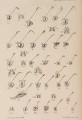
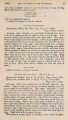
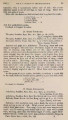
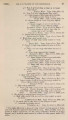
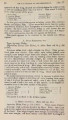
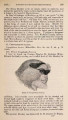
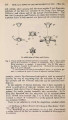
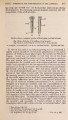
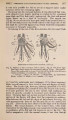
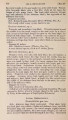
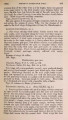
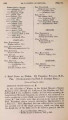
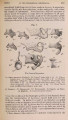
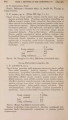
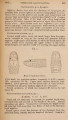
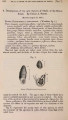
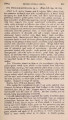
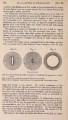
Show 1893.] VERTEBRAL AND LIMB-SKELETON OF THE AMPHIBIA. 277 it was only possible for this to act as a support under undue extension of the two remaining digits. O n laying bare the enclosed skeleton, it was observed that muscular elements were largely wanting in relation to this presumed inner digit, and that that really represented the first and second digits, bound up in a kind of syndactyly. The second one (II, fig. 16) was abnormally bent upon itself in an inward direction, and its terminal phalanx was firmly united to the single one of the first digit by a powerful ligament (lg) -which rendered independent movement of the parts impossible. O n turning to the rest of the limb-skeleton, the tibia and fibula Hind limbs of Salamandra maculosa, adult $. Fig. 15. Skeleton of left hind limb, ventral aspect. Fig. 16. The same, right hind limb, dorsal aspect, for comparison with its fellow. Tbe contour-lines of the undissectedlimbs are indicated, and the darker areas delineate centres and degrees of ossification. 3 times nat. size. c, centrale; f, fibula ; fb, fibulare ; i, intermedium ; lg, ligamentous fibres; t, tibia; ib, tibiale ; ts i-v, tarsalia; I-V, digits. (t,f) and the metatarsals and phalanges of the three innermost digits were all normal in their relative sizes and degrees of ossification. The fourth digit, however, although possessed of its full complement of phalanges, instead of being the longest of the series, as is most generally the case in this species, had undergone an arrest of growth, whereby it remained much shorter than the third. The latter digit had, in fact, usurped its function; and comparison of the figures will show that the proportionate relationships between the 3rd and 4th digits of the reduced limb (fig. 16) were approximately those of the 4th and 5th of the normal one (fig. 15). There was no trace either of a fifth digit or of its related tarsale. The tarsal elements of the reduced limb, while fully represented for the digits present, were remarkable for the complete co-ossification of the 3rd and 4th tarsalia (ts in, IT, fig. 16). O n further comparison with the normal tarsus, it was seen that all |