| OCR Text |
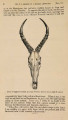
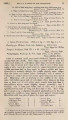
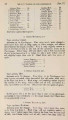
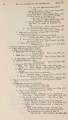
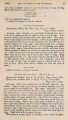
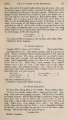
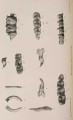
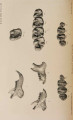
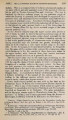
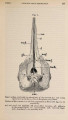
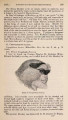
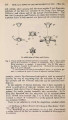
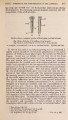
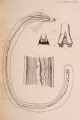
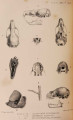
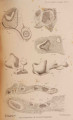
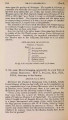
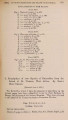
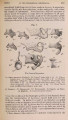
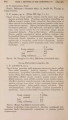
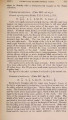
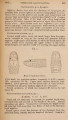
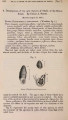
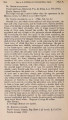
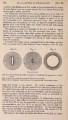
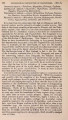
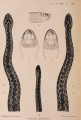
Show 1893.] VERTEBRAL AND LIMB-SKELETON OF THE AMPHIBIA. 269 vertebrae on the right side. On searching through an accumulation of Frogs' bones in m y possession, I found a specimen (fig. 2 b) which, except for certain subtle and altogether unimportant differences of an adaptive nature, closely parallels Adolphi's Toad ; and I a m indebted to m y demonstrator, M r . M . F. Woodward, for a backbone in which the opposite (left) side, instead of the Vertebral column of Bona esculenta. Fig. 1 a. The vertebral column of an individual in which the last two vertebra? had completely united, ventral aspect. Fig. 1 b. The united 8th and 9th vertebrae of the same, dorsal aspect. Fig. 1 c. The same, lateral aspect. Fig. 2 a. The correspondingly united 8th and 9th vertebrae of another individual, having a compound sacrum on the left side. Fig. 2 b. A similar case to 2 a, but with the compound sacrum on the opposite side. 2 a and 2 b, dorsal aspect. All 1^ nat. size. f, furrow, denoting the point of fusion of adjacent parts; i.v, intervertebral foramen ; tr, transverse process ; x, eminence at the point of fusion of adjacent vertebral bodies. right, was similarly modified (fig. 2 a). In his specimen the 9th transverse process furnished the sacral articulation on the non-affected side, as with Adolphi's Toad; while in m y own (fig. 2 b) the eighth fulfilled that function. Except for a relative diminution in the length of its urostyle, and for the fusion of parts already referred to, the Frog's backbone first described (fig. 1 a) wras in no respect structurally abnormal. Its anterior three vertebrae were, however, far less freely movable than is normally the case ; and in this they anticipate as it were the greater fusion of these bodies so frequently met with in Ceratophrys PROC. ZOOL. Soc-1893, No. XIX. 19 |