| OCR Text |
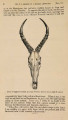
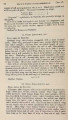
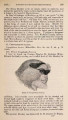
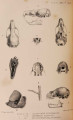
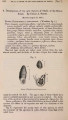
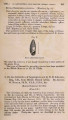
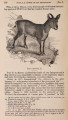
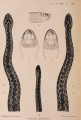
Show 690 PROF. NEWTON ON A NEW SPECIES OF DREPANIS. [Nov. 7, CTENOCHILUS PILIPALPUS. Epiponapilipalpa, Spin. I.e. p. 252 (1851). This species was based on a single female specimen. I have never seen it. 7. On a new Species of Drepanis discovered by Mr. R. C. L. Perkins. By A L F R E D N E W T O N , F.Z.S. (Communicated on behalf of the Joint Committee, appointed by the Royal Society and the British Association, for the Zoological Exploration of the Sandwich Islands.) [Eeceived November 7, 1893.] The severe labours undergone by Mr. Perkins, who has for some months past been exploring Molokai, one of the Sandwich Islands, have met with a suitable reward in the unexpected discovery of a new species of Brepanis, of which he has sent home several specimens ; and, in describing it at his request, I feel bound to express the satisfaction of the Joint Committee under whose direction he has been working, coupled with m y own regret that his modesty hinders him from introducing his discovery to the world. Its sombre plumage and the sad fate that too probably awaits the species induce m e to propose for it the name of DREPANIS FUNEREA. Diagn.-Atra, remigibus manualibus externe grisei-limbatis, rostro valde decurvato, maxilla meindibulam multo transeunte. Long. tot. 8 ; alee 4; caud. 2*75; rostri culminis 2*5; tarsi 1*25 uncc. Hab. in montibus sylvestribus insulae Molokai. The sexes are outwardly alike. Mr. Perkins states that the nasal opercula and the base of the bill between the nostrils are yellow, especially in the young ; the irides " pale yellowish-brown." It would be easy to point out characters that in the eyes of some writers would justify the foundation of a new genus for this bird. At first sight the configuration of its bill naturally suggests the genus Hemignathus; but closer inspection shows that in its breadth and height at the base it wholly agrees with Brepanis, as restricted by modern authors, only differing therefrom in its exaggerated maxilla. Some inequality in the length of the mandibles is, however, exhibited by B.pacifica, and the examples of the new species sent by Mr. Perkins show no little variability in this respect. For the rest it is distinct enough, its almost lustreless black plumage not being relieved by any yellow feathers, though the patch of that colour at the base of the maxilla must be a conspicuous feature in life. |