| OCR Text |
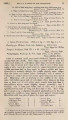
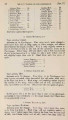
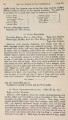
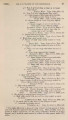
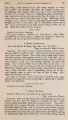
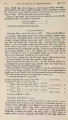
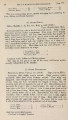
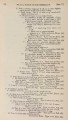
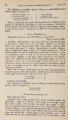
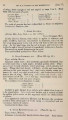
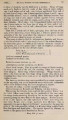
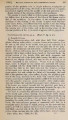
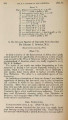
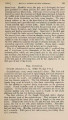
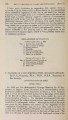
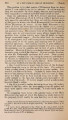
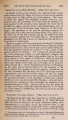
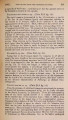
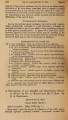
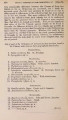
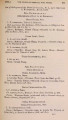
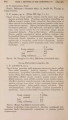
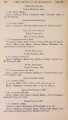
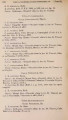
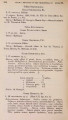
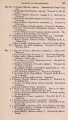
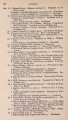
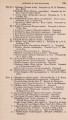
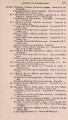
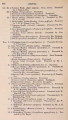
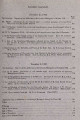
Show 1893.] M E . E. Y. WATSON ON T H E HESPEEIIDJE. 65 immediately before end of cell; vein 2 nearly equidistant from base of wing and end of cell. Hind tibise with two pairs of spurs. This genus may be conveniently divided into groups on the male secondary sexual characters. Section A.-Male without costal fold and without tuft of hairs on hind tibia?. asterodia, Trim 7. dromus, Plotz 8. vindex, Cram 9. transvaalicB, Trim 10. orbifer, Latr 11. f sao, Bergstr 12. X var. therapne, Rbr. phlomides, H.-S 13. *geron, n. sp 14. spio, Linnaeus 1. sataspes, Trimen 2. f * zebra, Butler 3. \ helias, de Niceville. f galba, Fabr 4. X *superna, Moore. ] *evanidus, Butler 5. X *var. adenensis, Butler. diomus, Hopff. 6. The above group includes all the African, most of the Asiatic, and a few of the European species of the genus, and is not found in the New World. Section B.-Male with a costal fold; no tuft of hairs on the tibise, but with these tibise furnished with numerous short spines. cribrellum, Bvers 15. Section C.-Male with a costal fold, but with no tuft of hairs on hind tibise. tesseltum, Hiibn 16. f syrichtus, Fabr 22. X' orcus, Cram. {montivagus, Beak 23. tessellata, Scud. communis, Grote. gigas, Brem 17. nomas, Led 18. poggei, Led 19. proto, Esp 20. americanus, Blanch. ... 21. This group is confined to the New World, Europe, and Central Asia. There is a single male of H. poggei in the British Museum obtained by the writer at Quetta, Biluchistan ; but this is the only species which ranges into the Indian region. The specimen above referred to, though agreeing best with poggei on the upperside, appears nearer to proto in size and in the markings of the underside. Section D.-Male with a costal fold and with a tuft of hairs on hind tibise. cashmirensis, Moore 24. cacalice, Ramb 25. f scrratulce, Ramb 26. { var. ccecus, Freyer. ' cdveus, Hiibn 27. var. onopordi, Ramb. var. carliiice, Ramb. var. cirsii, Ramb. andromeda, Wallgr 28. / centaurece, Ramb.| 29. X wyandot, Edw. hypoleucos, Led 30. (malvcB, Linn 31. X ab. taras, Meig. cynar®, R a m b 32. f carthami, Hiibn 33. X var. maischleri, H.-S. sides, Esp 34. antonia, Spey 35. *sinicus, Butl 36. maculatus, Brem 37. *bocchoris, H e w 38. *fturlivsoivgintattautsu,s M, aBbut l 4309.. asychis, Grodt 41. This group occurs in Europe, Asia, and the New World. PEOO. ZOOL. Soc-1893, No. V. 5 |