| OCR Text |
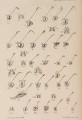
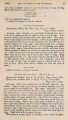
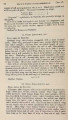
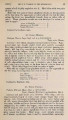
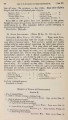
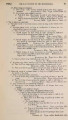
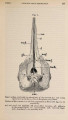
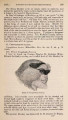
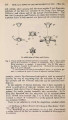
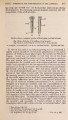
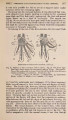
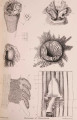
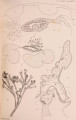
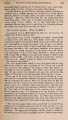
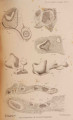
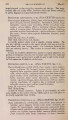
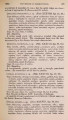
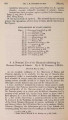
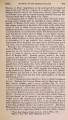
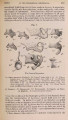
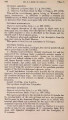
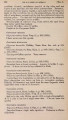
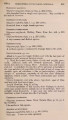
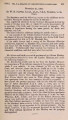
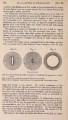
Show 1893.] MR. M. F. WOODWARD ON MAMMALIAN DENTITION. 463 lower incisor is present as in Petrogale with a rudimentary successor, the functional incisor being i2, and shows a distinct indication of its successor in the second dentition (fig. 11, i2'); no trace of i3 was observed. The canine is large and late to calcify, being uncalcified in the largest specimen examined, of which the head measured 83 m m . In the diastema between the canine and the 3rd premolar, the dental lamina presents numerous small enlargements and irregularities, some of which possibly represent the missing premolars. In the lower jaw, however, there is a very distinct vestige of a tooth in the form of an irregular enamel-organ with enamel-epithelium and pulp (fig. 14). This, from its proximity to the 3rd premolar, must represent pm2. The one functional successional premolar in the youngest specimen examined is developed as an enlargement of the dental lamina between pm3 and pm4 (fig. 21), being continuous with the slight downgrowth developed on the inner sides of those teeth (figs. 20 and 22). In this respect it differs slightly in origin from that of Petrogale, where it was directly continuous with the enamel-organs themselves, and not with any internal lamina; this m ay be due to the specimen under consideration being older than the Petrogale, as even in that form this tooth subsequently takes on this internal position. These two slight downgrowths (figs. 20 and 22) may perhaps represent rudimentary permanent teeth, in which case the two functional premolars must both be regarded as belonging to the first dentition. In the older specimens the successional premolar subsequently takes on a position internal to the posterior end of pm*, and loses its connection with pm4, with which its connection was at the best very slight. In the youngest specimen the 1st molar above and below was just formed, and while the lower one showed no indication of any accessory tooth rudiment, the upper one (fig. 26) had exactly the same relationas seen in Petrogale ; that is, a downgrowth of epithe-loid cells from the dental lamina external to and nearer the g u m than the molar itself. This, as I have before pointed out, must be regarded as a vestige of the 1st dentition, and the molar teeth, at any rate the 1st, must be regarded as belonging to the 2nd dentition. MACROPUS BENNETTII (RUEICOLLIS). One very badly preserved head. This, when clarified, showed that there were present in the premaxilla 5 incisors, the three functional being i1, il, and i6, and the two vestigial ones being i2 and is. The dried skull of a very advanced pouch foetus showed that the canine was very large for a Macropus and calcified, and I should think in all probability cuts the g u m and is shed, not reabsorbed. The first specimen was too much macerated to make out any detailed tooth relationships, and I only mention it here to show how constant is tbe presence of at least twro of these vestigial incisors (viz. i2 and i5). |