| OCR Text |
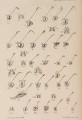
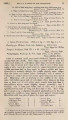
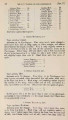
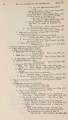
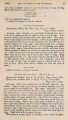
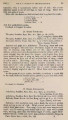
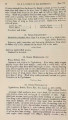
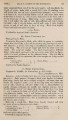
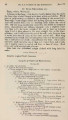
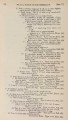
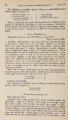
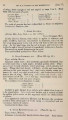
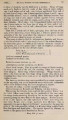
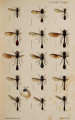
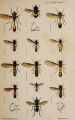
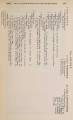
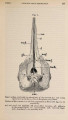
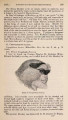
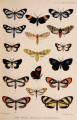
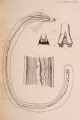
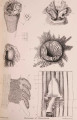
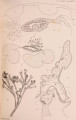
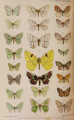
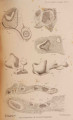
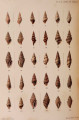
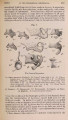
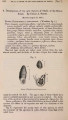
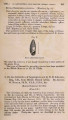
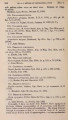
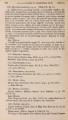
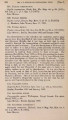
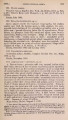
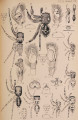
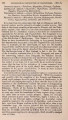
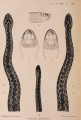
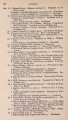
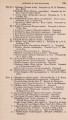
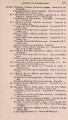
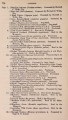
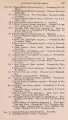
Show 1893.] ME. E. Y. WATSON ON THE HESPERIIDSE. 105 brino, Cram 7. epitus, Cram 8. evadnes, Cram 9. eegita, Hew 10. lutetia, Hew 11. of cell, curved strongly downwards ; vein 2 slightly nearer to end of cell than to base of wing. Hind wing conspicuously lobate ; vein 7 well before end of cell; discocellulars outwardly oblique; veins 2, 3, and 4 all close together ; vein 3 nearer to 4 than to 2 ; lower margin of cell slightly angled at vein 2, more conspicuously at vein 3. Hind tibiae with two pairs of spurs. No secondary sexual characters on fore wing of male. ethlius, Cram 1. nero, Fabr 2. ocola, Edw 3. nyctelius, Latr 4. ares, Felder 5. ochramns, Cram 6. Aud four unidentified species. Tropical American. 21. Genus PARNARA. (Plate III. fig. 29.) Parnara, Moore, Lep. Ceyl. vol. i. p. 166 (1881). Type, guttatus, Brem. Chapra, Moore, Lep. Ceyl. vol. i. p. 169 (1881). Type, mathias, Fabr. Antennae : club short and stout, terminal crook very short, tip acuminate. Palpi as in Baoris. Fore wing: inner margin longer than outer margin; cell less than two-thirds the length of costa ; vein 12 reaching costa well before end of cell; upper discocellular minute, middle very long, lower very short; vein 5 from close to bottom of cell; neuration entirely as in Baoris. Hind tibias with two pairs of spurs. Male in some species with a linear discal streak on the fore wing, situated obliquely between veins 2 and 1. Section A.-Male with a discal stigma. mathias, Fabr. 1. prominens, Moore 3 mohopaani, Wllgr. *agna, Moore 2 *chaya, Moore. mencia, Moore .... ... 4, Section B . - N o discal stigma in male. borbonica, Boisd 5. marchalii, Boisd 6. poutieri, Boisd 7. * flexilis, Swinhoe 8. bada, Moore 9. guttatus, Brem 10. *mangala, Moore. The sole difference between the two genera Chapra and Parnara is the presence or absence of the sexual streak of the fore wing, a character which is certainly of no value in this genus, as it would assign two such closely allied species as borbonica and mathias to two separate genera. This genus is closely allied to Baoris, from which it m ay be separated by the shape of the antennal club. African and Asiatic. |