| OCR Text |
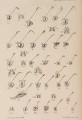
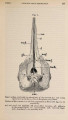
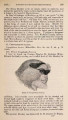
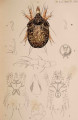
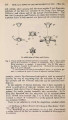
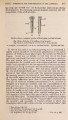
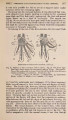
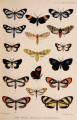
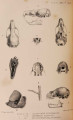
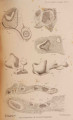
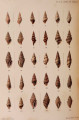
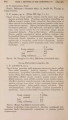
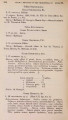
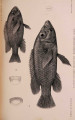
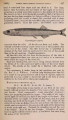
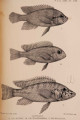
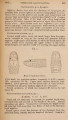
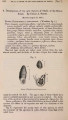
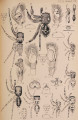
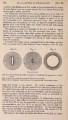
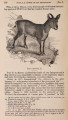
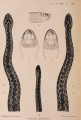
Show 168 PROP. G. B. HOWES ON HAPALE JACCHUS. [Feb. 14, black full-crested pileum, the lower parts, sides of head (below eyes), nuchal collar, lores, and frontlet wmite. XENOPSARIS ALBINUCHA. (Plate VII.) Pachyrhamphus albinucha, Burm. P. Z S . 1868, p. 635; Sci. et Huds. Arg. Orn. ii. p. 222. Xenopsaris albinucha, Ridgw. Bull. TJ. S. N . Mus. xiv. p. 479 (Oct. 22, 1891). Prospoietus albinuchus, Cab. Bericht orn. Gesellsch. Berlin, Bericht ix. p. 4 (Nov. 30, 1891); id. J. f. O. 1892, p. 126. Entire pileum (except narrow frontal band) down to the middle of the eyes glossy black, with a slight bluish lustre ; narrow frontal band (including nasal tufts), lores, suborbital region, ear-coverts, and entire under portion of head, neck, and body, white; a rather narrow greyish-white nuchal collar (immediately below the black pileum); hind neck and back uniform ash-grey; the secondaries and rump similar, but browner; wings, tail, and upper tail-coverts greyish brown, the wing-coverts narrowly and indistinctly margined with whitish, the tertials distinctly edged with white; tail darker than wings, especially towards the end, the shafts pale brown basally; outer tail-feather broadly edged and margined round end with white. Upper mandible black, lower greyish; feet dusky in dried skin. Whole length 5'0 inches, wing 2-4, tail 2-3, tarsus 0*5. Hab. Sedge-beds on the shores of the Rio de la Plata, near Buenos Ayres (Burm.). February 14,1893. OSBERT SALVIN, Esq., F.R.S., Vice-President, in the Chair. The Secretary read the following report on the additions to the Society's Menagerie during the month of January 1893 :- The total number of registered additions to the Society's Menagerie during the month of January was 104, of which 31 vere by presentation, 3 by exchange, 62 by purchase, 3 by birth, and 5 on deposit. The total number of departures during the same period, by death and removals, was 122. Prof. G-. B. Howes, F.Z.S., exhibited an abnormal sternum of the Common Marmoset (Hapale jacchus), and made the following remarks thereon :-The specimen was obtained from one of six adult skeletons1 recently macerated. The mesosternum consisted of five pairs of ossific elements, the anterior four of which were repetitionally symmetrical, but disposed alternately, instead of side by side as is most generally the case with the Mammalia. The fifth pair were comparatively insignificant and altogether invisible 2 All epiphyses united. |