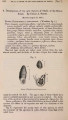
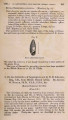
| OCR Text |
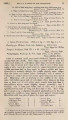
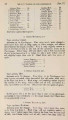
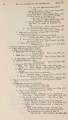
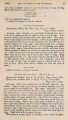
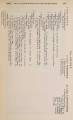
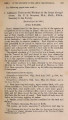
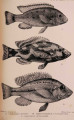
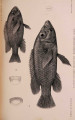
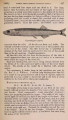
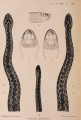
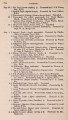
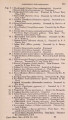
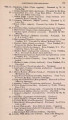
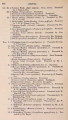
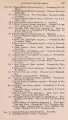
Show 1893.] FISHES PROM BRITISH CENTRAL AFRICA. 619 (Smith) ; Arthroleptis macrodactyla (Blgr.); Rappia cinctiventris (Cope, = citrina, Gthr.) ; Rappia nasuta (Gthr.). FISHES : Chromis squamipinnis (Gthr.); Chromis subocidaris, sp. n.; Chromis johnstoni, sp. n.; Chromis lethrinus, sp. Chromis tetrastigma, sp. n. ; Chromis cedlipterus, sp. n.1; lcirki, sp. n.; Chromis williamsi, sp. n.1 ; Hemichromis intermedius (Gthr.); Hemichromis modestus, sp. n. ; Hemichromis livingstonii, sp. n.; Hemichromis afer, sp. n.; Hemichromis longiceps (Gthr.); Bagrus meridionalis, sp. n. ; Synodontis zamhesensis (Ptrs.)Alestes imberi (Ptrs.) ; Mormyrus discorhynchus (Ptrs.)1; Mormy-rops zamhanenje (Ptrs.) l; Haplochilus johnstoni, sp. n. ; mesops, Gthr.2; Barbus trimaculatus (Ptrs.) 3; Engraulicypris pinguis (g. et sp. n.) l. This addition raises the number of species of fishes now known from Lake Nyasa and the Shire River to thirty-three, but the number actually inhabiting these waters may be safely estimated at thrice that figure at the very least. I subjoin descriptions of the new species, with some notes on others previously known. RHAMPHOLEON BRACHYURUS, Gthr. P. Z. S. 1892, p. 557. This species was described in the first report from a female ; Mr. Johnston has now sent a male, which does not essentially differ from the opposite sex. RHAMPHOLEON PLATYCEPS, Gthr. P. Z. S. 1892, p. 556. This species was also described in the first report from a female, which, besides, was mutilated. The male now sent shows that the tail is really as short as represented (in outline) in the figure given of this species. The male has a very small skinny lobe at the end of the snout, and about six distant and inconspicuous tubercular projections along the median ridge of the back. It was obtained at Tshiromo. Rhampholeo boettgeri, Pfeffer, Zool. Ergebn. Reise Stuhlmann, 1893; Rept. p. 8, Taf. i. figs. 6 and 7, may prove to be the same species. PSAMMOPHYLAX VARIABILIS, Gthr. P. Z. S. 1892, p. 557. This Snake must be very useful as a destroyer of mice ; two had examples of Mus dolichurus in their stomachs. DASYPELTIS SCABRA, L. Common. The series of scales vary from 23 to 27. I doubt the specific distinctness of B. palmarum. 1 Obtained by the Rev. J. A. Williams. 2 Caught in the Upper Shire River. 3 This species has a distinct, unserrated, osseous spine, much stronger than the rays and stronger than is figured by Peters, who had one specimen only from the Lower Zambesi. |