| OCR Text |
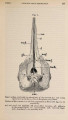
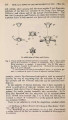
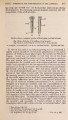
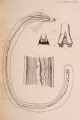
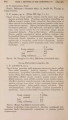
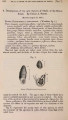
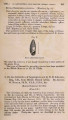
Show 474 PROF. E. C. STIRLING ON DIPROTODON-REMAINS. [May 16, 2\ inches long, and I am informed that the marsupial bones have also been found. W e have also several distinct impressions of the skin of the fore foot. " Several skeletons of a large W o m b a t about the size of a bullock have been also unearthed-probably Phascolomys gigas ; and by the last advices the discovery has been made of a frail, tenderly-built animal about the size of a sheep, of which the nature is as yet unknown. " The above account will give you some idea of the extent of this deposit of bones, which I think will undoubtedly prove to be one of the most important of its kind yet made in Australia. I am in hope that we shall be able to continue the search for some two or three months longer, by which time we shall have reaped a very rich harvest. " I ought to mention that the locality is about 600 miles north of Adelaide, in a very inhospitable country, and 180 miles from the railway. In this season of drought all carting and travelling has to be done by Camels, and the temperature averages 110° F. in the shade, occasionally rising to over 120°. Myriads of flies and frequent sand-storms are other trifling difficulties which have to be undergone by the party. " So far m y engagements have not permitted m e to get to the spot; but I hope to do so shortly. In any case it will be some time before we can get the bones down to town, as Camels are the only means of communication. W h e n w*e do get the material to work upon we ought to have something interesting to say, but in the meantime I think you will be glad to have this preliminary report, however fragmentary .... I send you herewith a rough sketch of one of the specimens in situ which will better explain some of the points I have mentioned, more especially with regard to the feet. Photographs of others have been taken, but I have not yet received copies ; and indeed the impurity and scarcity of the water available has been so far a great hindrance to the development of the plates. The last advices I have received are nearly a month old, owing to the difficulties of access to the place, and I expect a good deal has been done since then. " In writing to Sir W . Flower some weeks ago I was only able to mention that w e bad dropped into what seemed to be a good ' find,' but I was unable to give him any details. Perhaps, if you see him you will let him know how wTe are getting on. ". . .This is a very hurried letter, but I only received to-day my last advices about the Biprotodon, and the mail which I wish to catch goes to-morrow. Pray, therefore, excuse m y imperfect sketch, which I only send as it is because I know you will be interested, and because I should like you to be the first to receive the information such as it is. " Addendum. Professor Tate informs m e that the geological formation of this salt-lake district of South Central Australia must be considered Pliocene. Lake Mulligan is, like Lake Eyre, Lake Frome, and other neighbouring lakes marked in the map, a vast |