| OCR Text |
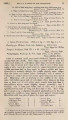
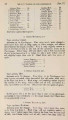
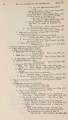
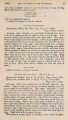
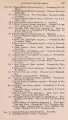
Show 248 MR. P. L. SCLATER ON THE [Mar. 14, Cercopithecus griseo-viridis, Desm. Mamm. p. 61 (1820) ; Martin, M . An. p. 518; Blanford, Zool. Abvss. Exp. p. 224; Sci. List Vert. (1883) p. 6. Grivet (Cere, griseus), F. Cuv. M a m m . i. pi. 22 (1819). Hab. East Africa: Abyssinia (Ruppell and Blanford); Sennaar (Clot-Bey). Thez'e is a great difference of opinion as to what the Simia sabcea of Linnaeus refers to. It is therefore better to reject the name altogether, and to call this species griseo-viridis. The " Grivet" also pretty common in captivity, but not so frequently imported as the Vervet and Green Monkey. Its long white whiskers and the blue scrotum of the male distinguish it from C. callitrichus, its West-African representative. 12. CERCOPITHECUS CALLITRICHUS. Cercopithecus callitrichus, Geoffr. Cat. p. 23; Schl. Mus. P.-Simice, p. 73 ; Sci. List Vert. (1883) p. 7. Callitriche (Cere, sabceus), F. Cuv. M a m m . i. pi. 21. Cercopithecus sabceus, Wagn. Saug. v. p. 4 0; Martin, M . An. p. 519. Chlorocebus sabceus, Gray, Cat. Monk. p. 25. Hab. Senegambia (Mus. Lugcl.); Liberia (scarce, Biittikofer). The Green Monkey is, I think, the commonest of this section in captivity next, perhaps, to the Vervet. W e have generally a good supply of specimens of both these species, which do well in our Gardens. The yellow-tinged and shorter whiskers and the green scrotum of the male distinguish the Green Monkev from the O a/ Grivet. The Green Monkey has been introduced in some of the West- Indian islands, and has become an indigenous species there. See m y notes on this subject, P. Z. S. 1866, p. 79. It is said also to have been introduced into St. Iago-one of the Cape Verd group (Schl. Mus. P.-B. Simice, p. 74). 13. CERCOPITHECUS LALANDII. Cercopithecus lalandii, Geoffr. Diet. univ. d'Hist. nat. iii. p. 305; id. Cat. Prim. p. 2 1 ; Wagner, Siiug. v. p. 39 ; Sci. List Vert. (1883) p. 6. Cercopithecus pygerythrus, Martin, M . An. p. 521; Schl. Mus. P.-B. Simice, p. 76. Hab. South Africa, Cape Colony. " The Vervet is closely allied to the Malbrouck and Grivet, so that a little care and attention are necessary to enable the observer to discriminate between them. It differs, however, from both in having the fur long, and rather coarse, and of a much greyer tint, the wash of olive being less decided, in the tail being black, nearly throughout its whole length; and in the superciliary bristles being very conspicuous. From the Malbrouck it may be distinguished by the muzzle being less thick and heavy, and from the |