| OCR Text |
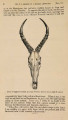
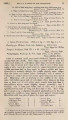
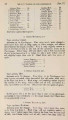
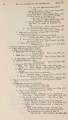
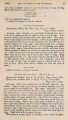
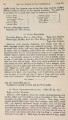
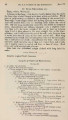
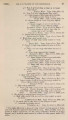
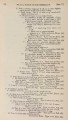
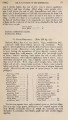
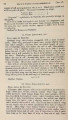
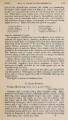
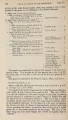
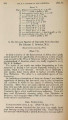
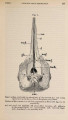
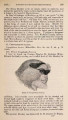
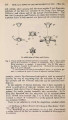
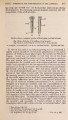
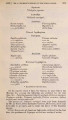
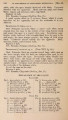
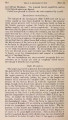
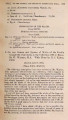
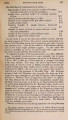
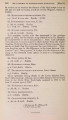
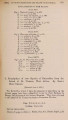
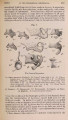
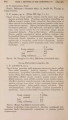
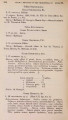
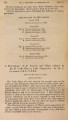
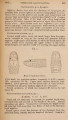
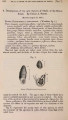
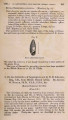
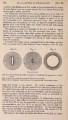
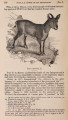
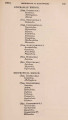
Show 172 MR. R. LYDEKKER ON THE CORACOIDAL [I eb. 14, The author's views as to the phytogeny of the Ratita? are shown in the following diagram :- DINORMlb P/^CHYORNIS ANOMALOPTtRV* R HE A.PTERYX This Memoir will be published entire in the Society's ' Transactions.' The following papers were read:- 1. Note on the Coracoidal Element in Adult Sloths, with Remarks on its Homology. By R. L Y D E K K E R , B.A., F.Z.S. [Received December 28, 1892.] It has been ascertained by the late Professor Parker that the coracoidal element in the pectoral girdle of the Sloths ossifies independently from the scapula; but I have not seen it recorded that the division between the two elements can be observed in the adult condition. That such, however, is sometimes the case is proved by a mounted skeleton of Brady pus in the Natural History Museum, of which the right half of the pectoral girdle (exclusive of the clavicle) is represented in the drawing now exhibited (see woodcut, p. 173, fig. 1). The suture, although anchylosed, is distinctly visible, and shows that the coracoidal element forms a small moiety of the glenoid cavity ; the suture passing from the latter to the upper border of the coraco-scapular foramen, and being continued from the lower edge of the latter to the free lower margin of the compound bone. I have also observed the coracoidal element perfectly distinct in the skeleton of an immature Sloth in the Museum. The large size and the distinctness of the coracoidal element in the pectoral girdle of the Sloth appear to me to afford considerable support to the view that the Edentates form a group of equal value with the typical Eutheria. |