| OCR Text |
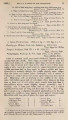
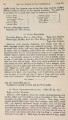
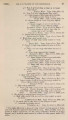
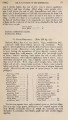
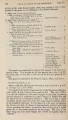
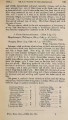
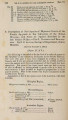
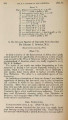
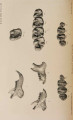
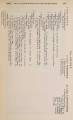
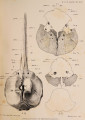
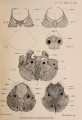
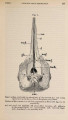
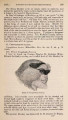
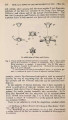
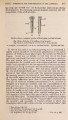
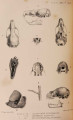
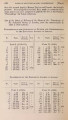
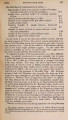
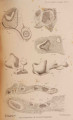
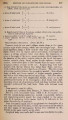
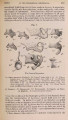
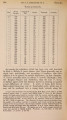
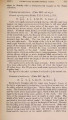
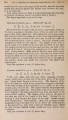
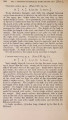
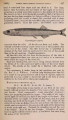
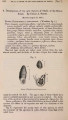
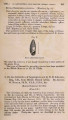
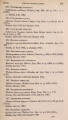
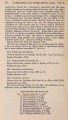
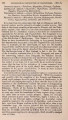
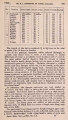
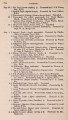
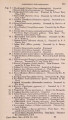
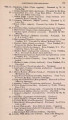
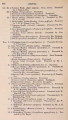
Show 230 MR. H. O. FORBES ON THE [Feb. 28, Mesoplodon haasti, Flower, Tr. Z. S. x. p. 419 (1878). Oulodon grayi, Haast, Van Beneden & Gervais, Osteog. des Cet, p. 516, pi. lxii. In examining the list of specimens of this species which I have enumerated above, they fall into three groups :-(1) 1 he young forms in which the mesorostral groove is empty (A, Aa, ii) ; („) those in which the groove is solidly filled up with porcellaneous ossification (I, J, K, L ) ; and (3) the intermediate forms, in which what will become the mesorostral bone of Turner is in younger or more advanced stages of growth (C, D, E, F, G, H),~of these Gr and H are approaching maturity. # , The table on the opposite page gives the principal dimensions ot all the more complete specimens measured by m e which I attribute to Mesoplodon grayi, Haast. On comparing these measurements and the photographs of the crania which I exhibit, it is impossible not to be struck with the similarity of their general outlines-Mesoplodon haasti (L) with the type (K): M. australis (Flower) (J) with the Kaiapoi skull (I); and the skull from the skeleton of the co-type in the Canterbury Museum (H) with Van Beneden's figure of M. grayi, Haast. The skull of the younger Otago Museum specimen (A) graduates through tbe Chatham Island form (D) to the somewhat older representative in the Museum of the Royal College of Surgeons (C). The known female forms have more gracefully attenuated rostra, the males wanting in this respect somewhat owing to a greater development of the buttress formed by the maxillaries, palatines, and pterygoids. The female rostra are also longer than those ot the males, as the measurements show where the sexes have been determined. Seen from above. The form of the rostrum may be observed (fig. 1, p. 221) in the younger specimens to be wider at the base and less slender throughout its length than in individuals of greater age. Ine maxillary tubercle has a more sloping and less acute-angled shoulder, and the maxillary bones (mx) are wider, and form, as they emerge on the rostrum, a more prominent flange (or upper border) to the basirostral groove on each side, than in older specimens. They run forward on the sides of the rostrum (well seen in Van Beneden's figure of M. grayi) along the premaxillaries as broad bands, one on each side, narrowing and descending towards the inferior surface as they proceed, while with the increasing age of the animal they become narrower and shorter on the sides ot the rostrum, thus reducing the length and prominence of the basirostral grooves through the disappearance of their superior flanges. The inferior flanges of the groove are more prominent than the superior, extending in A for 1| inch more anteriorly than the superior. In the younger forms the supraoccipital (s.oc) is wide aud flat behind, and its apex in the vertex expands more ante- |