| OCR Text |
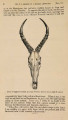
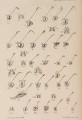
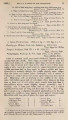
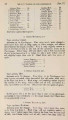
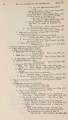
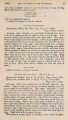
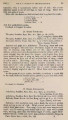
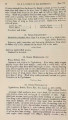
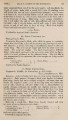
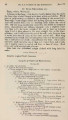
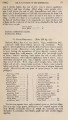
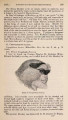
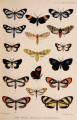
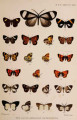
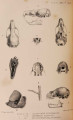
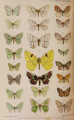
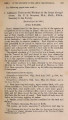
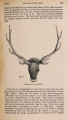
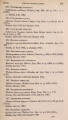
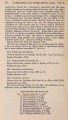
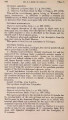
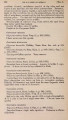
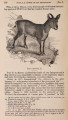
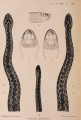
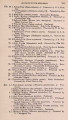
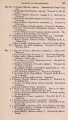
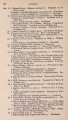
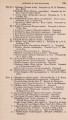
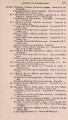
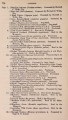
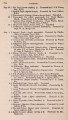
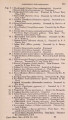
Show 1893.] ON THE MONKEYS OP THE GENUS CERCOPITHECUS. 243 2. O n a n e w African M o n k e y of the Genus Cercopithecus, with a List of the k n o w n Species. By P. L. S C L A T E R, M.A., Ph.D., F.R.S., Secretary to the Society. [Received March 8, 1893.] (Plates XVI. & XVII.) Since the Monkeys of the characteristic ^Ethiopian genus Cercopithecus were reviewed by Martin1, Geoffroy St.-Hilaire2, Wagner3, Gray4, and Sehlegel5, many additions have been made to the series. Having had occasion to look up the recent contributions to our knowledge of this subject, I have thought that it might save future workers some trouble if I ask the Society to accept for publication a new list of the described species, drawn up whde I have been endeavouring to find names for some East- African members of this group which have lately come under my notice. The species of Cercopithecus6 are obviously very local in their distribution, and in many cases apparently confined to narrowly restricted areas. I have therefore added under the head of each species a short record of the positively ascertained localities in which it has been procured. I have also indicated the species of which we have received living examples in the Society's Gardens. I have not included Myopithecus (with the last inferior molar with three tubercles only) and Cercocebus (with the last inferior molar with five tubercles) in m y list, but only the typical Cerco-pitheci (with the last inferior molar with four tubercles). Of this genus as limited by Geoffroy St.-Hilaire some 45 species have been described. I will divide these into two categories :- those of which I have personally examined specimens, and those which I know only from their published descriptions. The 31 species known to m e may be divided for convenience of treatment into six sections as follows :- Species. Sect. A. Bhinosticti. With a distinct nose-spot, white, blue, or red .. 1-9 1 Martin, ' General Introduction to the Natural History of Mammiferous Animals.' London, 1841. 2 Geoffroy St.-Hilaire, in d'Orb. Diet. univ. d'Hist, nat. iii. p. 296 (1843). 3 Wagner, Saugeth. v. p. 38 (1855). 4 Gray, Catalogue of Monkeys, &c. p. 20 (1870). 5 Sehlegel, Mus. d.Pays-Bas, Simia, p. 68 (1876). 6 The generic name Cercopithecus, though used by Ray, Klein, and Brisson, and in a binomial sense by Erxleben, appears to have been first restricted to the African group of Monkeys to which it is now universally applied by Martin in his ' Natural History of Mammiferous Animals' (1841). Cercopithecus is a good classical term. Martial says (Epigr. xiv. 202): - " Callidus emissas eludere Simius hastas, " Si mihi cauda foret, Cercopithecus eram." |