| OCR Text |
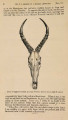
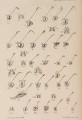
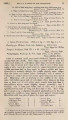
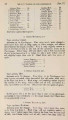
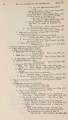
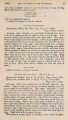
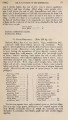
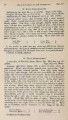
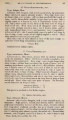
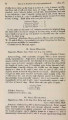
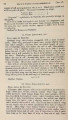
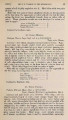
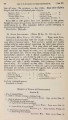
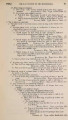
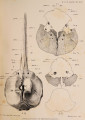
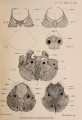
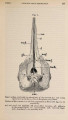
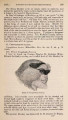
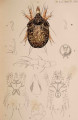
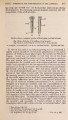
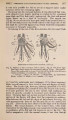
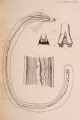
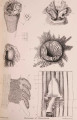
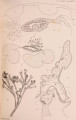
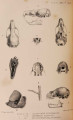
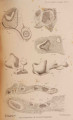
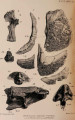
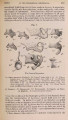
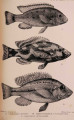
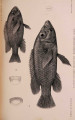
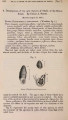
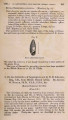
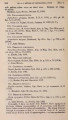
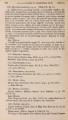
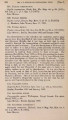
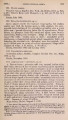
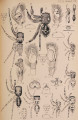
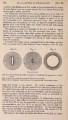
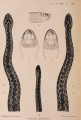
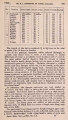
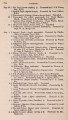
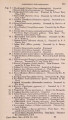
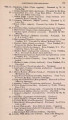
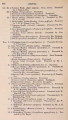
Show 216 MR. H. O. FORBES ON THE [Feb. 28, 2. Observations on the Development of the Rostrum in Cetacean Genus Mesoplodon, with Remarks on some of the Species. By H E N R Y O. FORBES, F.Z.S., F.R.G.S. [Received January 17, 1893.] (Plates XII.-XV.) In the course of my duties as Curator of the Canterbury Museum, Christchurch, N . Z., I had occasion to study the Cetacea in that collection. In m y determination of the species of Mesoplodon I was necessarily guided by the authoritative papers on this group by Sir William Flower in the ' Transactions ' of this Society, and by Sir William Turner in his Report on the Cetacea of the ' Challenger' Expedition. In his paper in volume x. of our ' Transactions,' page 422, Sir William Flower observes, in speaking of a form near to Mesoplodon grayi, Haast:-" Making every allowance for individual variation, it scarcely seems possible that a rostrum such as that shown in figure 2 [i. e. Mesoplodon grayi: Plate X I V . fig. 3] could change in the course of growth to that in figure 3 [i. e. Mesoplodon haasti, Flower: Plate XII. fig. 2]. If so, most of the determinations of the fossil species based solely on the form of the rostrum are quite valueless." The same author, on an earlier page (page 420) of the same paper, remarks :- " There is still much to be learned with regard to the mode of ossification of this cartilage. All the specimens which I have bad an opportunity of examining are either so young that ossification has not commenced, and the trough of the vomer in the rostrum proper is completely empty in the dried skull, or so old that the consolidation of the cartilage and its union with the surrounding bone has been completed." In having lived for some time in the region in which this genus is not uncommon, I have been fortunate in having had an opportunity of examining several immature crania in which the relations of the bones which constitute the rostrum were such as to enable m e to trace some unobserved stages in their development. These observations I have thought of sufficient interest to lay before the Society, especially as they bear on some of the characters by which the various forms of Mesoplodon and Ziphius, both recent and fossil, have been separated from each other. The deductions I have arrived at in this paper are based on a personal examination and comparison of the following specimens:- A. A very young (and, according to Haast, a male) skull, with its mandible,-one of three specimens sent from the Chatham Islands to Sir Julius von Haast in 1875. It is a co-type of Mesoplodon (Oulodon) grayi, Haast, described in vol. ix. of the ' Transactions ' of the ISr.Z. Institute. In this specimen the vomerine trough is quite empty. It forms part of the colbction in the Otago Museum, Dunedin, N.Z. A«. A young specimen in the Otago Museum, Dunedin, in |