| OCR Text |
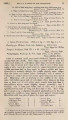
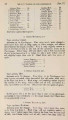
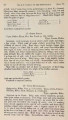
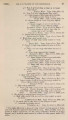
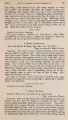
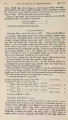
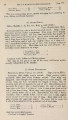
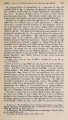
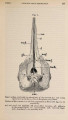
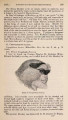
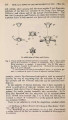
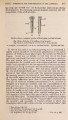
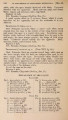
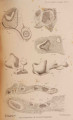
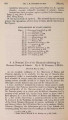
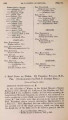
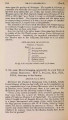
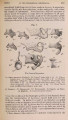
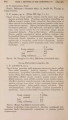
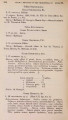
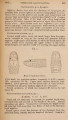
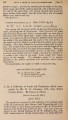
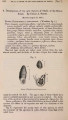
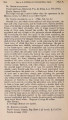
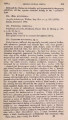
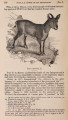
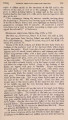
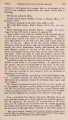
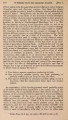
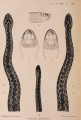
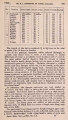
Show 1893.] DR. G. L. JOHNSON ON THE SEAL'S EYE. 721 like 1| in. focus in air to see with under water. But this cannot be made of glass, since the latter has nearly the same refractive index as water. To meet this difficulty Dr. Dudgeon some years ago had a pair of spectacles made consisting of portions of two hemispheres of plain glass with parallel surfaces, mounted in a brass ring with their convex surfaces nearly touching one another. I have brought the original pair to show you. In air they produce no effect, neither magnifying nor reducing; but in water the biconcave air-lens, for such it is, becomes a biconvex one, the convex surfaces of the water in this case forming the lens. Dr. Dudgeon, who has the credit of entirely solving this problem, made a number of sketches under water, one of which I have reproduced. Were it not for the distortion and astigmatism everything could be seen ; even the date on a coin can be made out. Fig. 1. Fig. 2. Transverse section of the Seal's eye; natural size. (Diagrammatic.) Fig. 1 shows the patb of ligbt-rays in the eye when uncorrected under water. Fig. 2 shows tbe path of rays when the eye is corrected for air. In the Seal's case the problem is rather more complicated, for the Seal has to see under four conditions. He has to see out of water when out of water, in water when under water, out of water when under the water, and in water when out of the water. The first two conditions alone need be considered, as the two latter follow by necessity. N o w the Seal's eye is very much the same shape as our own, excepting that the cornea is larger and more convex and the anterior chamber very deep. This convexity of the cornea is very curious, as one would expect to find it nearly flat as in the fish- since the flatter the cornea and the nearer the lens to it, the less |