| OCR Text |
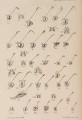
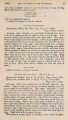
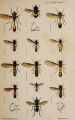
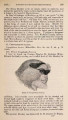
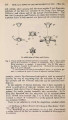
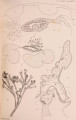
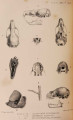
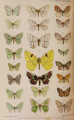
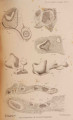
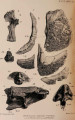
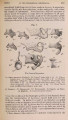
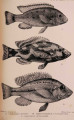
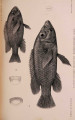
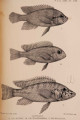
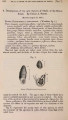
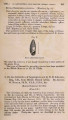
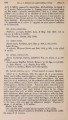
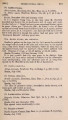
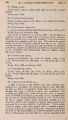
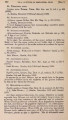
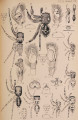
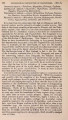
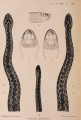
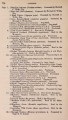
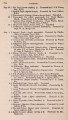
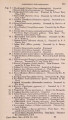
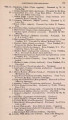
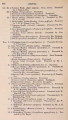
Show 624 DR. A. GUNTHER ON REPTILES, BATRACHIANS, AND [Nov. 7, CHROMIS KIRKII, sp. n. (Plate LVI. fig. A.) D. j. A. g. L. lat. 29. L. transv. ^. Teeth distinctly bicuspid, each with two subequal brownish cusps, from seventeen to nineteen on each side of the outer series of the upper jaw. Scales below the eye very thin, in three rather irregular series. In a specimen 4| inches long the diameter of the eye is rather more than the width of the prseorbital or than the depth of the scaly portion of the cheek, but equal to the width of tbe interorbital space, which is flat. The angle formed by the praeopercular limbs is an obtuse cne. The height of the body is two fifths tbe length of the head, one third of the total (without caudal). The longest dorsal spine is not quite one half of the length of the head. Pectoral fin extending to, or a little beyond, the origin of the anal fin. Caudal fin covered with minute scales. Scales rough, with minute projections on the margin. A rather narrow straight black stripe runs from the opercular spot to the end of the lateral line ; another similar band, but broken up into spots, runs along the side of the back, and is absent in very young individuals. The soft dorsal with oblique, alternate, lighter and darker bands. No band across the praeorbital. Several specimens, the largest being 1| inches in length. CHROMIS WILLIAMSI, sp. n. (Plate LVI. fig. C.) D. ^7. A. \. L. lat. 28. L. transv. ^. Teeth deeply bicuspid, brown at the tip, the inner cusps being much larger than the outer; twenty-six or twenty-seven on each side of tbe outer series of the upper jaw. Scales below the eye in four series ; the scales on the neck between the anterior dorsal spines and the beginning of the lateral line are remarkably small. In a specimen 4g inches long the diameter of the eye exceeds the width of the praeorbital, is equal to the depth of the scaly portion of the cheek and less than the width of the interorbital space, which is rather convex. The angle formed by the praeopercular limbs is a right one. The height of the body is a little more than the length of the head, which is one third of the total (without caudal). The length of the last dorsal spine is less than one half of that of the head. Pectoral fin not quite reaching the vent; caudal fin covered with scales. Scales rough, without spines on the margin. Body nearly uniform dark-coloured, with a black spot on the end of the operculum, and another at the root of the caudal fin ; vertical fins blackish, the dorsal with a broad black margin and the anal with a small milky-white spot between the fifth and sixth rays. A single specimen, 4g inches long, obtained by the Rev. J. A. Williams. |