| OCR Text |
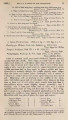
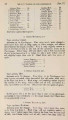
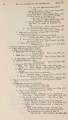
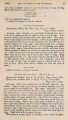
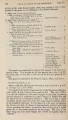
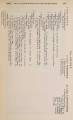
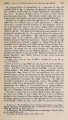
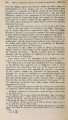
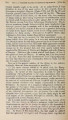
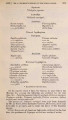
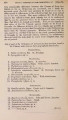
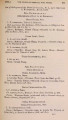
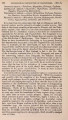
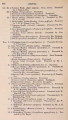
Show 32 ME. E. Y. WATSON ON THE HESPEEIIDiE. [Jan. 17, or tail; vein 7 more than twice as far from 8 as from 6 ; discocellulars very faint, outwardly concave ; vein 5 wanting ; vein 3 at end of cell; vein 2 less than twice as far from base of wing as from end of cell, nearer to base of wing than vein 7. Hind tibise fringed and with two pairs of spurs. zarex, Hiibn 1. rcei's,Hubn 5- *aunus, Fabr 2. cincta, H.-S o-bipunctatus, Gmel 3. *phrynicus, H e w 7. itylus, Hiibn 4. And three unidentified species. 27. Genus COGIA. Cogia, Butler, Trans. Ent. Soc. Lond. p. 508 (1870). Type, hassan, Butler. Antennse : club moderate, bent at about a right angle, tapering to a fine point. Third joint of palpi slightly projecting from the clothing of second joint. Fore wing: outer margin longer than inner margin; no costal fold in male ; cell more than three-fifths the length of costa; vein 12 reaching costa before the end of the cell; middle and lower discocellulars inwardly oblique and in the same straight line, the middle the longer ; vein 3 twice as far from 2 as from end of cell; vein 2 more than twice as far from end of cell as from base of wing. Hind wing : vein 7 only slightly further from base of wing than from end of cell; discocellulars erect, faint; vein 5 barely traceable ; vein 3 just before end of cell; vein 2 rather nearer to end of cell than to base of wing. Male with an erectile tuft of hairs on upperside of hind wing, attached immediately below the origin of the median nervule. hassan, Butl 1. {calchas, H.-S 2. X terranea, Butl. A n d one unidentified species. Confined to tropical America. 28. Genus EPHYRIADES. Ephyriades, Hiibn. Verz. p. Ill (1816). Type, otreus, Cramer. Oileides, Hiibn. Exot. Schmett. ii. (1822-26). Type, zephodes, Hiibn. Antennse as in Cogia. Palpi more widely separated, porrect; third joint rather conspicuous. Fore wing: inner and outer margins subequal, or the inner slightly the longer; no costal fold in male ; cell just over two-thirds the length of costa; vein 12 reaching costa almost opposite to the end of cell; middle and lower disco°- cellulars almost erect, subequal; vein 5 slightly nearer to 6 than to 4; vein 3 very shortly before end of cell, more than three times as far from 2 as from 4 ; vein 2 more than twice as far from base of wing as from end of cell. Hind wing: vein 7 close to end of cell remote from base of wing; discocellulars faint; vein 5 barely |