| OCR Text |
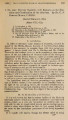
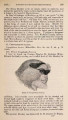
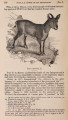
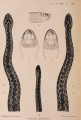
Show 1893.] MR. P. L. SCLATER ON THE GIBRALTAR MONKEYS. 325 April 18, 1893. Sir W. H. FLOWER, K.C.B., LL.D., F.R.S., President, in the Chair. The Secretary read the following report on the additions to the Society's Menagerie during the month of March:- The registered additions to the Society's Menagerie during the month of March were 107 in number. Of these 58 were acquired by presentation, 17 by purchase, 5 by exchange, 21 were born in the Gardens, and 6 were received on deposit. The total number of departures during the same period, by death and removals, was 118. The most noticeable additions during the month were :- 1. Three White-tailed Gnus (Connochcetes gnu), from tbe Transvaal (a male and two females), obtained by purchase March 7th. 2. Three Spring-boks (Gazella euchore), from South Africa, deposited by H.R.H. the Prince of Wales. Mr. Sclater exhibited the skin of a singular variety of a (female) Pig-tailed Monkey, Macacus nemestrinus, from the Baram Biver, Sarawak, Borneo, which had been deposited in the Society's Gardens by Major P. Day, on the 13th July, 1892, and had died on the 9th January of the present year. The specimen was of a dark fulvous above, darker in the mesial line, much paler on the lower surface, and growing nearly white on the middle of the chest. Mr. Charles Hose, who was well acquainted with the specimen, had informed Mr. Sclater that it bad been captured by the natives of tbe Baram Biver about five years ago, and had not grown since it was in captivity. Major Day bad obtained it from the Rajah of the district. Mr. Hose had no doubt of its being simply a variety of Macacus nemestrinus, in which opinion Mr. Sclater fully concurred, but thought the specimen worthy of notice. Mr. Sclater read a communication from General Sir Lothian Nicholson, K.C.B., E.E., Governor of Gibraltar, which he had received during a recent visit to Gibraltar. In reply to inquiries about the present condition of the Barbary Apes (Macacus inuus) on tbe Bock, Sir Lothian stated that they were now distinctly increasing in numbers. H e had himself counted as many as thirty in one group, and, according to some reports, there were altogether as many as double that number on the Bock. In fact they were so numerous and their depreciations had become so serious that a short time ago an agitation bad been got up for their reduction in numbers, and it would perhaps be necessary to thin them a little, but their extermination was quite out of the question and would not be thought of. |