| OCR Text |
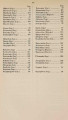
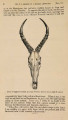
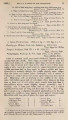
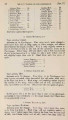
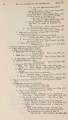
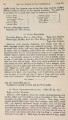
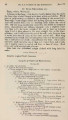
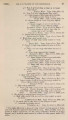
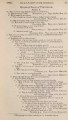
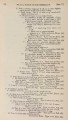
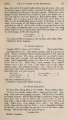
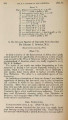
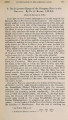
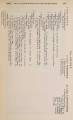
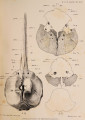
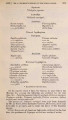
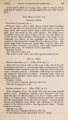
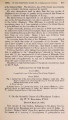
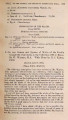
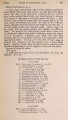
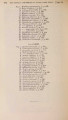
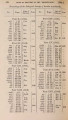
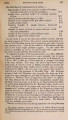
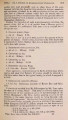
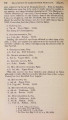
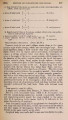
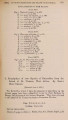
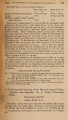
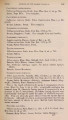
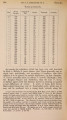
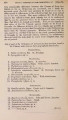
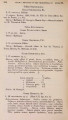
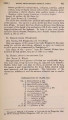
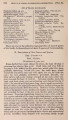
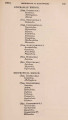
Show 188 DR. 0. J. FORSYTH MAJOR ON MIOCENE SQUIRRELS. [Feb. 28, aubinnii), presents a closer approximation towards the hystricine type in the relatively large infraorbital opening \ Again, another group of Ethiopian Squirrels (Sc. rufobrachiatus, Sc. annulatus, Sc.punctatus, Sc. shirensis),belonging to the Sciurus-vulgaris- type by the characters of their dentition, show in the conformation of their skull some approach towards Xerus; whilst, on the other hand, a few species, which from the form of their skull cannot be separated from the Xm«-group, tend by the characters of their molars somewhat towards the Sciurus-vulgaris-type, as, for example, amongst Oriental Squirrels the Sc. tristriaius and Sc. palmarum. If w e try to express by a systematic arrangement these various relations, two courses appear open to us : either to unite Xerus with Sciurus, or to create separate genera for those groups of species which depart from Sciurus in approaching Xerus. However, neither of these two suggestions seems satisfactory. By uniting Xerus with Sciurus this last genus would become still more heterogeneous than it is already-Xerus, sensu stricto, having besides near relationships with Spermophilus. By splitting up Sciurus in various genera, the relationships of these last to Xerus would not be seen in their true light. So that it appeared to me more rational to adopt a middle course, viz., to detach horn. Sciurus a certain number of species, which in their skull and dentition show Xeroine affinities, and to unite them with Xerus, which last genus would thus become composed of five subgenera (see the table on the opposite page). The genus Sciurus, distinguished from Xerus by characters of the skull as well as of the dentition, is divided into three subgenera, each of which is characterized by cranial and dental peculiarities. Subgen. a, Eosciurus, contains the Oriental Giant Squirrels, which by all authors on the subject, with the exception of Anderson, have been recognized to be a distinct group; in 1842 P. Gervais2 pointed out the characters of the skull. As I have already stated more than once, the molars are perfectly brachydont, with delicate rugosities of the enamel-covering. Only one superior premolar. In the subgenus b. Sciurus w e have four divisions :-(a) A small group of Ethiopian Squirrels, characterized by the absence of the minute superior premolar, and, as a compensation, a very elongate posterior premolar. On the rest, the dentition is similar to that of Sciurus vulgaris. I have before described the slight differences in the molar pattern of division /3, containing the majority of so-called 1 Their skull in general, and most of all that of Sc. ebii, is so strikingly Acrits-like, with the only exception of the jugalia not being depressed, that it seems not possible to maintain them in the genus Sciurus if Xerus be maintained as such. 2 P. Gervais, "Description de l'Ecureuil Delessert, accompagnee de quelques remarques sur la famille des Rongeurs sciuriens," Magasin de Zoologie, 2. iv. 1842, p. 4, |