| OCR Text |
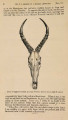
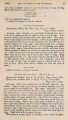
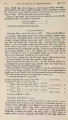
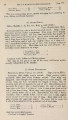
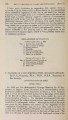
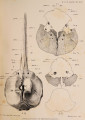
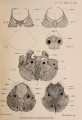
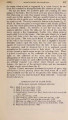
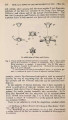
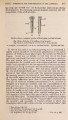
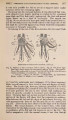
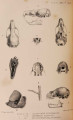
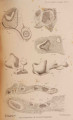
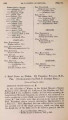
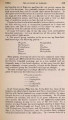
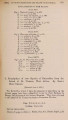
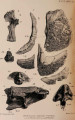
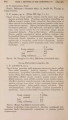
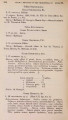
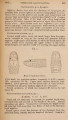
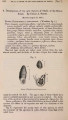
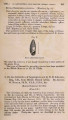
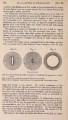
Show 1893.] CETACEAN GENUS MESOPLODON. 227 3. MESOPLODON HECTORI (Gray). Berardius arnuxii, Hector, Trans. N. Z. 1. ii. p. 27 (1870). Smaller Ziphioid Whale, Knox & Hector, Trans. N. Z. I. iii. p. pis. xiii.-xv. (1871). Berardius hectori, Gray, Ann. & Mag. Nat. Hist. ser. 4, vol. viii. p. 117 (1871). Mesoplodon hnoxi, Hector, Trans. N. Z. I. vol. v. p. 167 (1873). Mesoplodon hectori, Turner, Trans. R. Soc. Edin. vol. xxvi. p. (1872); Flower, Trans. Zool. Soc. vol. x. p. 416 (1878). Since Sir William Flower's memoir on the genus Mesoplodon, no further information has been obtained as to this species, which differs so markedly from the others occurring in the same region, in the absence of a basirostral groove and in the position and form of its mandibular tooth. The Kaiapoi specimen (I in the list, p. 218) (Plate XIII. fig. 1) in the Canterbury Museum, which bears the M S . name of M. hectori (and has been referred to by Hector as M. hectori), is undoubtedly at once distinguishable from this species by the presence of a most distinct basirostral groove. In this paper therefore I have placed it under M. grayi. It is just possible that the cranium and the mandible of M. hectori, Gray, figured by Sir W . Flower, may not belong to each other. 4. MESOPLODON LAYARDI (Gray). Ziphius layardi, Gray, P. Z. S. 1865, p. 358; Owen, Crag Cet. p. 12, pi. i. (1870). Ziphius (Bolichodon) layardi, Gray, Cat. Seals & Whales B. p. 353 (1866). Bolichodon layardii, Hector, Trans. N. Z. I. vol. v. p. 166, pi. (1872). Mesoplodon longirostris, Krefft, MS.; M. guentheri, Krefft, Calliodon guentheri, Gray, Ann. & Mag. Nat. Hist. ser. 4, vol. p. 368 (1871). Bolichodon traversii, Gray, Trans. N. Z. I. vol. vi. p. 96 (1874). Mesoplodon floweri, Haast, P. Z. S. 1876, p. 478 ; id. Trans. N. Z. I. vol. ix. p. 442 (1877). Mesoplodon guntheri, Turner, Trans. R. Soc. Edin. vol. xxvi. p. 778. I exhibit a figure of the transverse section c (see fig. 2, p. 228) of a specimen in the Wellington Museum, N.Z., whose age was not quite mature (its rostrum, from the maxillary foramen, measured 2 feet 3| inches), in comparison with an example (fig. 1 b) in the Canterbury Museum, and another (fig. 1 a) figured in the ' Challenger ' Reports by Sir W . Turner. The Wellington specimen was in rather a poor condition, being considerably water-worn, and having lost by accident part of the mesorostral ossification. The anterior part of the rostral trough was still empty, though presenting a slight increase in the floor of the premaxillaries |