| OCR Text |
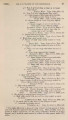
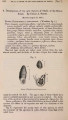
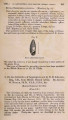
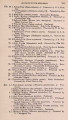
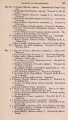
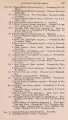
Show 1893.] FROM BRITISH CENTRAL AFRICA. 741 14. CETONIA IMPRESSA, Goldfuss. 15. RHABDOTUS AULICA, Oliv. 16. DlPLOGNATHA HEBRSA, Oliv. 17. DIPLOGNATHA SILICEA, McLeay. 18. PSEUDOCLINTERIA INFUSCATA, Gory & Perch. 19. OXYTHYREA YITTICOLLIS, Bohem., var. Vitta nigra pronoti medio late interrupta, elytris viridescentibus. Two examples. BUPRESTIDS. 20. STERNOCERA FUNEBRIS, Bohem. 21. PSILOPTERA PROX1MA, Klug. 22. PSILOPTERA AMICTA, F§,hr. 23. PSILOPTERA, Sp. 24. PSILOPTERA, Sp. LYCIDAE. 25. LYCUS, sp. One female example. TENEBRIONIDAE. 26. TRACHYNOTUS SORDIDUS, Gerst. 27. ANCHOPHTHALMUS SILPHOIDES, Gerst. 28. CATAMERUS RUGOSUS, sp. n. Oblongo-ovatus, viridi-niger aut niger, prothorace sat densepunctu-lato, viridescente aut nigro aut cceruleo-nigro ; elytris striatis, interstitiis elevatis et rugosis. Long. 7-9 mm. 3 2 • Colour varying from a greenish black or black to a dark blue on the thorax, and from a very dark green to black on the head and elytra. Legs and underside bluish black or black, and more glossy than the upperside. Prothorax finely punctured, convex, with its lateral margins almost regularly rounded in some examples, in others presenting a slight irregularity or nearly obsolete crenation. Elytra longitudinally striate, with the intervals raised and irregularly punctured and wrinkled, so that they have a somewhat roughly granular appearance throughout almost their whole extent. Posteriorly the elytra are strongly declivous or subvertical. In the male the elytra are somewhat narrower relatively to the prothorax than in the female. The sexes may further be easily distinguished by the much thicker anterior femora of the male, which are armed also with a stronger and somewhat curved spine. Three species of the genus Catamerus have been hitherto described, viz.:- |