| OCR Text |
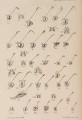
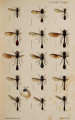
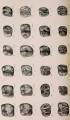
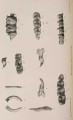
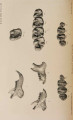
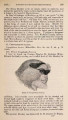
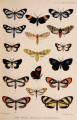
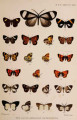
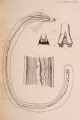
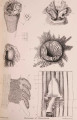
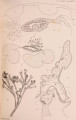
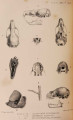
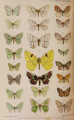
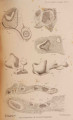
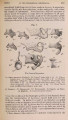
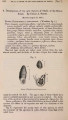
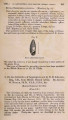
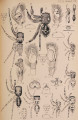
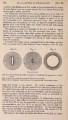
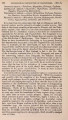
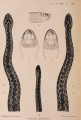
Show 536 MESSRS. H. H. DRUCE AND G. T. BETHUNE-BAKER ON [June 20, The following papers were read :- 1. A Monograph of the Butterflies of the Genus Thysonotis. By HAMILTON H. D R U C E , F.Z.S., and G. T. BETHUNE-BAKER, F.L.S.1 [Received June 20, 1893.] (Plates XLV.-XLVII.) THYSONOTIS. Thysonotis, Hiibn. Verz. bek. Schmett. p. 20 (1816); Feld. Wien. ent. Mon. iv. p. 244 (1860). Banis, Fabr. 111. Mag. vi. p. 286 (1807) (nom. praeoc.); Westw. Gen. Diurn. Lep. p. 497 (1852). Bamis, Boisd. Voy. Astr., Lep. p. 67 (1832). Plebeius, Cupido, Lyccena, Authors (part.). Banis, Butl. Cat. Fab. Lep. p. 161 (1869) (part.). Banis, Miskin, Ann. Queens. Mus. no. 1, p. 49 (1891). " General characters of Lyccena ; but with the wings generally broadly fasciated with white, not ocellated beneath, but the hind ones marked beneath with a submarginal row of black spots. Eyes hirsute. Antennae terminated by a long, gradually formed club. Labial palpi long, first two joints clothed with scaly hairs. Fore wings with the post-costal vein three-branched; the third branch arising at a considerable distance beyond tbe discoidal cell; middle and lower discocellular veins very slender; upper one short, distinct. Hind wings entire, or scolloped, and with a short tail at the extremity of the first branch of the median vein. Fore legs of the female short. Basal joint of the tarsi much thicker than the rest and elongate, spined at the tips of the joints."-Westw. loc. cit. " I am unable to give a satisfactory detailed character of this genus, having only been able to examine a very imperfect female in the collection of the Linnean Society, from which the accompanying figure was taken. It appears very (perhaps too) close to Lyccena, B. hylas resembling the tailed Indian species of that genus. The blue colour of the upperside is particularly brilliant, and the species inhabit the Moluccas, New Guinea and the adjacent islands."-Westw. ibid. On reference to the accompanying plate it will be seen that the genus Thysonotis can at once be distinguished from Lyccena by the anastomosing of the costal nervure with the first subcostal nervule. It is also remarkable for the length of the terminal joint of the palpi of the female. In 1779 2 Cramer described a butterfly and figured it under the name Papilio danis. In 1804 Herbst referred to and refigured the same insect under 1 Mr. Q. T. Bethune-Baker is responsible for the descriptions and drawings of the genitalia of the various species, whilst I am responsible for the synonymy and notes concerning the species.-H. H. D. 2 1775 according to Mr. Kirby, Ent. M o . Mag. xiv. p. 278. |