| OCR Text |
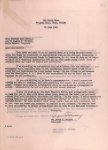
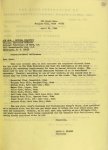
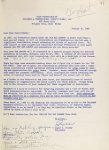
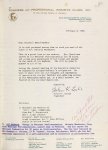
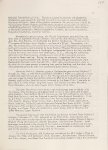
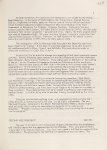
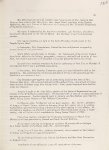
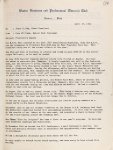
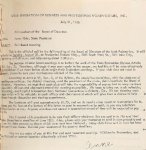
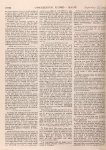
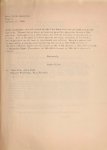
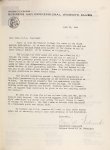
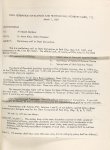
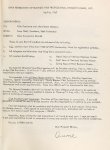
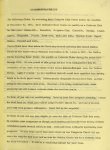
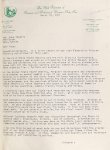
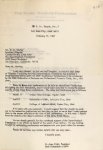
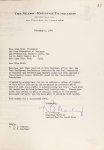
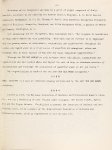
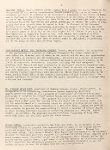
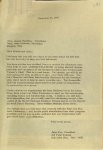
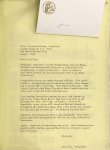
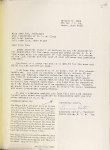
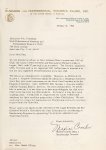
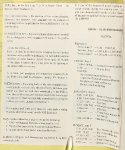
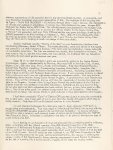
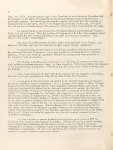
Show CONGRESSIONAL RECORD which provides that tion 704(b) of Title VII, practice it shall be an unlawful employment or cause for an employer to print, publish, where hibitions of the statute except of determin section 704(b). It con that this section position 'refers only to the individual advertisement the covered employer labor or of organization, This advertisement itself shall not in etc. dicate any preference, limitation, specifica tion, or discrimination relating to race, color, religion, sex, or national origin. Now it is true that the individual adver tiser may select the heading under which the ad will appear, and it i:s true that the over whelming majority of major newspapers still retain "male" and "female" headings. How ever, it is our view that the advertiser's deci place sion to other is his ad in one column the or if not principally, based generally on a desire to clude applicants of a particular sex. ample, we have informed been ex For ex that those advertisers who, in the early days of the oper ation of Title VII, moved their advertising from the "male" or the "female" column to the "male and female" column found that the response to these ads dropped off mark edly. Th.us, it is primarily the reading habits of job seekers which presently dictate the placement of ads. Of course, it should be noted that these column headings do not pre vent persons of either sex from scanning the area of the "jobs avatlable" page where jobs' of particular interest to the individual may be found. Nor do the headings indicate that qualified persons of either sex will not be considered on an equal basis for the adver tised job. It may well be that the best solution to this problem would be total abandonment of help wanted columns classified by sex. However, the newspaper industry does not regard this as a feasible solution, and, as you know, sec tion 704(b) is not appltcable to the policies of the newspapers in classifying advertising. We do not regard the classification of help wanted advertising by sex as completely anal ogous to such classincatton by some job categories are and race. While to are' likely remain of particular interest to members of one sex or the other, this cannot be said of job classifications by race, and accordingly where an advertiser places his ad in a column classified to one race we would be compelled to the conclusion that his purpose is to clude applicants of other races. As was said when the Commission published its sex guidelines, our ex first day-to-day experiences will be reviewed often, and policies will be altered and updated in our our continuing effort to eliminate job discrimi nation based on sex. We appreciate very much your comments and also look forward to receiving your help and counsel in every area of our actlvity. 222-168-3703 further LUTHER inforces traditional prejudicial attitudes limiting women to the less rewarded and less rewarding types of work. HOLCOMB, mtsston. L.H. Mr. Holcomb's statement that section 704(b) "refers only to the individual ad vertisement of the covered employer or labor organization, etc." is flatly incon sistent with the EEOC's announcement of August 18, 1965, in which the EEOC the "male"-or "female"-column is to cut off at the outset any further reading of the ads under that label by persons of the opposite sex. Mr. Holcomb squarely this when he referred to the "reading habits of job seekers." admits Mr. Holcomb tries to inevitable gloss persons of either sex from area racially separate lists." If it is unlaw ful to have ads in separate lists based on answer is: I have ads in separate lists based on sex. may select the ad will appear the heading under which That statement is true only because The EEOC the EEOC distorts the law. 18, 1965, to which I just referred, clearly stated just August of the opposite, namely, that the individual advertiser may not lawfully select a list with a racial heading in which to put his It is only because the EEOC fails to enforce the law that the individual ad. advertiser is able to select a sex-labeled heading under which the ad will appear. I read with amazement Mr. Holcomb's Commission's statement that it is the "view that the advertiser's decision to place his ad in one column or the other is generally based principally, if not en tirely, on his desire to obtain a maximum reader response and not on a desire to exclude applicants. of a particular sex." His statement is loaded with qualify- adjectives, ."generally," "principally," or "not entirely," "if," and such ing so forth. as I do not care what an adver "generally" or "principally" entirely." The law prohibits in every every employer from engaging does tiser "not or discriminatory the basis of sex. employment action on It is not the Commis the law by modify function talking about the "generally" and the "principally," and the "not entirely." If to sion's even a single employer uses sex-segre gated ads for the purpose of discrimina tion, that is prohibited by the law. In any event, even if ployer has no particular em a intention exclude applicants of a or desire particular to sex, prohibits any action which tends to accomplish such discrimination. the labeled "men" Holcomb has women's room. never and entered door that Mr. entered the doubt I frequently long The My a standing washroom, women's men do not washroom, is and an effective bar enter a rier in almost all instances. .... announcement scanning the of the 'jobs available' page." custom that women do not enter a men's Mr. Holcomb then says: Now it is true that the individual adver tiser this over by saying that "these column headings do not prevent consequence "to permit ads for help to be included in race, then it is equally unlawful to have The in evitable consequence of putting the ad in ruled it is a violation of section 704(b) entirely, on his desire to obtain a maximum reader response and not have you Acting Chairman. appreciated your visit to our Com P.S.-I al guidelines have not tered our opinion in the matter tinues to be our bona a if us is involved. fide occupational qualification ing compliance with on Best regards, indicates any relating to employment which based on the several pro preference, etc., sex call advertisement to be printed or published any The amended Please thoughts or inquiries in this matter. 3 law There is an extraordinary insensitivity in Mr. Holcomb's failure to realize that advertising in columns labeled by sex re- The same principle operates in the job seeking process. There has been a long standing tradition which has excluded women a from jobs reserved for men, and custom of labeling certain jobs-gen erally the lower paid jobs-for women. job When the headed "male" "female" or standing seeker or sees "men columns wanted," or "women wanted," this long tradition exerts enormous power and operates to keep the job seeker from reading any further. The situa tion is similar to that which existed in the race "colored rooms field, when "white only" and only" signs in the waiting in railroad and bus stations oper ated for many years to segregate Ne groes, even though the Supreme Court had repeatedly ruled that racial segrega tion in interstate transportation facili ties was unlawful. states, 313 U.S. 80 Mitchell v. United (1941); Morgan v. Virginia, 328 U.S. 373 (1946) ; Henderson v. United states, 339 U.S. 816 (1950). I totally reject Mr. Holcomb's state ment that the headings do not "indi cate that qualified persons of either sex will not be considered on an for the advertised job." equal basis The heading "male" or "men wanted" clearly conveys only one meaning-that the jobs in the ads under that heading are for men oniy. The heading "female" or "women want ed" says the jobs in the ads under that heading are for women only. It is ut terly naive to say that ads under such sex-segregative headings give the job seeker any assurance that his or her sex is not going to be considered by the advertiser. I just cannot understand the EEOC's concern for the newspaper industry views |