| OCR Text |
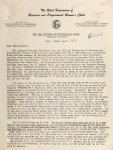
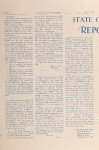
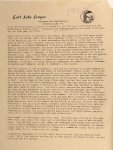
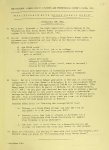
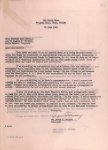
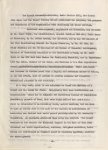
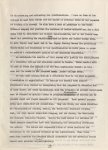
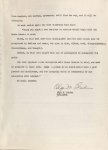
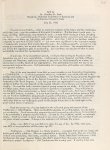
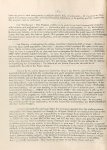
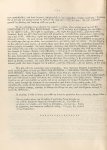
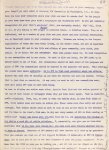
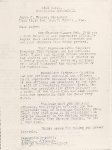
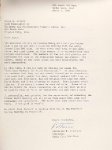
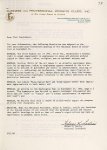
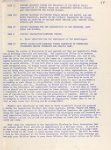
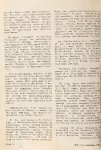
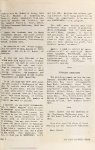
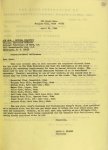
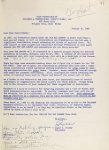
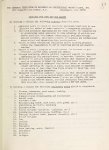
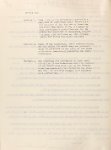
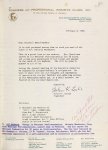
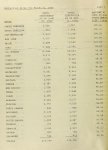
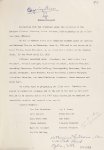
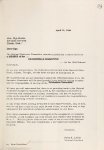
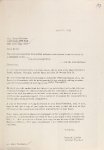
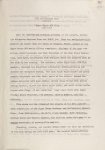
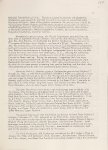
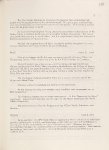
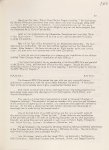
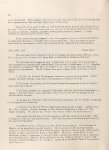
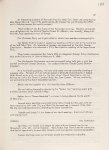
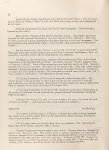
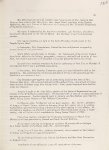
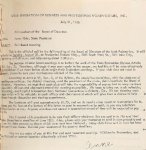
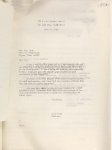
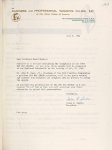
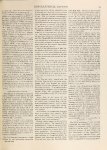
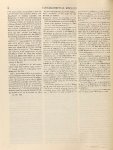
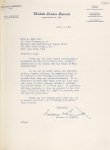
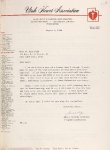
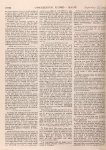
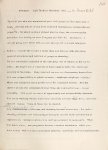
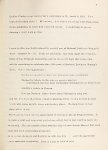
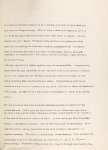
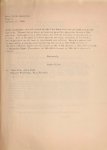
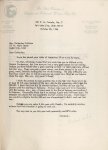
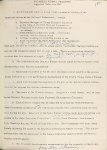
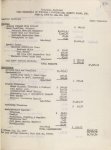
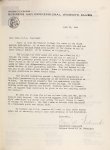
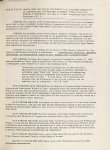
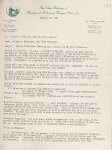
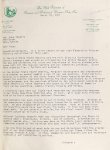
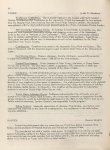
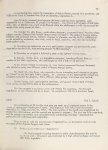
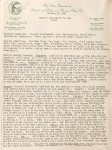
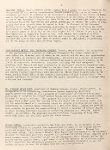
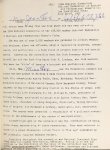
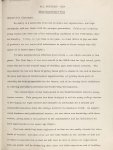
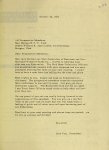
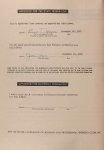
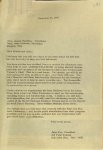
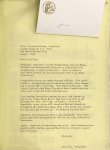
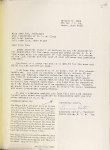
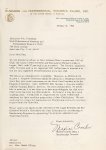
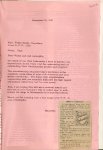
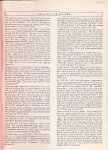
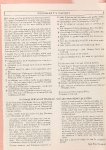
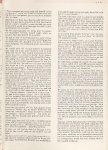
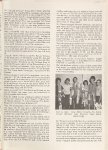
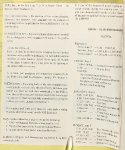
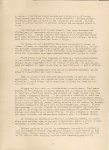
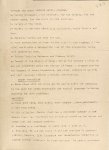
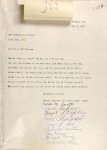
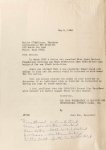
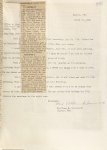
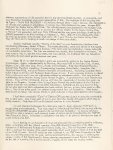
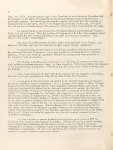
Show CONGRESSIONAL RECORD 2 conclusive evidence of the great need to protect women against discrimination in employment. I.-Average earnings of workers, 1964 ( median wage or salary incomes) TABLE A. YEAR-ROUND FULL-TIME WORKERS WORKERS ALL (INCLUDING en ================== $4, 285 2,674 PART 1 $5,8531 47. H.-Average education of persons in labor force, 1965 Nonwhite White ,n ::::::: ::: ::::::::: I . 12.2 12.3 I 10.0 11.1 IlL-Unemployment rates, April 1966 Nonwhite White :;,,;::: ::::::::::::::: J Percent 2.9 4.1 erence, publishers ings to indtcate that some occupations In such I the Com Percent 5.9 7.7 The EEOC has a legal and moral duty to take positive and vigorous action to encourage employers, employment agen cies, and unions to eliminate practices which discriminate against women in A positive approach is es pecially important to Negro women since to respect with 704 (b) Clearing It is a VII to specify of violation included 704(b) of Title 'colored' or 'white' in one my judgment intellectually dishonest. There is not the slightest justification in the statute for the EEOC's twisting Nor is there the slightest and distortion. basis legislative history of the the in the law. Section 704(b) of title VII explicitly states: or ... to print or employment prac publish ... any notice advertisement relating to employment ... indicating any preference, limitation, specifi cation, or disorimination, based on race, re ligion, sex, or national origin. But the Commission's new "guideline," published in the Federal Register of April 28, 1966-31 F.R. 6414-simply ig nores this congressional directive, and interprets women's rights out of the law's protection. The new EEOC "guideline" says: 222-168-3703 difficulty seeing how ad headings of "male" prohibitions clear of section 704(b). The statement in your Commission's new policy guidelines that "some occupations are considered more attractive to persons of one sex than the other" encourages, I think, prac tices which inconsistent with the basic are nondiscrimination am . labeled by sex of the statute. policy convinced that advertising in I columns (or other prohibited types of specifioation, such as race, etc.) is most per nicious because it reinforces prejudicial atti tudes limiting to the less rewarded women and less rewarding types of work. I shall appreciate your early response on tions In fact, the language of section 704(b) is very clear, as the EEOC recognized, when it very promptly an nounced in August 1965 that racially for When I saw the EEOC's sex advertis CONGRESS OF THE UNITED STATES, HOUSE OF Washington, D.O., May 19, 1966. Dr. LUTHER HOLCOMB, Acting Chairman, Equal Employment Oppor tunity Oommission, 1800 G Street NW., Washington, D.O. I note in the Federal Register of April 28, 1966 (31 F.R. 6414) your Commission has issued new policy guide permit lines to 1964 Civil advertisers Rights Act to covered "place by the advertise ments for jobs open to both sexes in columns by publishers under 'Male' or 'Female' headings to indicate that some oc classified cupations considered more attractive to are persons of one I would this new sex than the other." appreciate your advising me how ruling can be reconciled with the specific prohibitions in section 704(b) of the Civil RIghts Act of 1964, which provides: "It shall be tree for an ... unfawrut employment prac employer . . . to guideline columns headed "male" and "female". Sincerely yours, MARTHA W. GRIFFITHS, Member Of Ccmgress. The Acting Chairman of the EEOC, Mr. Luther Holcomb, wrote the Commis sion's reply to me on June 1, 19,66. His response in my judgment disregards both the law and the inconsistencies which REPRESENTATIVES, DEAR DR. HOLCOMB: new advertisements in your Commission's authorizing job separate job ads violate the prohibitions that It shall be an unlawful tice prohibited by the statute, against women. the opposite. terpreting the advertising provision of as both the legal basis and the policy justifica ing guideline, I wrote to the Commission O'n May 19, 1966, as follows: sued its "guideline" of April 22, 1966, in I sex. law for permitting such discrimination the highest unemployment rate and the contempt for women's rights when it is denoting for words you will agree that advertisements un "remale" could be in compliance with the very ly the opposite when applied to sex. This is a legal schizophrenia which has no of title VII. However, the Commission is doing just It reached the peak of or thing in ethics, and is in denoting race or religion are vertisements under the when applied to race or color, but exact or advertisement would pass the and therefore I have lists. meaning as Thus, der the heading "white" or "Negro" or "Prot prets the identical words of section 704 of the law intent to discriminate. estants" would be help they are victims of both race discrimina tion and sex discrimination, and have lowest average earnings. sume Unbelievable as it is, the EEOC inter (b) whether substituted permit ads for help to be racially separated in an muster if words Guide, EEOC, page 7354: Sec. by compliance with section 704(b) by examin ing race. Practices Employment House ... statute the Commission'.s guideline can be tested for 1965-Commerce 18, August of " tive of whether such advertisement is moti vated Here is what they said in an announce ment discrhni_ or color, religion, sex, or (I.e., race, color, religion, sex, or national origin), and irrespec_ interpretation of the very same words of section race, on of the five bases is involved advertising is sex indicating any pref limitation, specincatton, tion, or discrimination, irrespective of which used by publishers. on advertisement relat or ... prohibits any advertisement indicating a preference, limitation, specifica The only the advertising employer and not headings covered the cases any notice national origin are consider win . nation, based considered more attractive to persons of one than the other. . . ing to employment in columns classmed by under "Male" or "Female" head basis in the law Source: U.S. Department of Labor, Bureau of Labor Statistics: Special labor force reports. employment. sexes wanted ads or to Years Source: U.S. Department of Labor, Bureau of Labor Statistics: Special labor force reports. TABLE lish totally different from the Commission's TIME) $3,426 1,652 2,841 Years Rights Act place advertisements for jobs This guideline Source: U.S. Department of Commerce, Bureau of the Census: Current Population Reports, series P-60, No. TABLE open to both of 4971 may mission Nonwhite $6, 3,859 B. 1964 sex I White Advertdsers covered by the Civil of print or pub- It rejects the basic pur riddle his letter. pose of the law to prohtbit sex descrimi nation in employment. It is filled with naive assumptions and superficial think ing. Here is the text of Mr. Holcomb's let ter: EQUAL EMPLOYMENT OPPORTUNITY COMMISSION, Washington, D.O., June 1,1966. Hon. MARTHA W. GRIFFITHS, House Of Bepresetitatives, Washington, D.O. DEAR MRS. GRIFFITHS: Thank you for your May 19 letter, affording US your thoughts on sex the recent revision of the Commission's guidelines in the area of job opportunities advertising. You ask how section 1604.4, as amended, of our guidelines can be reconciled with sec- |