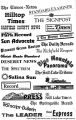
| Show UTAH PRESS ASSOCIATION decision made in 1930 to relieve unemployment through road construction resulted in 632 miles being surfaced with oil treatment during 1931-32 the all-time record for such con struction in Utah history In 1933 the Federal government expanded its highway program offering to cover 74 of costs if counties committed to the remaining 26 It not only providedway Utahunemployed could get back onpayroll the statenewspapers asserted but enabled that to happen atcost affordable to almost all county governments Preference in employment was given men with families and as much as possible hand labor and work with teams of horses was stipu lated since extensive use of machines would have meant fewer laborers would be needed Less emphasis was placed on finding jobs for men through highway construction as other programs emerged from the New Deal administration of President Franklin Roosevelt But road-building played an important part in combatting unemployment throughout the decade of the 1930s and into the beginning of World War II selective service which quickly diminished the ranks of those without work The threat of war heightened road construction and improvement as well Designated arteries vital to military needs 067 miles of roads were improved to military standards in 1941-42 Changing times tended to alter the need for newspapers to editorialize on transportation links considered vital to their areas But the expression of opinion on routing of key roads continued And with the advent of freeways newspapers again assumed their argumentative postures in debating how their communities would be reached by the new roads and where exits and accesses would be located Few of the statepapers in communities fronting on Interstate 15 or I-80 werenac tively involved in such debates The solutions they proposed or the counter-arguments they provoked were essential to construction of arteries best suited to serve the geographical areas the freeways penetrated While Utahnewspapers were certainly not solely responsible for the early highway extensions they were campaigning heavily and in most cases in good faith for the roads 286 Digital image 2005 Marriott Library University of Utah Al rights reserved |