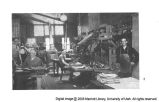
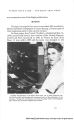
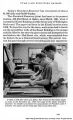
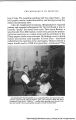
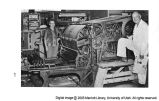
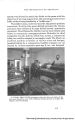
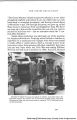
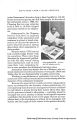
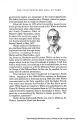
| Show THE OFFSET REVOLUTION composing unit for display and headlines Called the ProType it made onlyminor dent in the market The company which would lead the way in type production Compugraphic travelled an entirely different route in the development of its machines which in no way resembled the hot metal versions saw the Compugraphic 2961 in operation atconvention in Cincinnati in 1968 one publisher reminisced was so impressedsignedcontract to buy one Then chickened out becausethought there must belot of problems to be ironed out in something so revolutionary year later after the very first production models had proved to be totally dependable we had both2961 and the newer 4961 operating in our plant With the problems of typesetting and presses both solved it was onlyshort time before Utah papers followed one another in converting Soon those still letterpress were the minority then the rarity As happened in most letterpress-to-offset conversions the staff of the Uintah Basin Standard thought all bases were cov ered Ashby remembers Layout and paste-up tables were in place hand-held waxers and scissors were ready to go Heads and ad composition remained on the Linotype with the hotlead output proofed on enamel stock for paste-up That theory was sound Ashby reminisces but we found it was very time consuming and the quality was something less than desired The straight matter typewriter arrangement which required typing material twice to justify was quickly replaced with Justowriters Pictures though proved to be our worst experience The first edition came off the press with half of the photos so dark you could hardly see any detail To pacify our readers we re-ranfew of the worst ones Within weeks though our product moved nearer the quality we wanted The stateless-than-daily papers followed one of two procedures for printing presses Many began with and still do utilize plants operated by others Some jointly owned plants 233 Digital image 2005 Marriott Library University of Utah Al rights reserved |