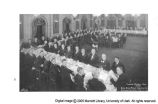
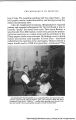
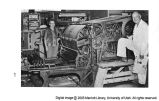
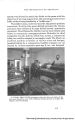
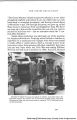
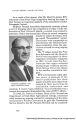
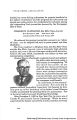
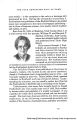
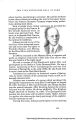
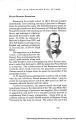
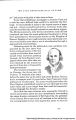
| Show THE OFFSET REVOLUTION papers had ever experienced it was still slower than the high speeds achieved with letterpress by larger papers For that reason the offset revolt in Utah just as it did across the nation developed in smaller plants rather than metropolitan dailies It was by no means an uninterrupted groundswell Most publishers took wait and see position allowing more adventurous pioneers to experiment Those long attuned to Linotypes and sheet-fed cylinder presses argued that the cost factor negated any gains they might experience from the change They contended that setting hot type on machines theylong since paid for required only occasional purchases of lead which could be re-melted an unlimited number of times Cold type on the other hand demanded not only an up-front equipment investment but constant purchases of tapes and photographic elements which were used only once Nevertheless by the early 60s Utahcommunity journalists had read and heard enough proand conto want expert advice Several of them were in attendance atWestern States Graphic Arts educational seminar at Hotel Newhouse in October 1961 where thought-provoking statistics were cited Michael Bruno research director for the Lithographic Technical Foundation told the audience numbering more than 150 that about000 weekly newspapers are being printed on offset presses and 500 more are expected to convert in 1962 Additional stimulus toward offset came from Staley McBrayer publisher of the Arlington Texas Daily News Texan who occupiedfeatured position on the association1962 Winter Convention program He contended his plant was composing full pages for as little as and production savings of 25 or more had been experienced with the new process The concept had swept through central Texas with sufficient emphasis McBrayer said that 15 smaller weeklies and semiweeklies along with four dailies were coming off the 4-unit Vanguard V-15 press in his plant 227 Digital image 2005 Marriott Library University of Utah Al rights reserved |