| OCR Text |
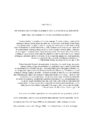
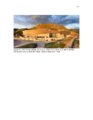
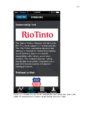
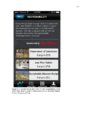
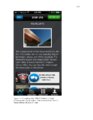
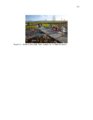
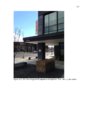
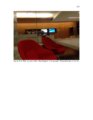
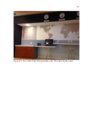
Show 348 from performing rhetorical and argumentative agency. If we are serious about critical issues facing the planet, then how is it possible to fully understand debates, recalcitrances, and rhetorical decisions from a humanist standpoint if the very possibility of nonhuman actors is excluded from the rhetorical situation? Future Becomings: What Is There to Be Done in an Age of Corporate Subjectivity? It has become evident that we are in a new age of communication where the human subject is no longer the principal rhetorical actor of our time, and if we are to ever understand this new communicative moment, and our human role in it, then it is imperative to continue poststructuralisms and further displace the capricious idea of the human subject. It must be realized that there is much to be learned about the world in which we live from the corporate subject. Taking the "corporate personhood" thesis seriously requires a critical reorientation of rhetoric, reason, and subjectivity, which starts by jettisoning humanist ideals and realizing possibilities for difference during this pivotal moment in communication. Although this cartography must come to a close, it is clear that what is to be done is simply more work. With so many lessons from our superior corporate subject, how might we approach future becomings? I propose three areas of future research. First, future research may entail questions concerning how corporate subjects achieve epistemic authority and expertise on what Endres (2009) calls "public scientific arguments" regarding environmental topics such as clean air, global warming, and toxic-waste management. While writing about how Rio Tinto secures citizenship in Salt Lake City, I became interested in how corporations accomplish expertise in areas of pollution politics, |