| OCR Text |
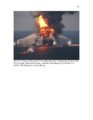
Show 340 the global warming debate. Although the International Panel on Climate Change (IPCC) has produced their fifth, and most substantive, assessment report on the global warming thesis, with substantive, field-dependent arguments, the USFG has still failed to pass substantial climate policy. From an argumentative standpoint that assumes humans are the primary actors in this debate, and that the involved subjects are all rational beings, conclusions are simple: the public sphere has failed, once again, to make a reasonable decision. Despite compelling evidence from the international scientific community that global warming poses perilous risks to the future of the planet, publics have refused the data, contending that global warming is a belief rather than a scientific fact. From the perspective that assumes corporations are subjects, and that subjects are not defined by their capacity to reason but by their networked relations, however, neo-argumentation critics would take an entirely different approach that accounts for the ways corporations politically engage the issue through the force of their networks rather than the substance of their content. Corporate entities such as Koch Industries, the Heartland Foundation, and Exxon Mobil simply have more networks, and more argumentative force, than the IPCC or public climate advocates. This reconstruction of argumentation nearly collapses argumentation with rhetoric since both are defined by the force of their relations rather than the resonance of their meaning; however, argumentation is still unique because it specifically addresses the way controversies are created, resolved, or negotiated. Chapter 5 demonstrated the uses of this reconstructed conceptualization of argument by tracing how BP's argumentative forces, such as logos, advertisements, and even music, competed with public image events for the most forceful network on public screens. This was an argumentative analysis because |