| OCR Text |
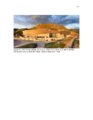
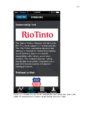
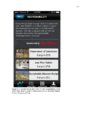
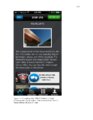
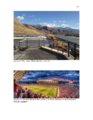
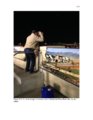
Show 190 mountain - inverted." Users can tap on a link that takes them to recent headlines about the 2013 landslide that halted production for nearly a year (Romero & Adams, 2013). According to the exploration trail, the landslide "reminded Kennecott Copper that this managed landscape remains unpredictable." The landslide was so large that it wiped out the Kennecott Utah Copper Mine Visitors Center, which is listed on the trail as a "related place." Copper is also key to green energy. On the Sustainability Trail, Stop 290 talks about the museum's alternative energy project and mentions that it has plans to install over 1,300 solar panels on the roof. "This project - one of the largest solar installations in Utah at time of install - is a demonstration of a unique public-private partnership that includes support from a wide variety of partners" (Sustainability Trail, Stop 290). This information is visually confirmed by the numerous solar panels that flank the northern and southern ends of the roof and help produce energy for the NHMU's electrical grid, and keep it sustainable and LEED certified. Also, on the nondigital Sky Terrace, there are a few signs that talk about Salt Lake City's air pollution problem. They discuss the science of the inversion effect, where cold air traps pollution in the valley due to the bowl-shaped geography of the landscape. The Sustainability Trail, the solar panels, and these patio signs all inform the visitor that Rio Tinto is part of the solution to air pollution, not the problem. Rio Tinto, after all, has decreased its mining emissions through an idle-free program, it funds loads of green technology in the valley, and it has developed sustainable land projects for entire suburban neighborhoods. So Rio Tinto is a sustainable corporate citizen-subject that cares about air pollution just as much as local visitors do. |